Table of Contents
This guide provides a practical overview of Basic Operations on Layers in Photoshop, including its main features, benefits, limitations, and important considerations.
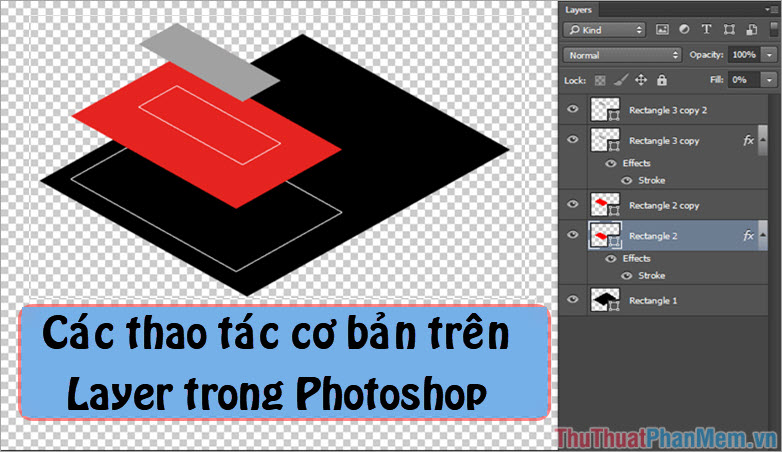
The following article, Thuthuatphanmem. vn will guide the manipulation on the Layer without damaging the original image. Please follow the article below!
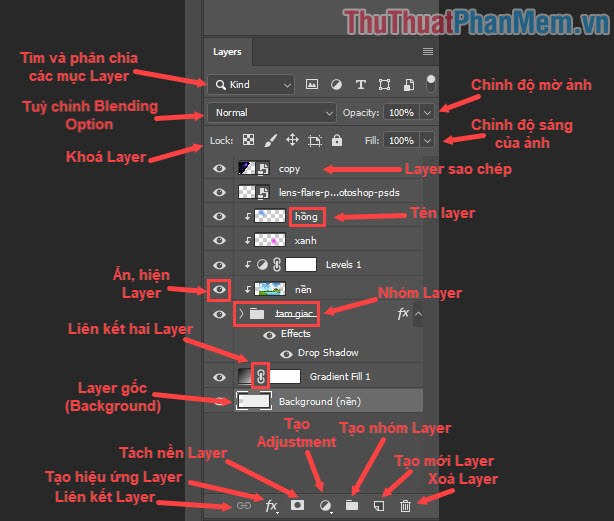
1. The basic functions of the Layer bar
The functions on the Layer toolbar are listed as shown below:
2. Create a new Layer
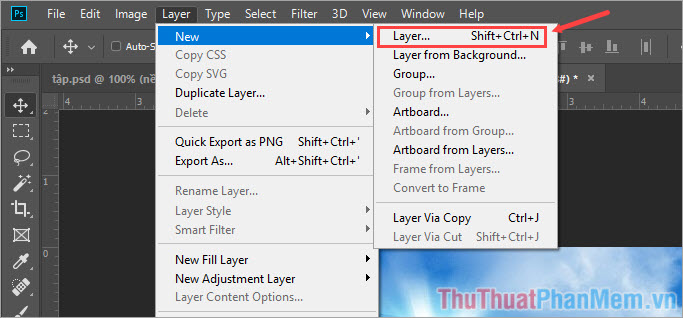
To create a new layer, you can manipulate in the following ways:
You go to the menu Layer => New => Layer or press the key combination Shift + Ctrl + N .
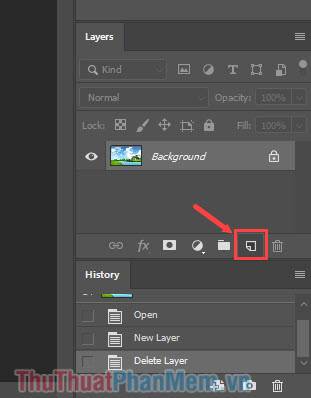
Or you can click on the white paper icon next to the Delete icon as shown below to create a new layer.
3. Copy a Layer (Duplicate Layer.)
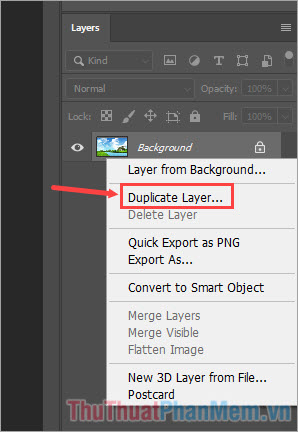
Step 1: To copy a layer , right-click on the layer to copy and select Duplicate Layer.
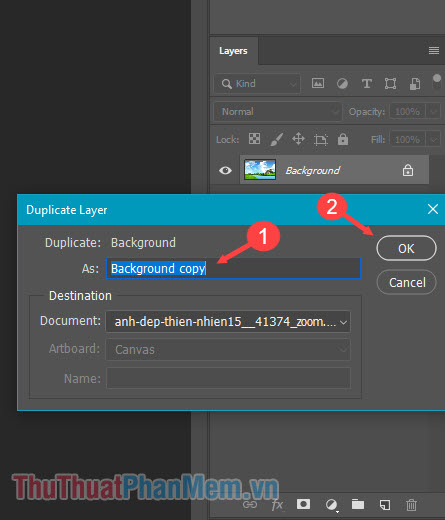
Step 2: The dialog box appears, you name the copied layer (1) and then click OK (2).
4. Group / Merge two or more layers into one.
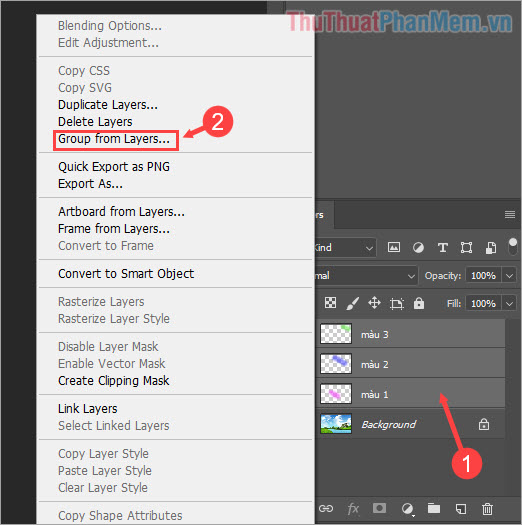
Step 1: To merge layers into a group, hold Shift and left click to select the layers to merge. Then right-click and choose Group from Layers.
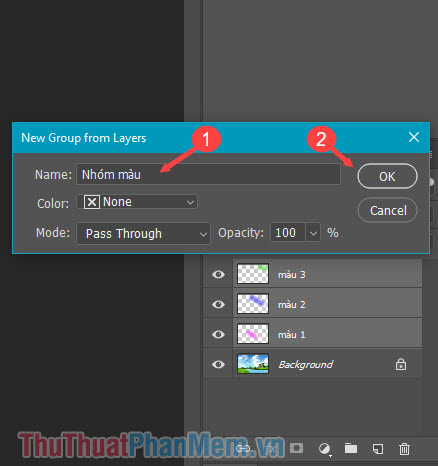
Step 2: Name the group in the Name box and then click OK to create the group.
5. Move the order on the Layer
You click and hold the left mouse button to the layer to move and move up and down arbitrary.
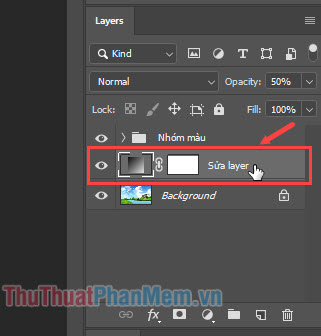
6. Delete a Layer
To delete a layer, click the layer to delete and then click the trash icon in the Layer toolbar or press the Delete key.
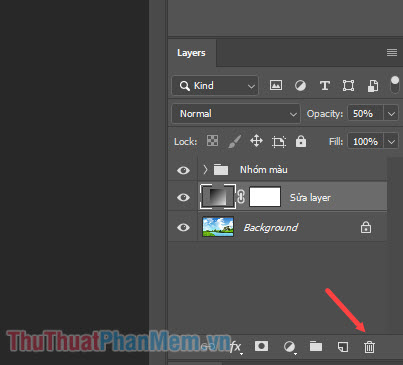
The article with instructions, basic operations on layers in Photoshop that beginners can get acquainted. Good luck!
FAQ
What should I know about Basic Operations on Layers in Photoshop?
Focus on the key features, requirements, limitations, and practical use cases explained in this guide.
How do I get the best results with Basic Operations on Layers in Photoshop?
Follow the recommended steps, use current software or information, confirm compatibility, and review settings before major changes.
Are there any risks or limitations?
Potential limitations depend on compatibility, data quality, cost, privacy, support, and how the product or method is used.
Related Articles
 minutes read
 How to Use Photoshop CS5 - Part 3: Introducing Layers8 minutes read
 3 Tips to Manage Layers in Photoshop5 minutes read
 How to Deselect an Area, Layer in Adobe Photoshop4 minutes read
 How to Combine Layers in Photoshop: Step-by-Step Guide7 minutes read
 How to Combine 2 or More Layers in Photoshop2 minutes read
Reader Comments 0
Sign in with email or Google to join the discussion.