Table of Contents
This guide explains how to turn Photos into Paintings Using Photoshop, with clear steps, practical tips, and important checks before you begin.
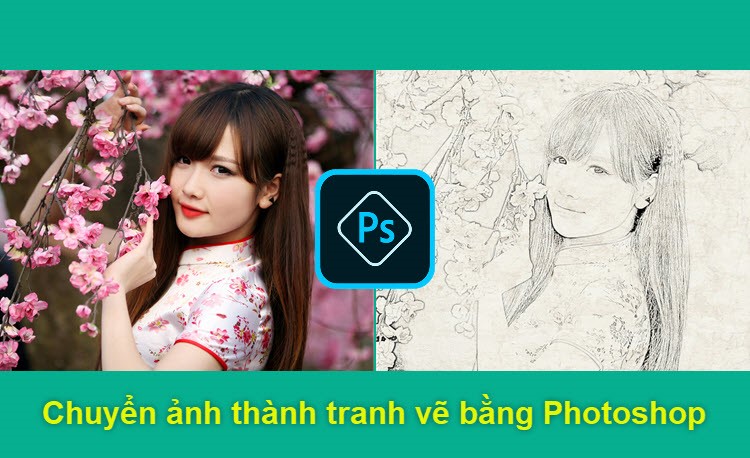
Step 1: Open the picture you need to turn into a picture by selecting File -> Open and then selecting the image in the folder.
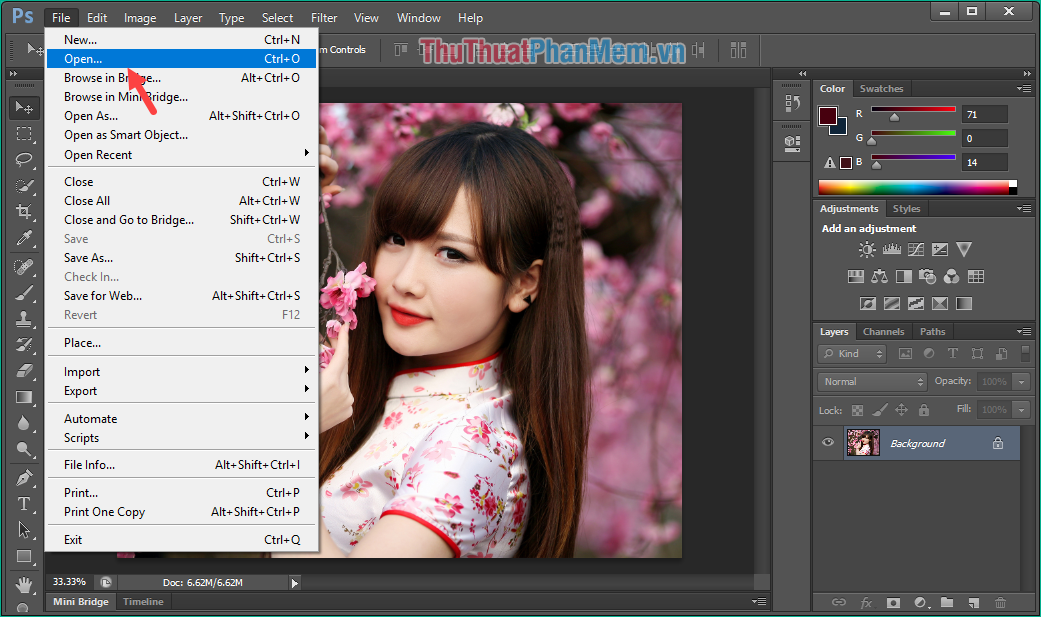
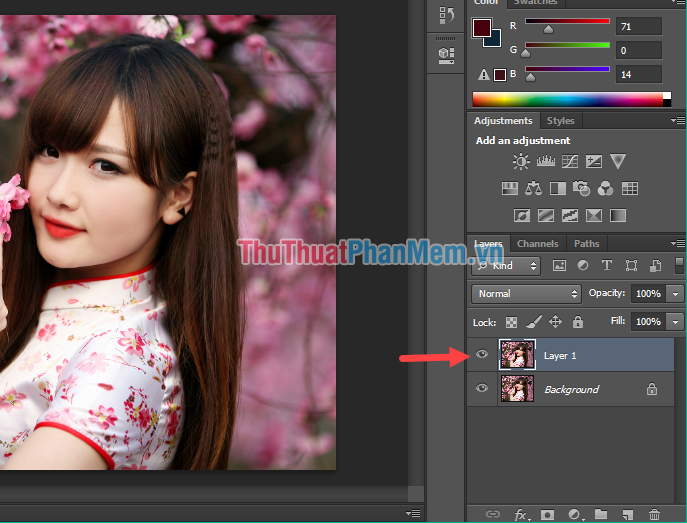
Step 2: Press Ctrl + J key to duplicate the original layer and we get a new layer named Layer 1 .
Step 3 : Choose Image -> Adjustments -> Desaturate or press Ctrl + Shift + U to turn the image into a black and white photo.
 / p>
/ p>
Step 4: Press Ctrl + J again to duplicate the layer and we will get a new layer called Layer 1 .

Step 5 : Select Image -> Adjustment -> Invert or press Ctrl + I to create a negative image.

Step 6: Right-click on Layer 1 copy and choose Convert to Smart Object to convert Layer 1 Copy into Smart Object, this will help the image from losing quality after applying the filters.
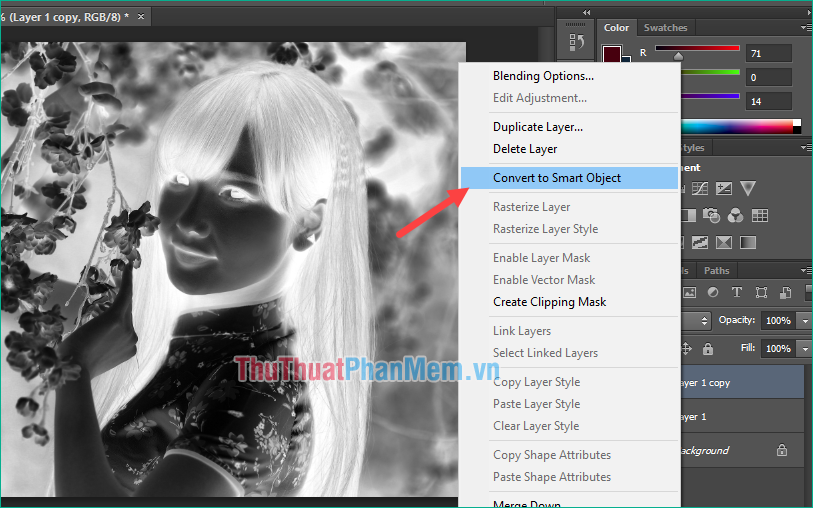
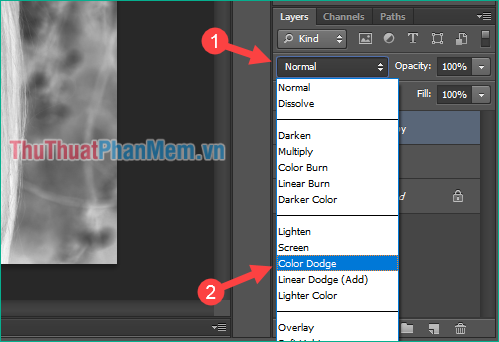
Step 7 : Change the color shift mode from Normal to Color Dodge , this time you will see the image as white.
Step 8: Select Filter -> Blur -> Gaussian Blur
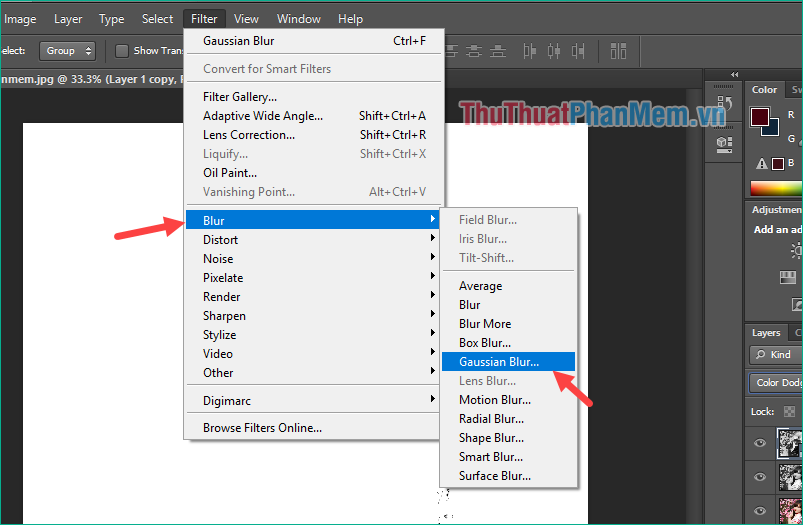
Step 9: Now you will see the picture has become clearer and similar to the picture painted by hand. Please adjust the Radius parameters in the following small window for clear image lines and not too fake. When you have satisfied you click OK .

Step 10: To make the image more realistic and like drawing on paper, find a picture of some paper. Press Ctrl + O to open up the paper image.
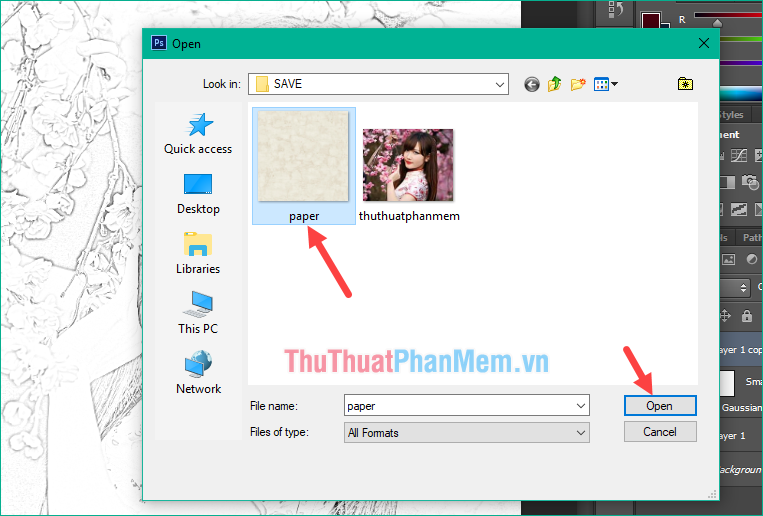
Step 11 : Use the Move tool and move the photo to the girl we are editing.
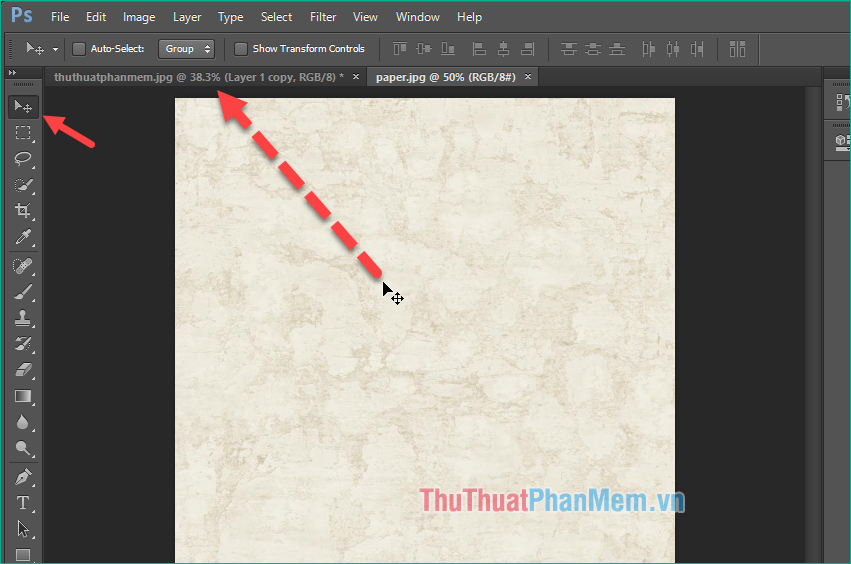
Step 12: Press Ctrl + T to resize the paper so that it covers the picture of the girl.
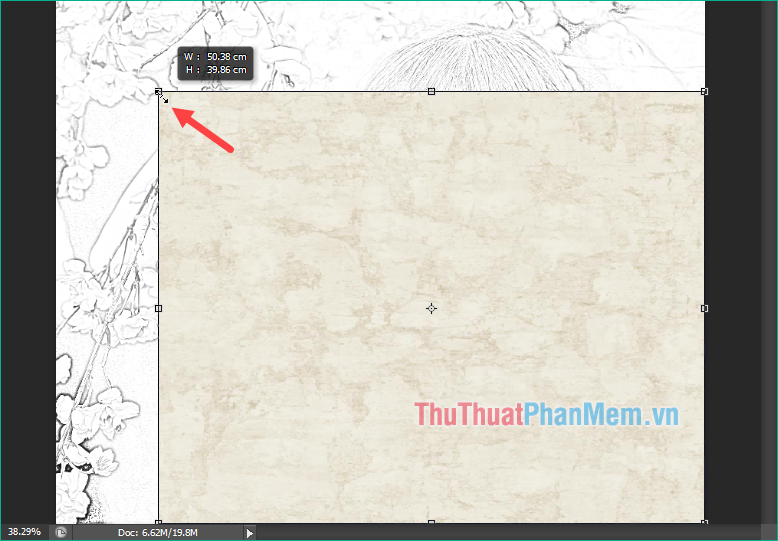
Step 13 : Change the color selection mode from Normal to Multiply.
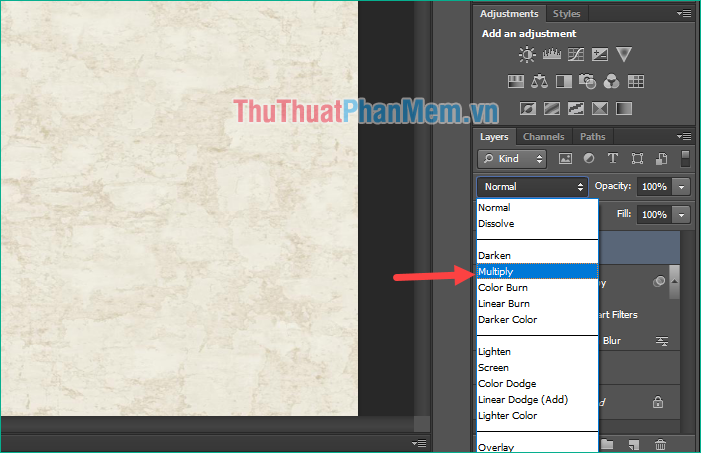
Step 14: Now you will see the image of the girl and the paper completely mixed together, adjust the Fill settings so that the selection is satisfactory.

Step 15 : Finally we press Ctrl + S to save the image.
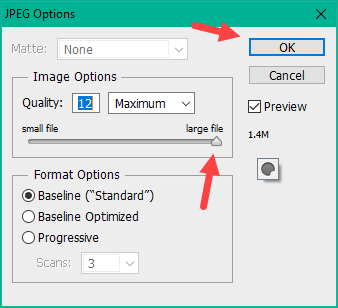
Here we save the image in JPEG format then name the image and click Save .

A small window appears, the quality section you just select Maximum to have the best image quality and click OK.
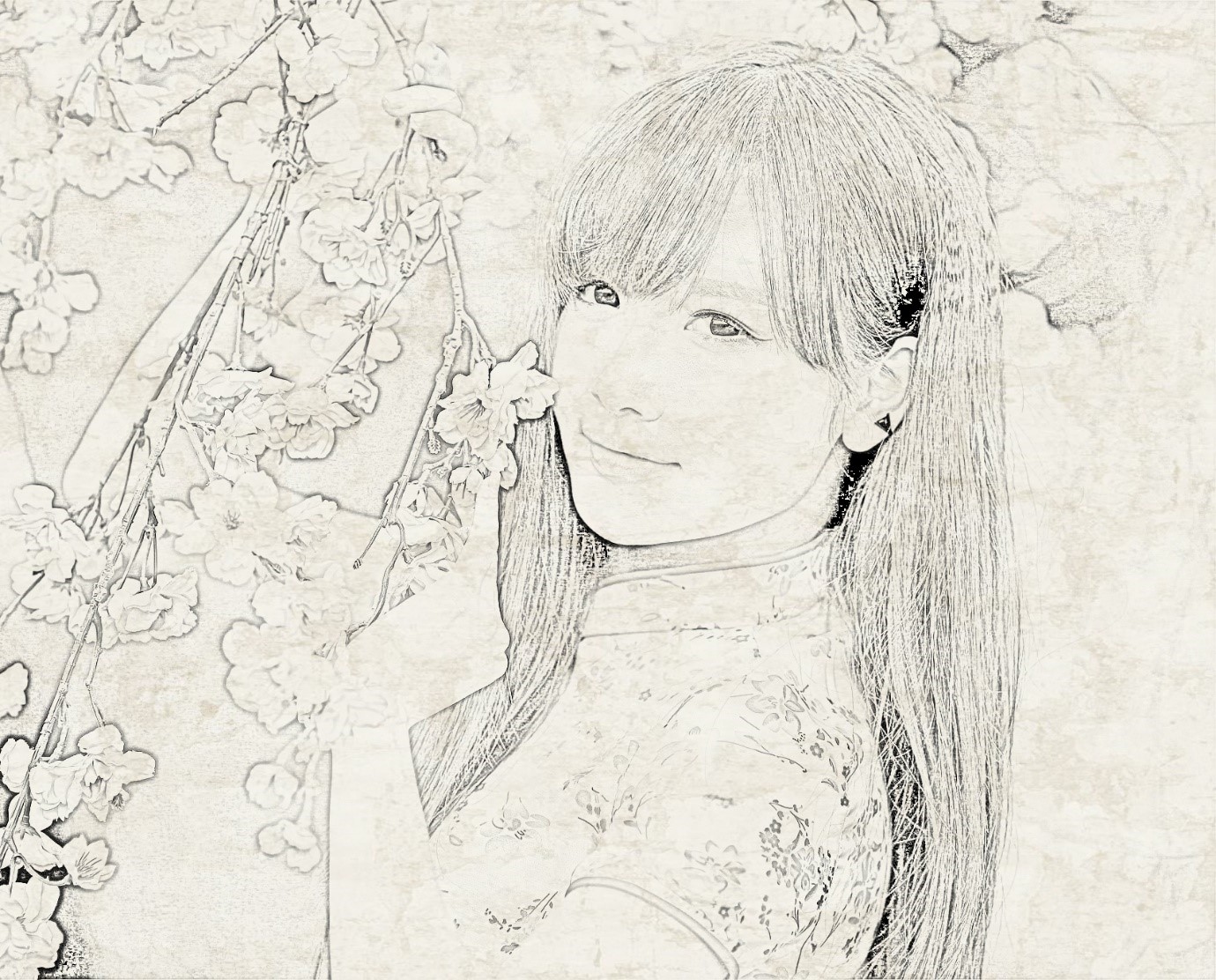
And here is our result after turning the shot into a picture:
Thank you for watching this article, wish you success!
FAQ
What should I know about Turn Photos into Paintings Using Photoshop?
Focus on the key features, requirements, limitations, and practical use cases explained in this guide.
How do I get the best results with Turn Photos into Paintings Using Photoshop?
Follow the recommended steps, use current software or information, confirm compatibility, and review settings before major changes.
Are there any risks or limitations?
Potential limitations depend on compatibility, data quality, cost, privacy, support, and how the product or method is used.
Related Articles
 How to Create Wall Paintings in Photoshop5 minutes read
 How to Use the Oil Paint Filter in Photoshop to Turn a Photo Into9 minutes read
 Looking at These Photos, Everyone Thinks They're Photos, Not Hand-drawn2 minutes read
 How to Turn Photos into Paintings on Photo2sketch3 minutes read
 Super Photos Will Make You Admire the Ability of Humans to Photoshop3 minutes read
 Top App to Turn Photos into Paintings on the Phone10 minutes read
Reader Comments 0
Sign in with email or Google to join the discussion.