Table of Contents
This guide provides a clear overview of turn off update windows 11, including how to Stop Updating Windows 11 Weekly, Stop Updating Windows 11 with Registry Editor. Use it to understand the topic, compare the available options, and make a more informed decision.
Windows 11 updates will not be forced on Windows 10 users at launch. If you want to check for Windows 11 updates, you need to go to 'Settings > Update & Security > Windows Update' manually.
But some users have enabled Windows' automatic updates feature. If you want to block this feature to free up Windows 1 disk space, we have effective solutions to stop Windows 11 automatic updates.
How to Stop Updating Windows 11 Weekly
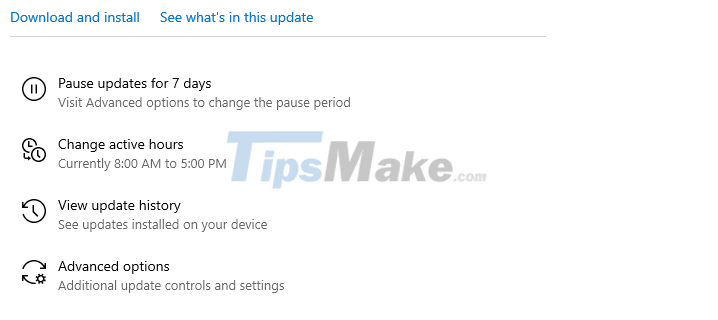
Simple weekly Windows 11 update stop that you can apply defer weekly updates
- Step 1: Click Start menu and select 'Settings'.
- Step 2: Select 'Update & Security' and click 'Pause updates for 7 days'.
What could be simpler than that? With only 2 steps you can pause automatic weekly updates. However, you also note that it will temporarily use updates for 7 days but will automatically turn back on when the deadline is over. So if you have a job or need to do something, remember to pay attention to the time.
Stop Updating Windows 11 with Registry Editor
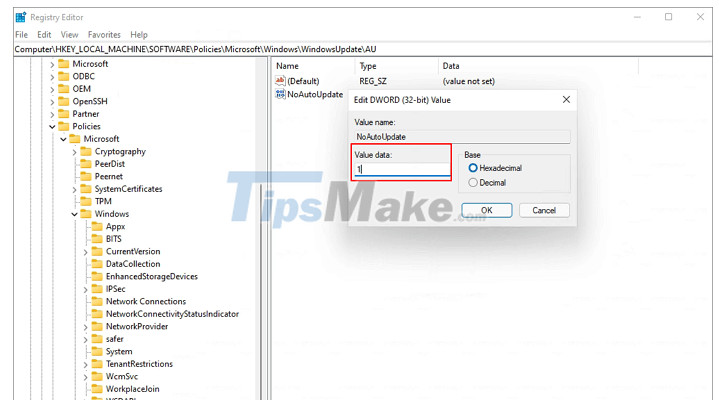
- Step 1: Press Win + R and type regedit.exe to open Registry Editor.
- Step 2: Go to 'HKEY_LOCAL_MACHINESOFTWAREPoliciesMicrosoftWindowsWindowsUpdate'.
- Step 3: Set the 'DWORD (32-bit)' value to 1.
If the value does not exist, right-click Windows Update and select New > Dword (32-bit) Value. Then set the value of TargetReleaseVersionInfo to 21H1.
Of course, the ways to do it with the tools available on Win are usually simple and you should also prioritize it because there is no need to mess with it, it is already available in the files of the machine.
Turn Off Automatic Windows Updates in Windows 11
One of the best methods to stop updating Windows using a computer is to turn off the Windows update services.
The steps are easy enough for beginners. And this is the way that you should prioritize above all because it is easy to do and there is no need to change the values or it will disappear after 1 week. You should also remember the sequence so that you can re-enable updates when needed.
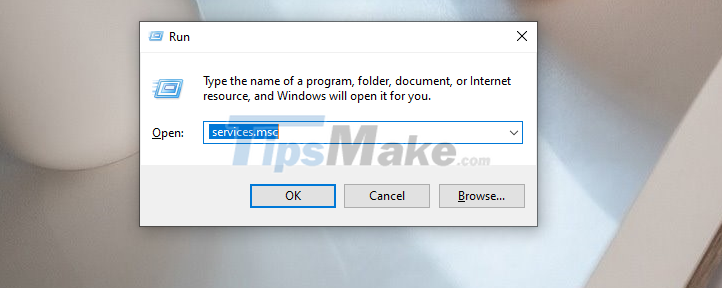
- Step 1: Press 'Window + R' to open the Run window.
- Step 2: Open the 'Service window' by typing services.msc and pressing the 'Enter' key.
- Step 3: Select 'Windows Update' from the 'Services' list, then click the 'Stop' button.
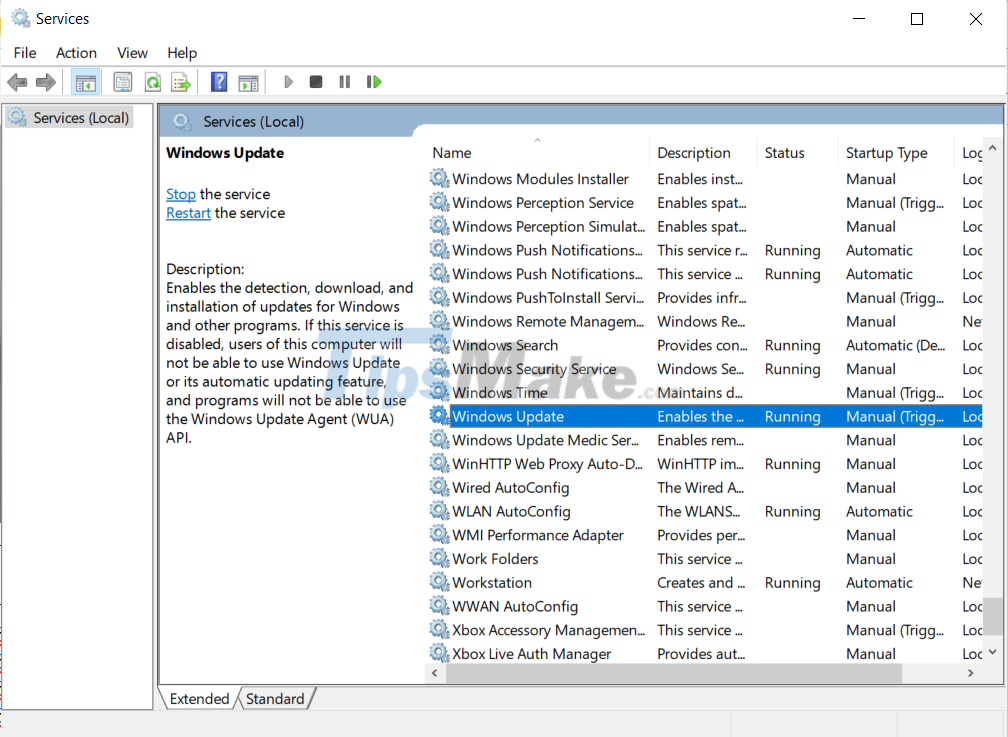
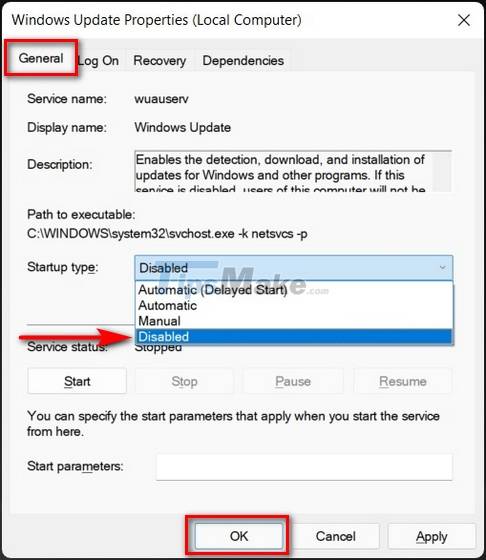
- Step 4: Once you have found 'Windows Update', right click and select the line 'Properties'
- Step 5: Click on 'General' tab to Change 'Startup Type' to 'Disabled'.
Stop Updating Windows 11 with Group Policy Editor
If you don't mind delaying your Windows 11 installation, you can disable Windows 11 updates using the Group Policy Editor.
Stop Windows 11 Updates Using the Group Policy Editor Group Policy Editor
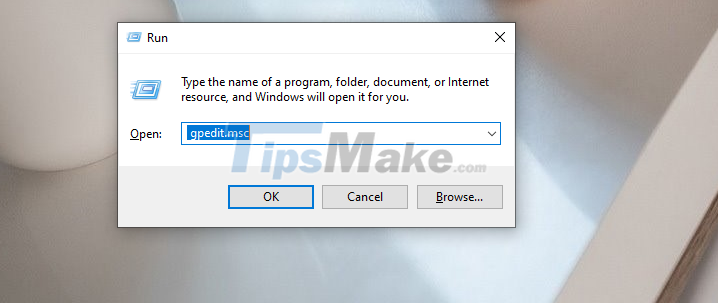
- Step 1. Press Win + R. Type gpedit.msc to load the Group Policy Editor.
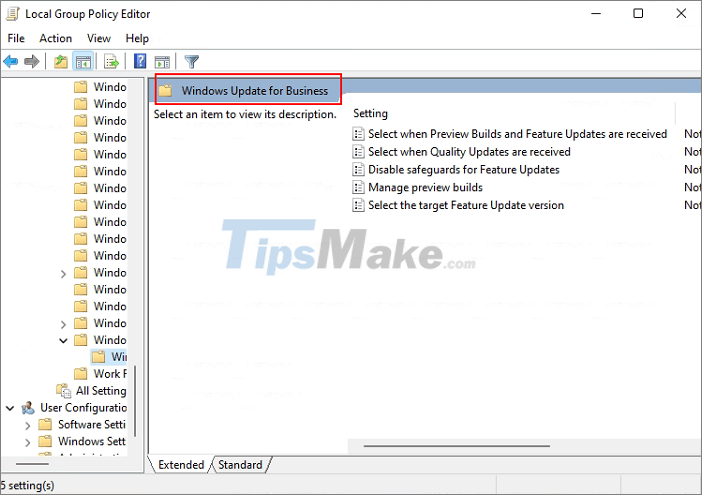
- Step 2. Navigate to 'Local Computer Policy > Computer Configuration > Administrative Templates > Windows Components > Windows Update > Windows Update for Business'.
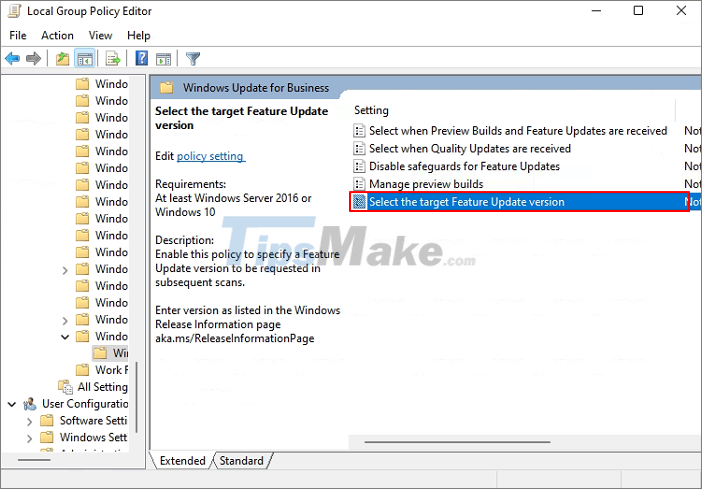
- Step 3. Double-click 'Select the target feature update version'.
- Step 4. Set the policy to 'Enabled', enter 21H1 in the field and close the Group Policy Editor.
Stop Updating Windows 11 with Third-Party Software
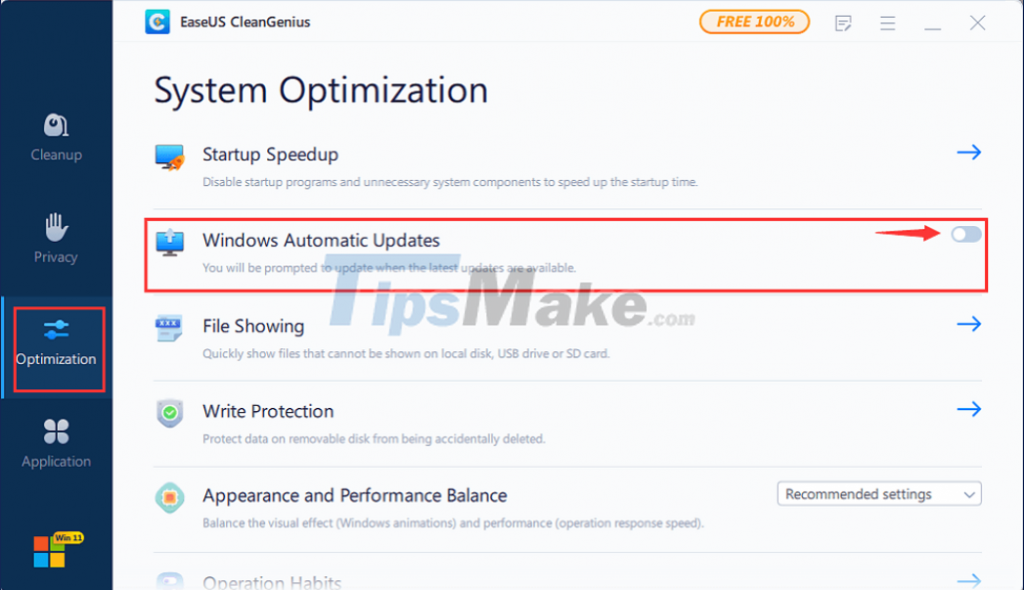
If you are looking for a way to stop Windows 11 updates, you can run a third-party software – EaseUS Clean Genius. With this tool, you can turn off automatic windows 11 updates permanently without losing time.
- Step 1: Download EaseUS CleanGenius for free here and install.
- Step 2: Launch EaseUS CleanGenius and go to 'Optimization'.
- Step 3: The tool will automatically detect the status of the Windows Update service. If Windows Update is currently enabled, click the switch to stop the service.
Step 4: If you want to check if you have turned off automatic services, go to 'Start' > type 'Services' > right click on 'Services' and select 'Run as administrator'.
Step 5: In the list of services, find and right-click 'Windows Update' > 'Properties'. In the 'Servie status' section you will see the service has been stopped.

Conclusion
Understanding Turn Off Update Windows 11 makes it easier to compare options, avoid common mistakes, and apply the information in this guide more effectively. Review the relevant requirements before making changes or choosing a solution.
FAQ
What is Turn Off Update Windows 11?
However, you also note that it will temporarily use updates for 7 days but will automatically turn back on when the deadline is over.
Why is Turn Off Update Windows 11 important?
Understanding Turn Off Update Windows 11 helps you evaluate features, compatibility, performance, and potential limitations before you choose a product or follow a procedure.
What should you consider when using or choosing Turn Off Update Windows 11?
Consider your specific goal, compatibility requirements, available features, cost, security, and the practical recommendations described in this guide.
Related Articles
 How to Turn Off Automatic iOS 26 Updates on iPhone: Step-by-Step Guide3 minutes read
 Turn Off the Win 10 Update, Stop Windows 10 from Updating9 minutes read
 Instructions to Turn Off the Automatic Update Mode on Windows 72 minutes read
 Instructions to Turn Off the Auto Update Feature on Windows 103 minutes read
 Why Shouldn't Auto-update Automatically Be Updated in6 minutes read
 6 Ways to Turn Off Win 10 Update Permanently Fastest 20249 minutes read
Reader Comments 0
Sign in with email or Google to join the discussion.