Table of Contents
This guide provides a practical overview of 4 Ways to Open WebP Images on Windows 10, including its main features, benefits, limitations, and important considerations.
View WebP photos right in Windows 10 with Windows Photo Viewer
Windows Photo Viewer classic in Windows 10 supports WebP. This means you can open WebP images with Windows Photo Viewer without installing any codecs or plugins. Right-click the WebP image file, click Open with , and then select Windows Photo Viewer to open the WebP image with Windows Photo Viewer.
However, it's worth noting that Windows Photo Viewer is disabled by default. You need to enable it. Refer to how to enable Windows Photo Viewer in Windows 10 for step-by-step instructions.

Use ImageGlass or 123 Photo Viewer to open WebP in Windows 10
If you do not want to enable and use Windows Photo Viewer to open WebP images, you can use 123 Photo Viewer available in Store or open source ImageGlass.
ImageGlass is probably the best free image viewer available for Windows 10. It supports over 70 image formats, including WebP. The user interface is quite neat.
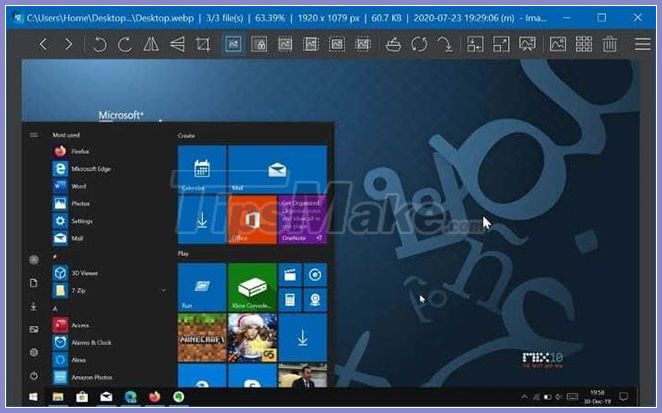
123 Photo Viewer, as the name implies, is an image viewer for Windows 10. In addition to other popular image formats, it also supports WebP formats. The user interface is not only great, but also functional. You can download this tool from the Windows 10 Store.
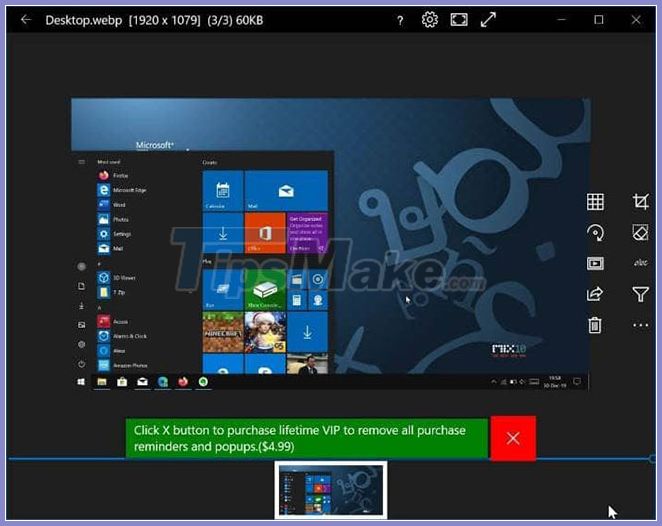
IrfanView is another popular image viewer with support for WebP.
Convert WebP to JPG or PNG, then open with Photos app
There is no way to open WebP pictures using the Photos app in Windows 10. However, there is a solution that can help open WebP pictures using this application. That's by converting WebP image files to JPG or PNG, which you can then open with the Photos app. Here's how to rename WebP to JPG or PNG:
Step 1 : Browse to the folder containing the WebP images. Click the View tab and then choose File name extensions to see file extensions for all files.

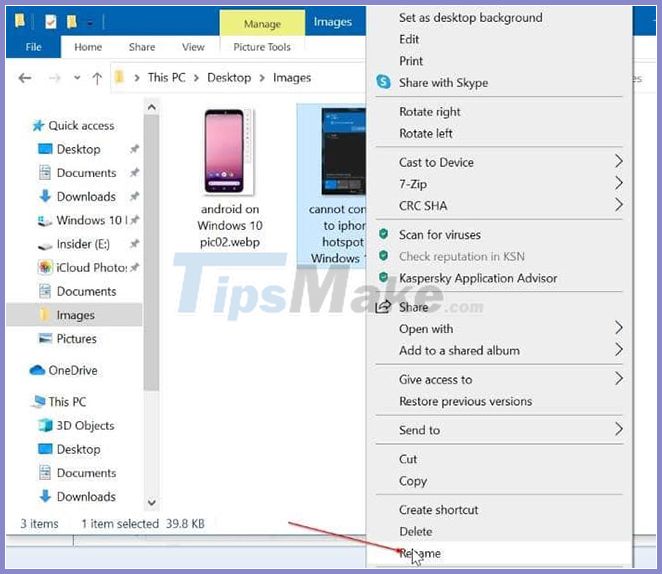
Step 2 : Right-click on the image file with the WebP extension and then click the Rename option. Or select the file and press F2.
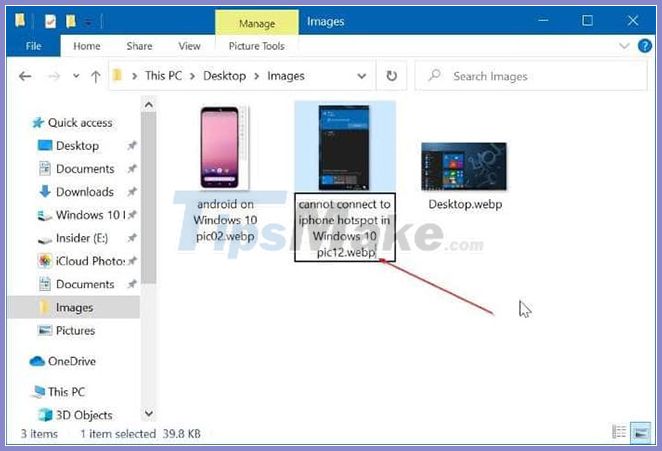
Step 3 : Now, change the WebP or webp extension (shown at the end of the filename) to JPG, JPEG or PNG. Press the Enter key to save.
Step 4 : Finally, right-click on the JPG or PNG file (which you just converted from WebP), click Open with , and then click the Photos app to open it with this app.
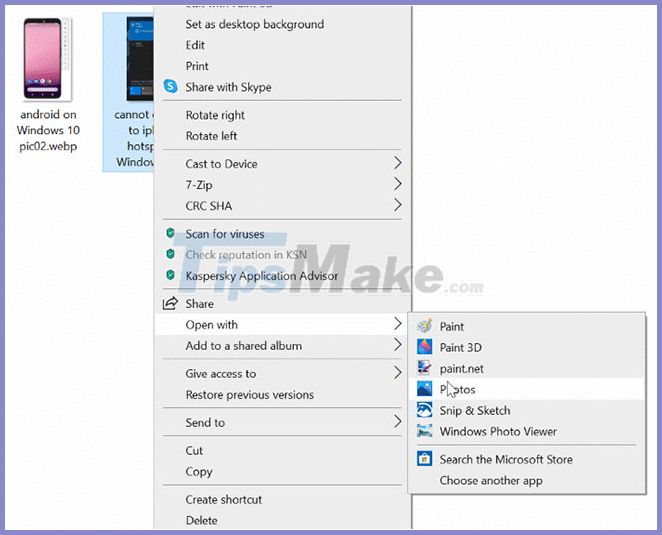
In addition to the Photos app, you can use any other photo viewer to view converted pictures.
Open the WebP image in Chrome, Edge, or Paint in Windows 10
You can use Chrome, Edge (Chromium-based Edge), or even Windows 10's built-in Paint program to open WebP images.
 Open the WebP image in Chrome, Edge, or Paint in Windows 10
If you don't mind installing a free program, we recommend using the ImageGlass program. In fact, if you regularly deal with WebP images, you can set ImageGlass as the default image viewer in Windows 10.
FAQ
What should I know about 4 Ways to Open WebP Images on Windows 10?
Focus on the key features, requirements, limitations, and practical use cases explained in this guide.
How do I get the best results with 4 Ways to Open WebP Images on Windows 10?
Follow the recommended steps, use current software or information, confirm compatibility, and review settings before major changes.
Are there any risks or limitations?
Potential limitations depend on compatibility, data quality, cost, privacy, support, and how the product or method is used.
Related Articles
 Everything You Need to Know About WebP Files - What Is a WebP File?5 minutes read
 How to Convert Webp Image to PNG, JPG on Chrome, Coc Coc9 minutes read
 Tricks to Save and Convert. Webp Images to JPG / PNG Quickly3 minutes read
 Google Chrome: Complete Guide: How to Prevent Google Chrome from Saving8 minutes read
 Windows 11 Will Soon Support the WEBP Wallpaper Format: Explained4 minutes read
 Learn About WEBP Image Format3 minutes read
Reader Comments 0
Sign in with email or Google to join the discussion.