Table of Contents
Some users are canceling paid ChatGPT plans or moving to another AI assistant. The online campaign is often called Cancel ChatGPT or QuitGPT, but there is no single reason behind it. The main concerns involve how AI companies work with governments, whether their public safeguards are credible, and whether competing products now better suit a user's needs.
This is a fast-moving subject. Contract terms, company policies, and model performance can change, so it is worth separating documented developments from speculation and comparing current product terms before making a decision.
Why the Cancel ChatGPT campaign gained attention
The campaign drew attention amid controversy over agreements to deploy commercial AI systems on classified U.S. government networks. Critics focused on the limits placed on uses such as large-scale domestic surveillance and fully autonomous weapons, and on whether AI providers could enforce those limits after deployment.
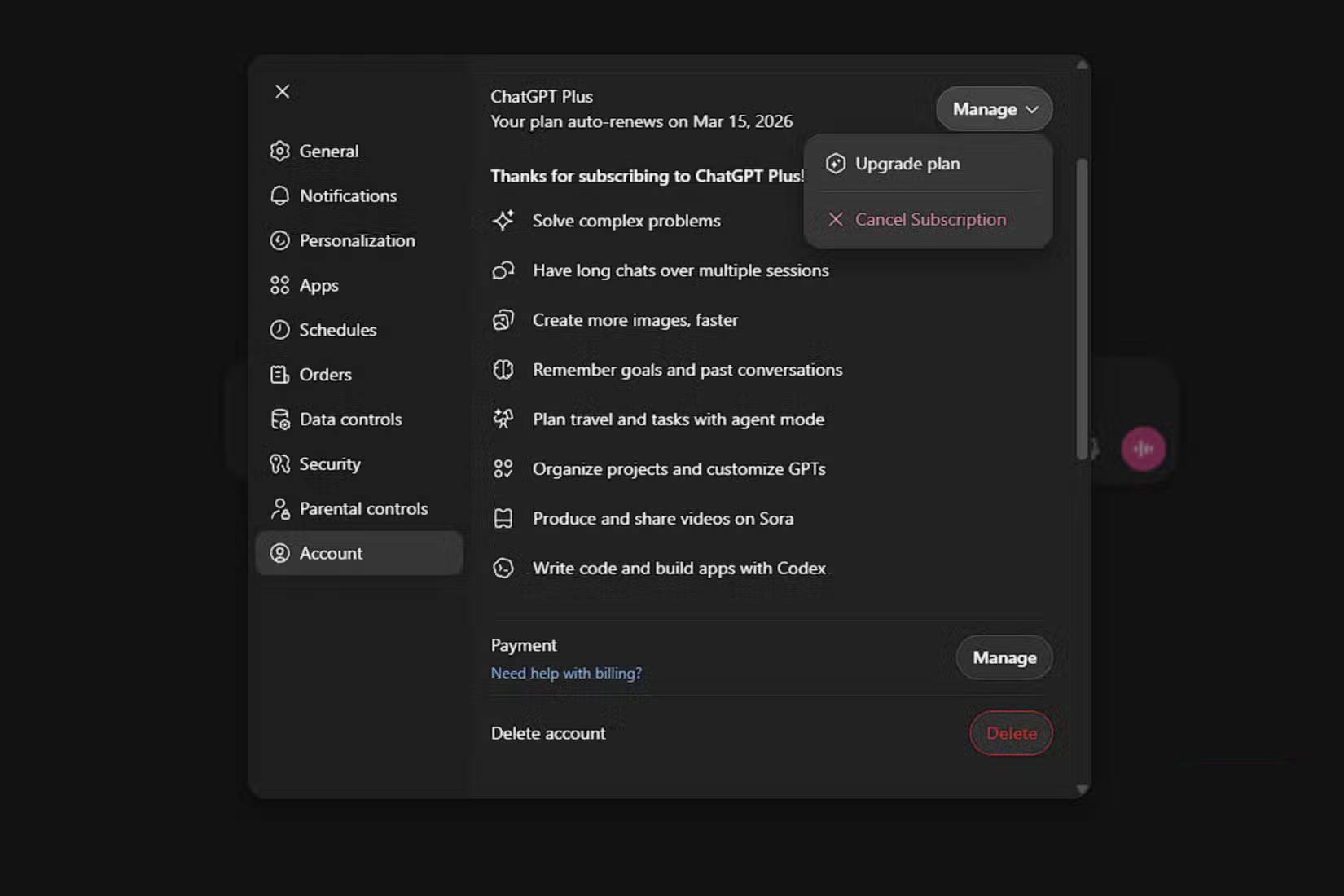
Anthropic publicly defended keeping restrictions on uses it considered unsafe or inconsistent with democratic values. OpenAI subsequently announced its own agreement with the U.S. Department of Defense. That sequence led some observers to question whether OpenAI had accepted broader terms than Anthropic.
The precise obligations of government contracts are not always visible to the public. Statements from a company, government officials, and news reports may also emphasize different parts of an agreement. For readers evaluating the dispute, the important questions are practical:
- Which uses does the written agreement prohibit?
- Can the AI provider technically or contractually enforce those restrictions?
- Who is accountable if the system is used outside the stated safeguards?
- Will either party publish changes to the agreement?
Trust in the company is part of the decision
For many people, the issue is broader than a single contract. They look at OpenAI's governance changes, its commercial priorities, and previous changes to internal safety work when deciding whether the company still reflects the values they expected.
That judgment is partly personal. A user may view government deployment as a legitimate use of AI while still wanting firm limits and transparent oversight. Another user may decide that any involvement in classified systems is incompatible with their preferences. The useful distinction is between an objection to defense work in general and an objection to particular applications or weak safeguards.
Competing assistants make switching easier
Leaving ChatGPT no longer means giving up access to a capable general-purpose AI assistant. Claude, Gemini, and other services compete in writing, coding, research, document analysis, and image-related tasks.
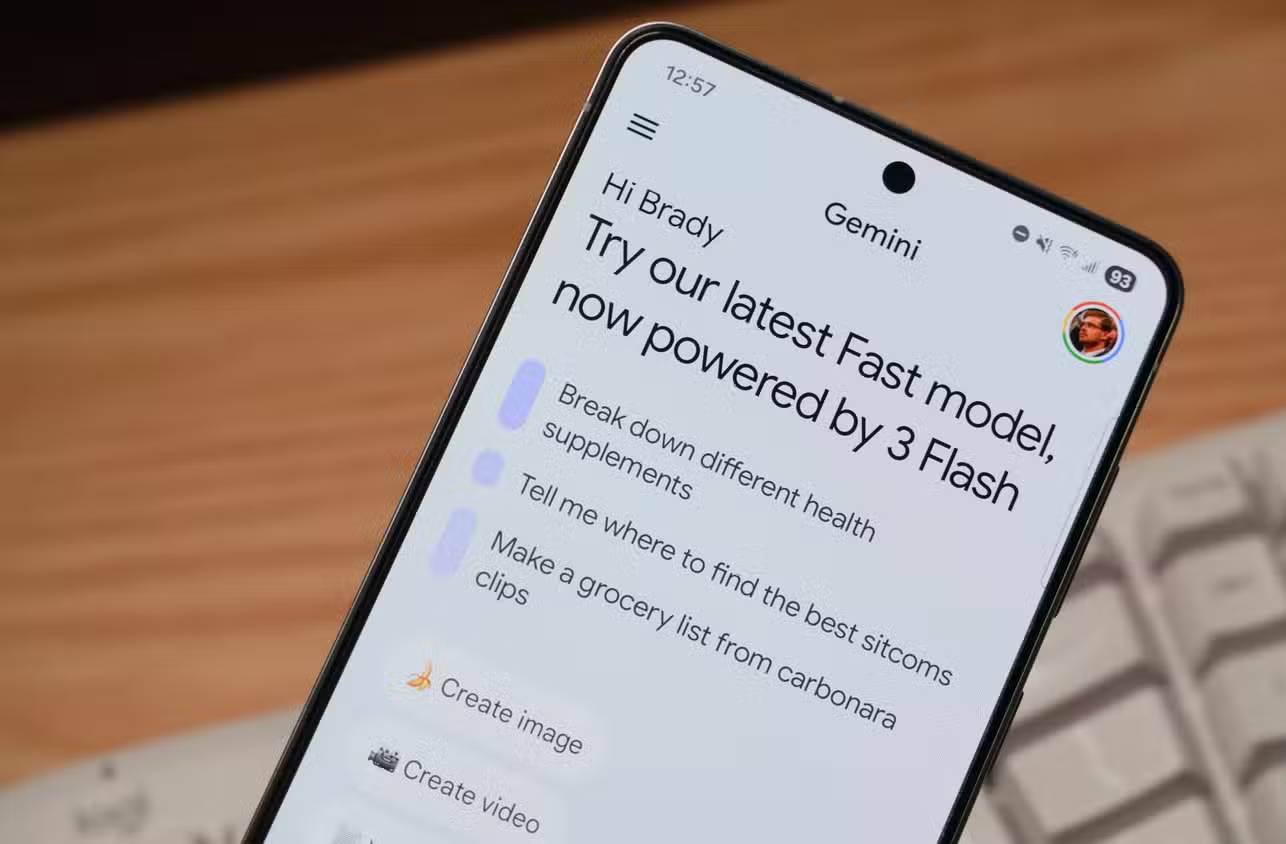
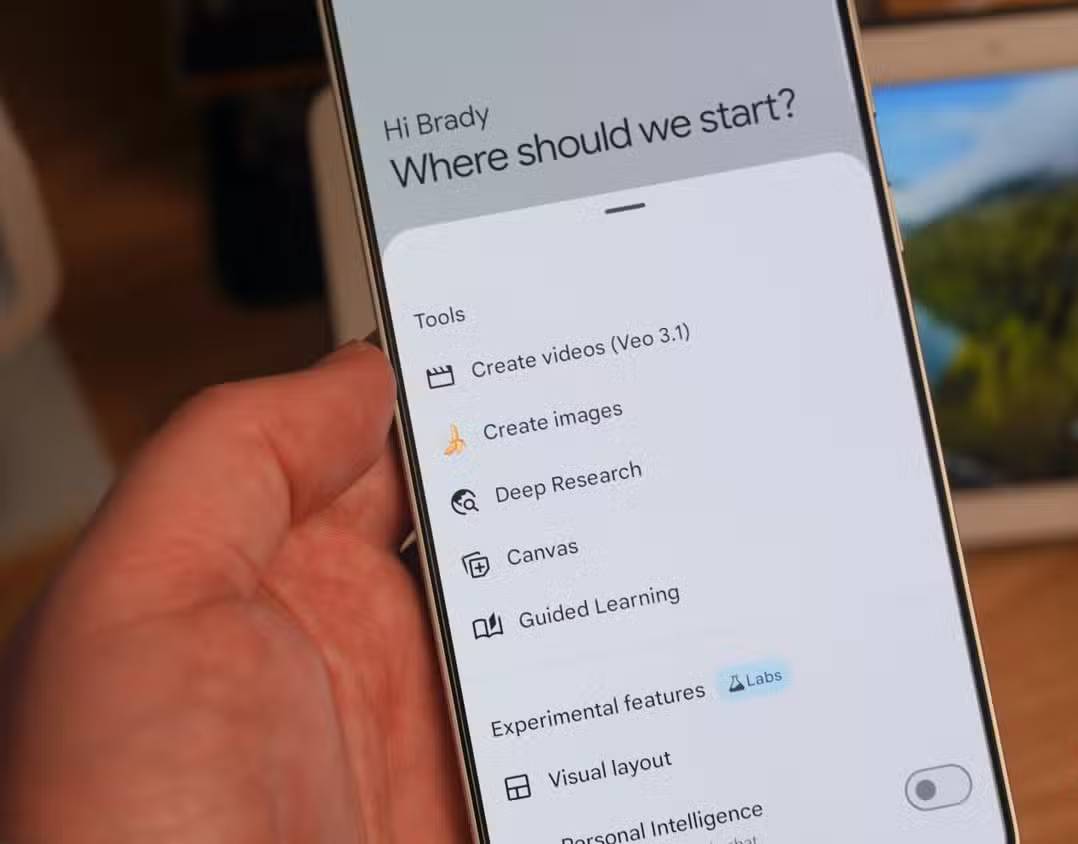
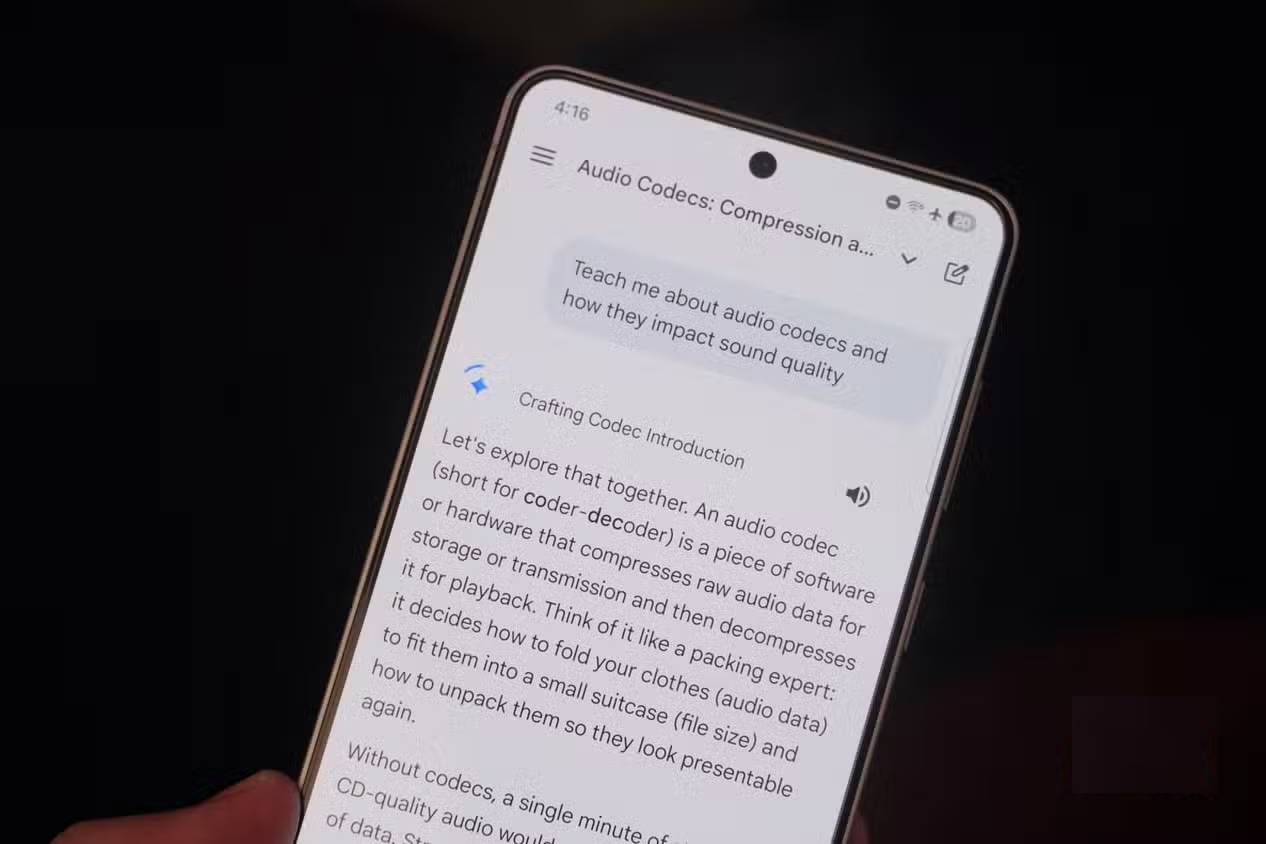
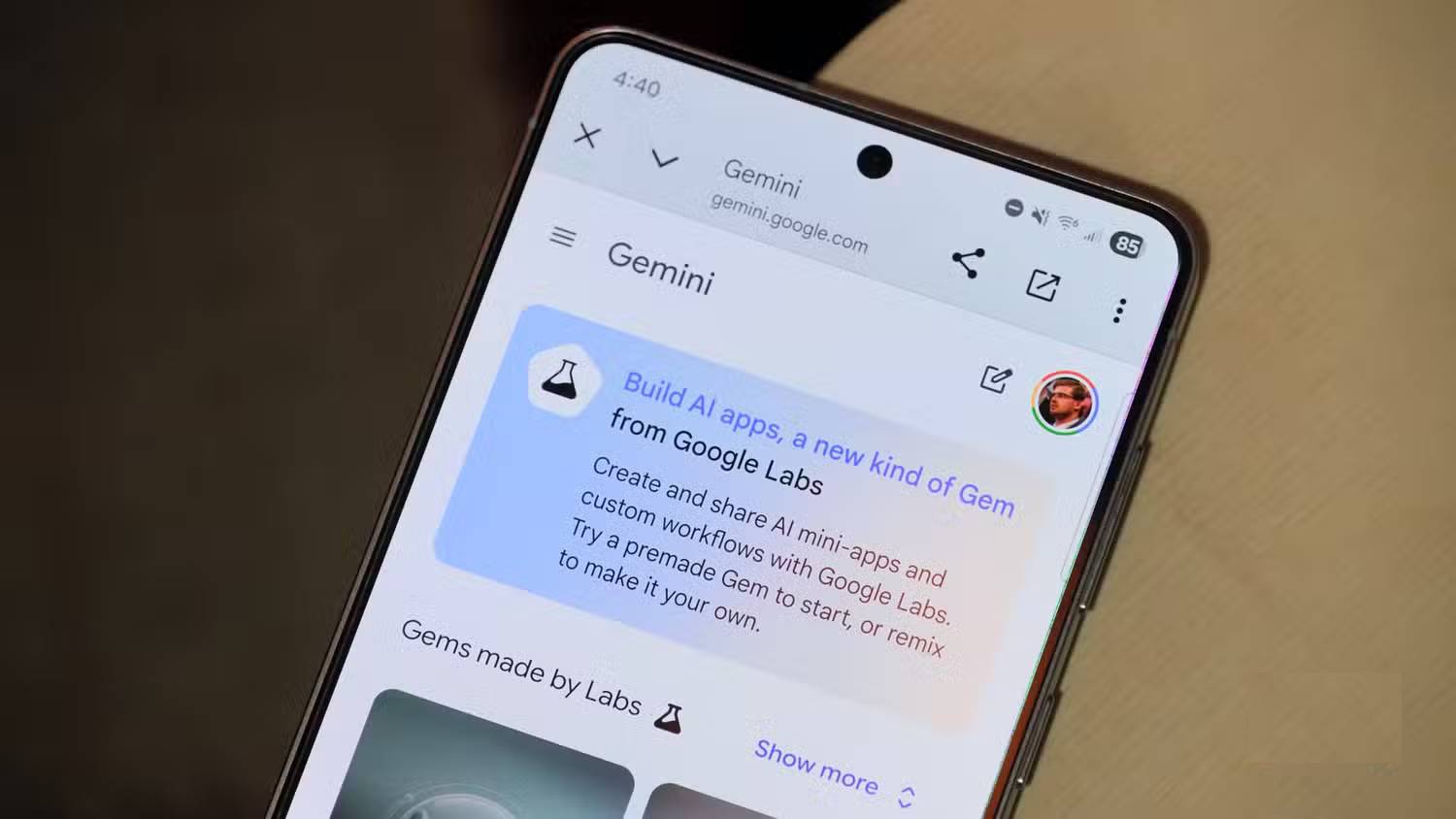
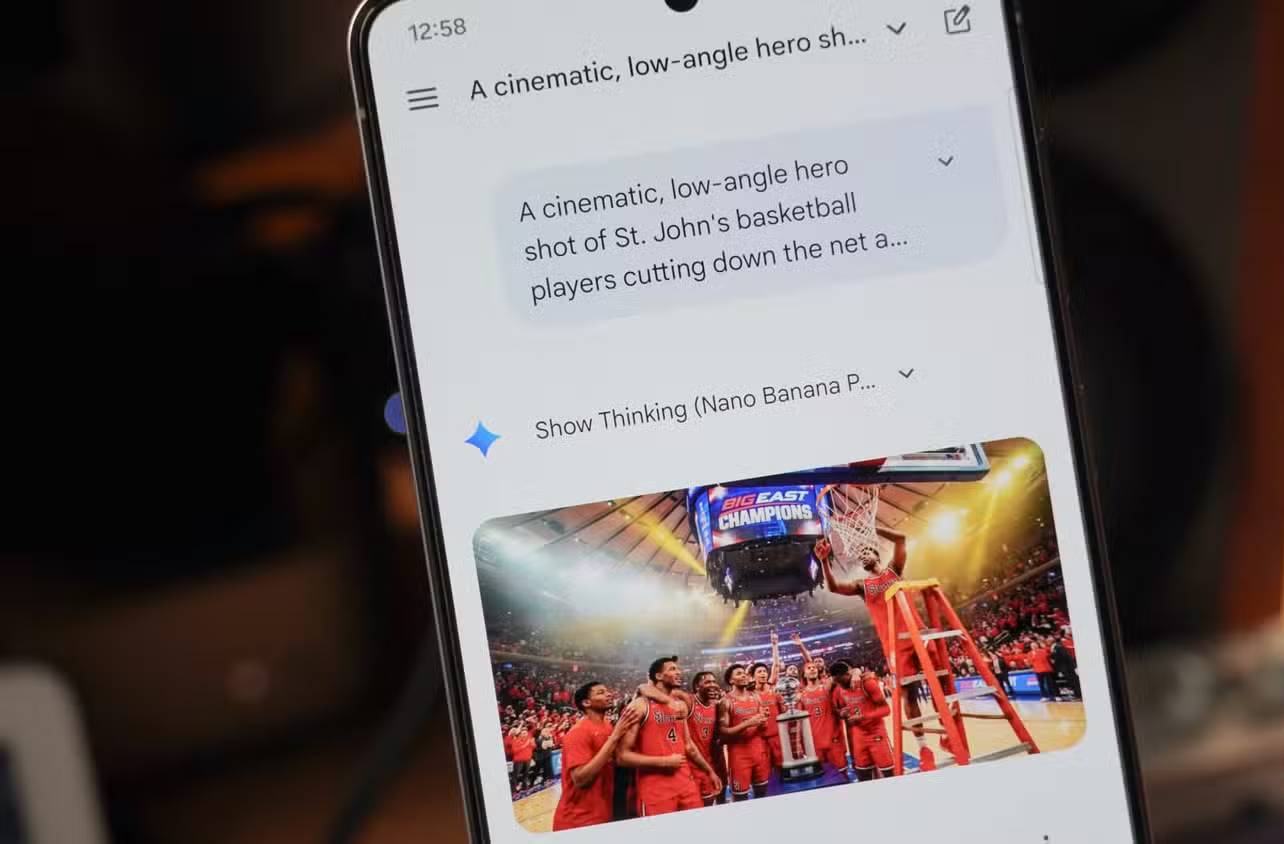
Leaderboard positions can be useful, but they change frequently and may not reflect a person's actual work. A model that scores well on a benchmark can still be less convenient because of its interface, limits, price, privacy controls, or integrations.
How to compare alternatives
Before canceling a subscription, test the same representative tasks in two or three services. Compare factual accuracy, citation quality, writing control, file handling, coding performance, response limits, and the privacy settings available for your account. Do not upload confidential material during a trial unless the service's data policy permits it.
Also export any conversations or custom material you are entitled to keep before closing an account. If the concern is cost rather than trust, switching to a free plan may be enough.
A decision based on priorities
The Cancel ChatGPT movement reflects a genuine debate about accountability, but it does not prove that one assistant is best for everyone. Users who prioritize particular safety commitments may prefer a provider whose published policies align more closely with those priorities. Others may remain because ChatGPT performs better for their workflow.
The most defensible choice is to check current policies, compare tools with your own tasks, and decide whether the service still earns both your subscription fee and your trust.
Related Articles
 Why Were New ChatGPT Registrations Stopped? When Will It Reopen Explained5 minutes read
 Stop Using ChatGPT for These 5 Tasks: There Are Better Ways6 minutes read
 Stop Opening ChatGPT Directly in Your Browser: Use This Shortcut Instead!6 minutes read
 Don't Use ChatGPT to Do These 11 Things!9 minutes read
 Why Do Many People Regret Ignoring This ChatGPT Feature for So Long: Key Facts7 minutes read
 Learn About ChatGPT-4o: Features, Benefits and How to Use It: Complete Guide7 minutes read
Reader Comments 0
Sign in with email or Google to join the discussion.