Table of Contents
When setting up a Samsung Galaxy phone, review display quality, charging, gestures and notification history. These seven settings can make everyday use easier, but the available controls depend on the model and One UI version. If a menu is missing, search for its name in Settings before assuming something is wrong.
1. Choose a screen resolution your phone supports
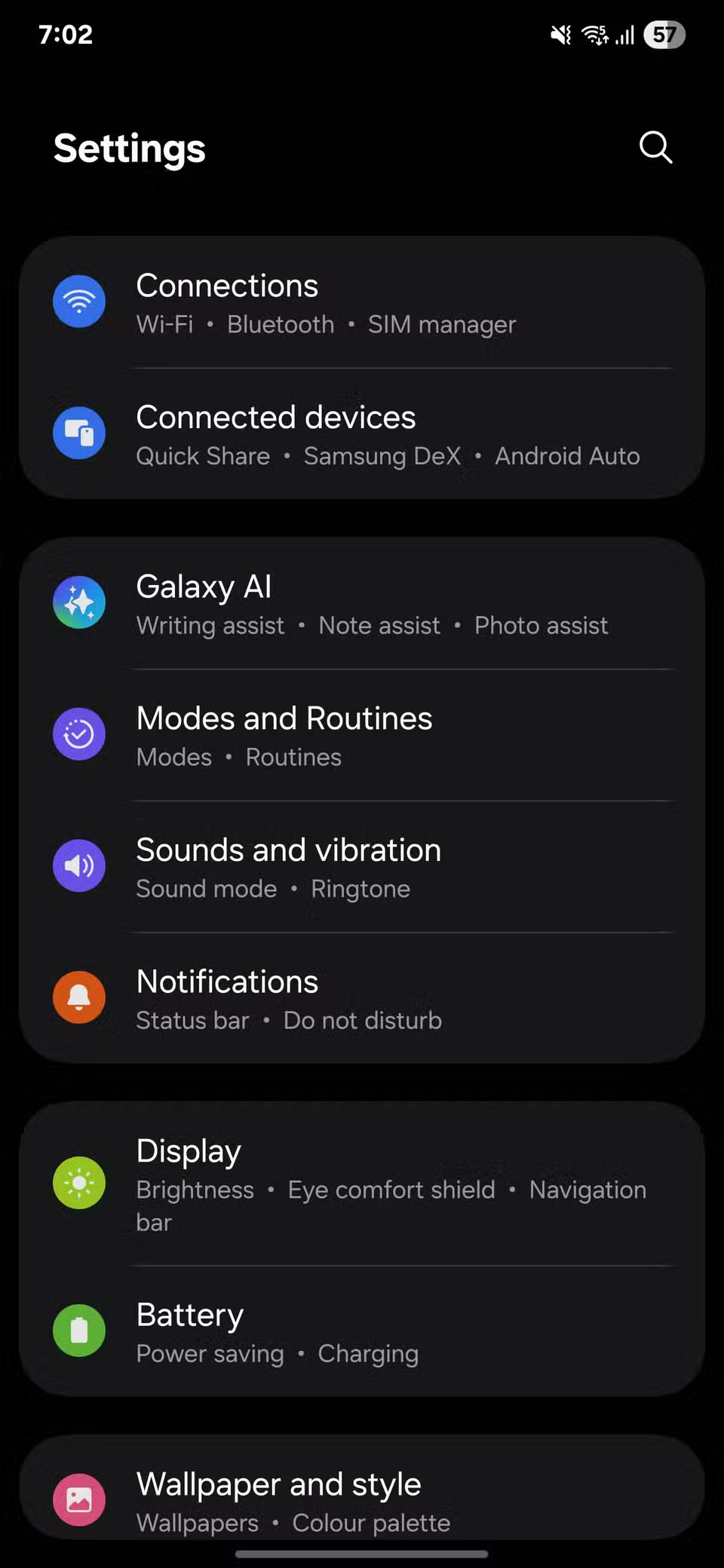
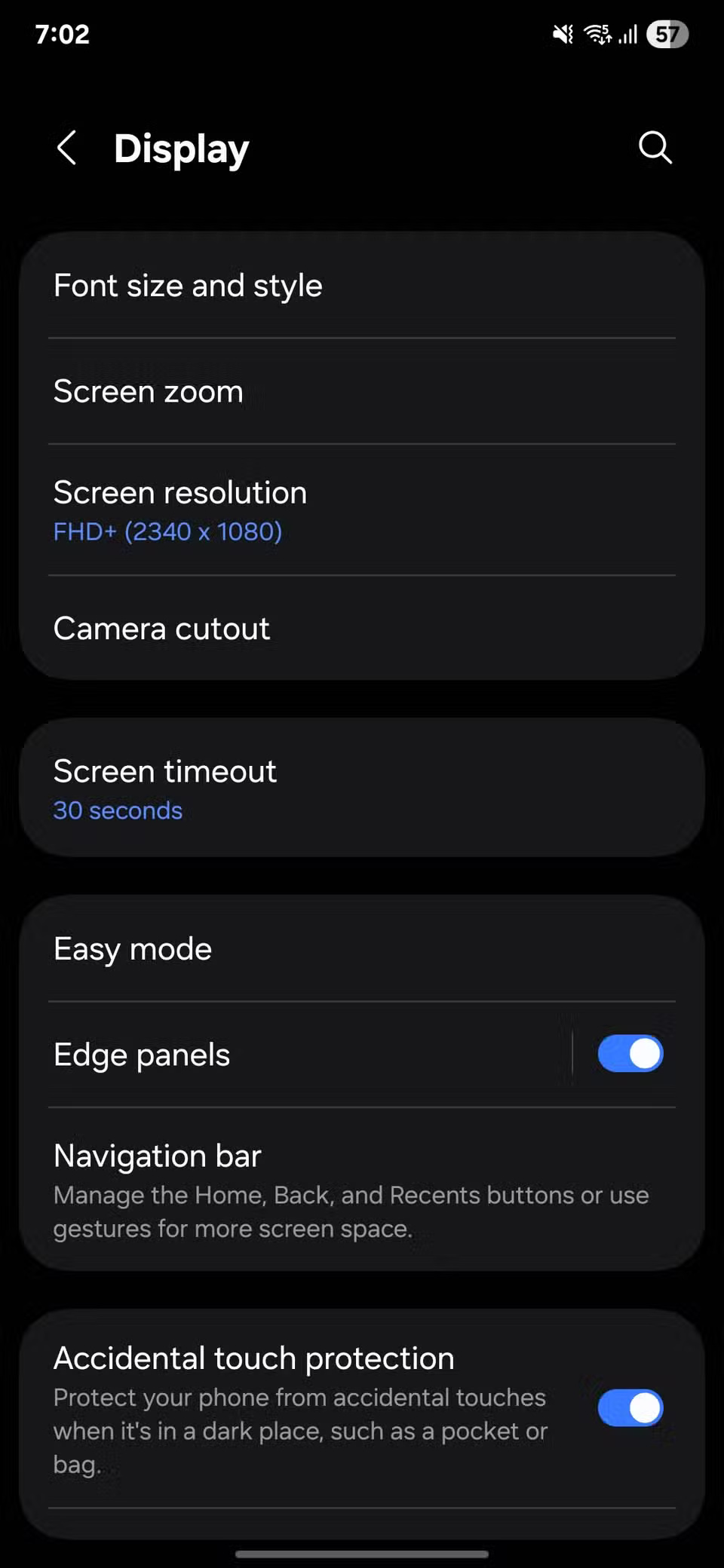
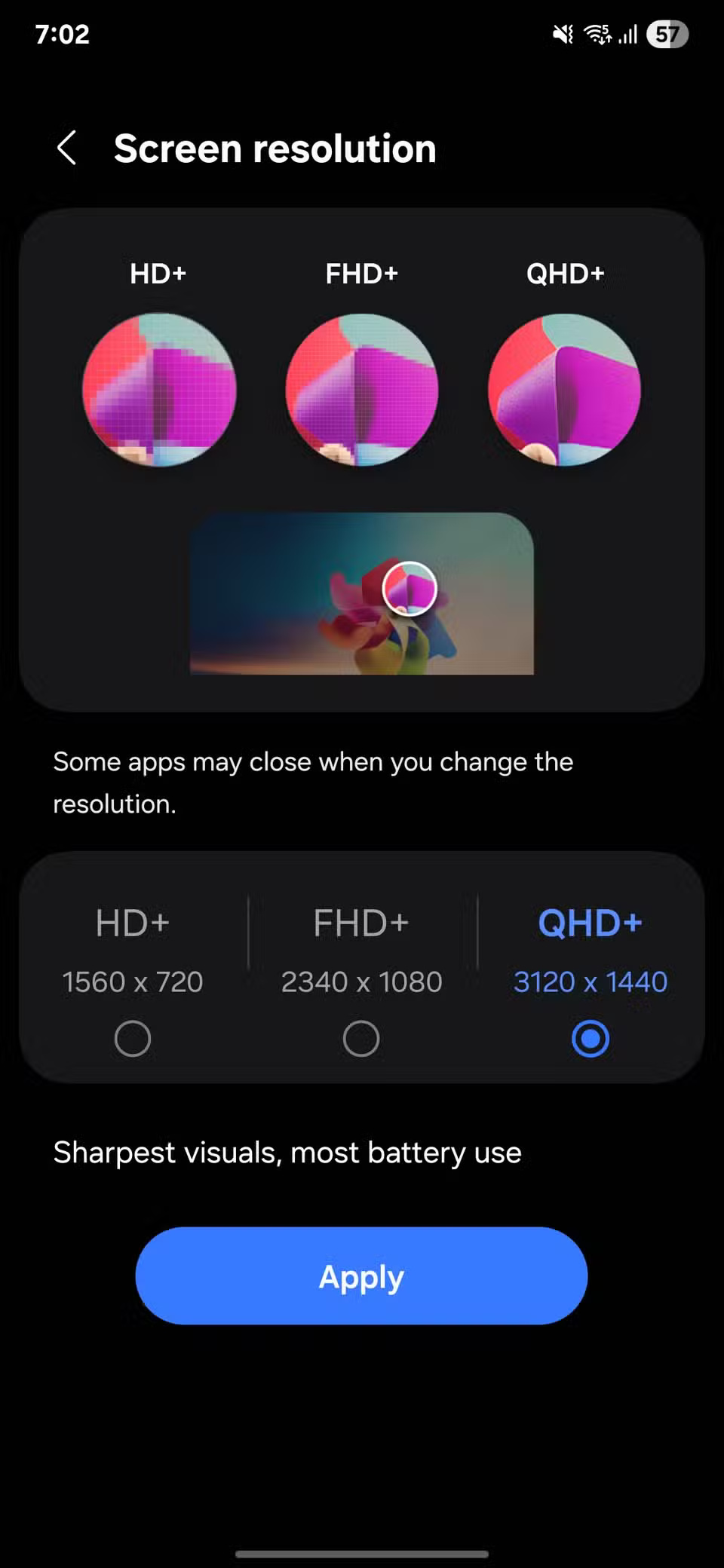
Open Settings > Display > Screen resolution. If QHD+ or WQHD+ is available, select it for finer detail. Many Galaxy models have a fixed resolution and do not show this menu.
Compare text and photos at your usual viewing distance. A higher setting may use more power; choose the lower resolution again if the difference is small or battery life matters more.
2. Check fast charging
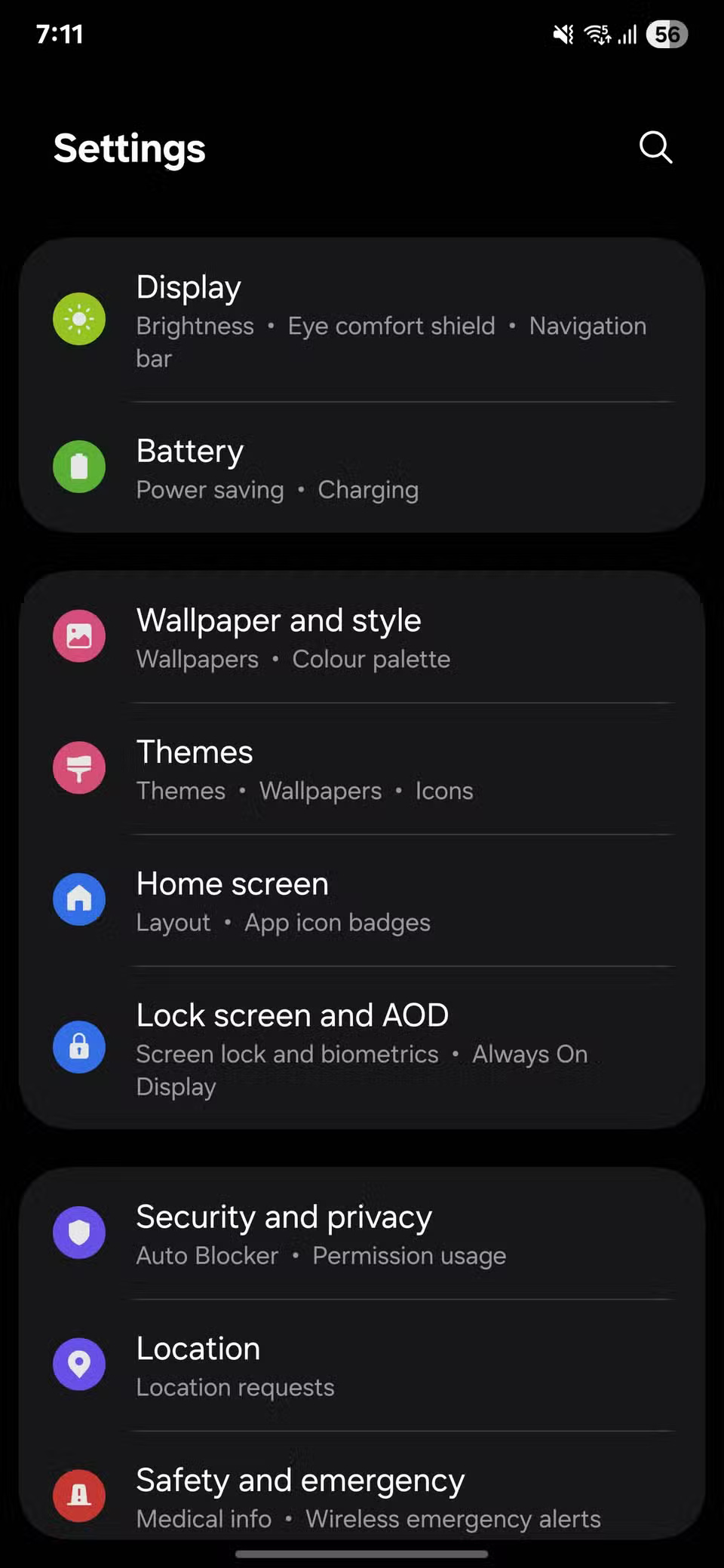
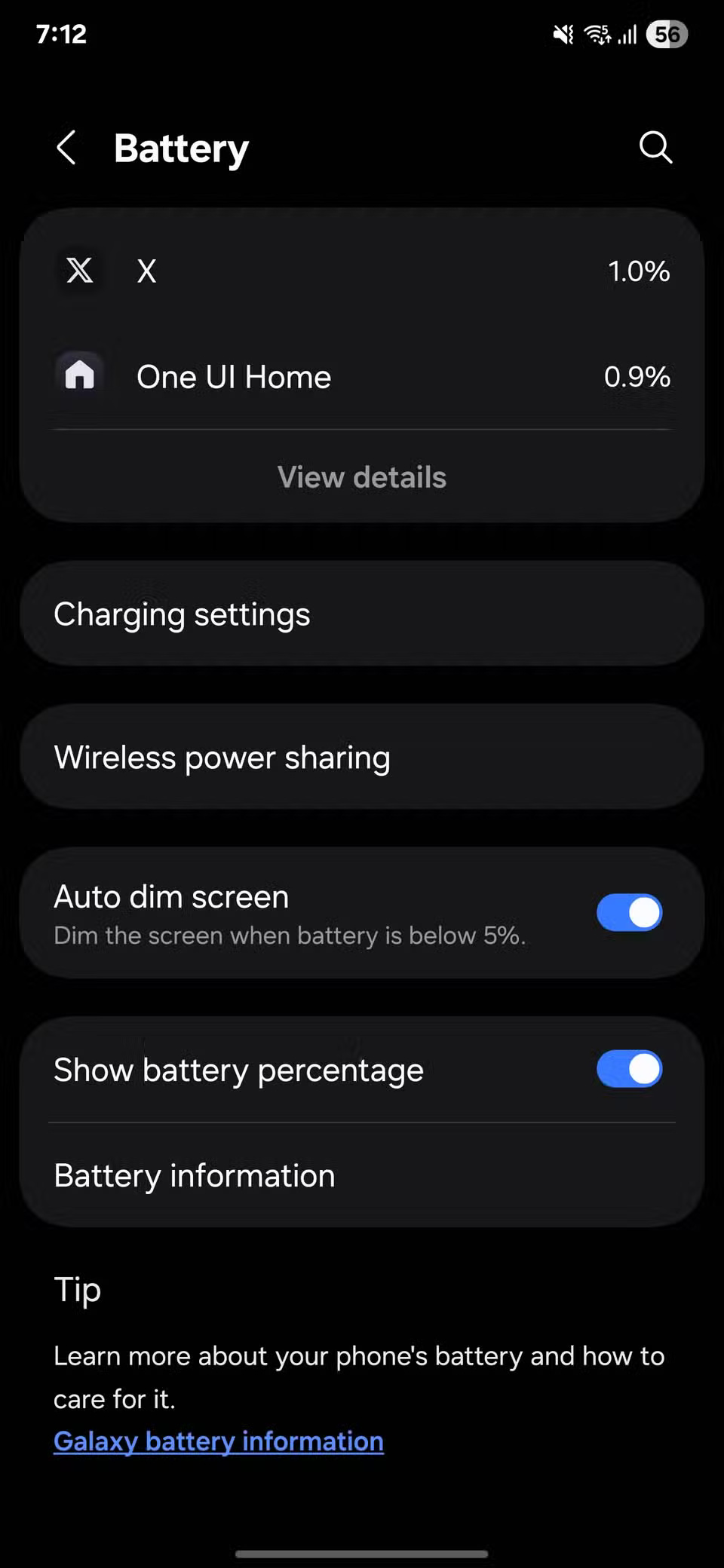
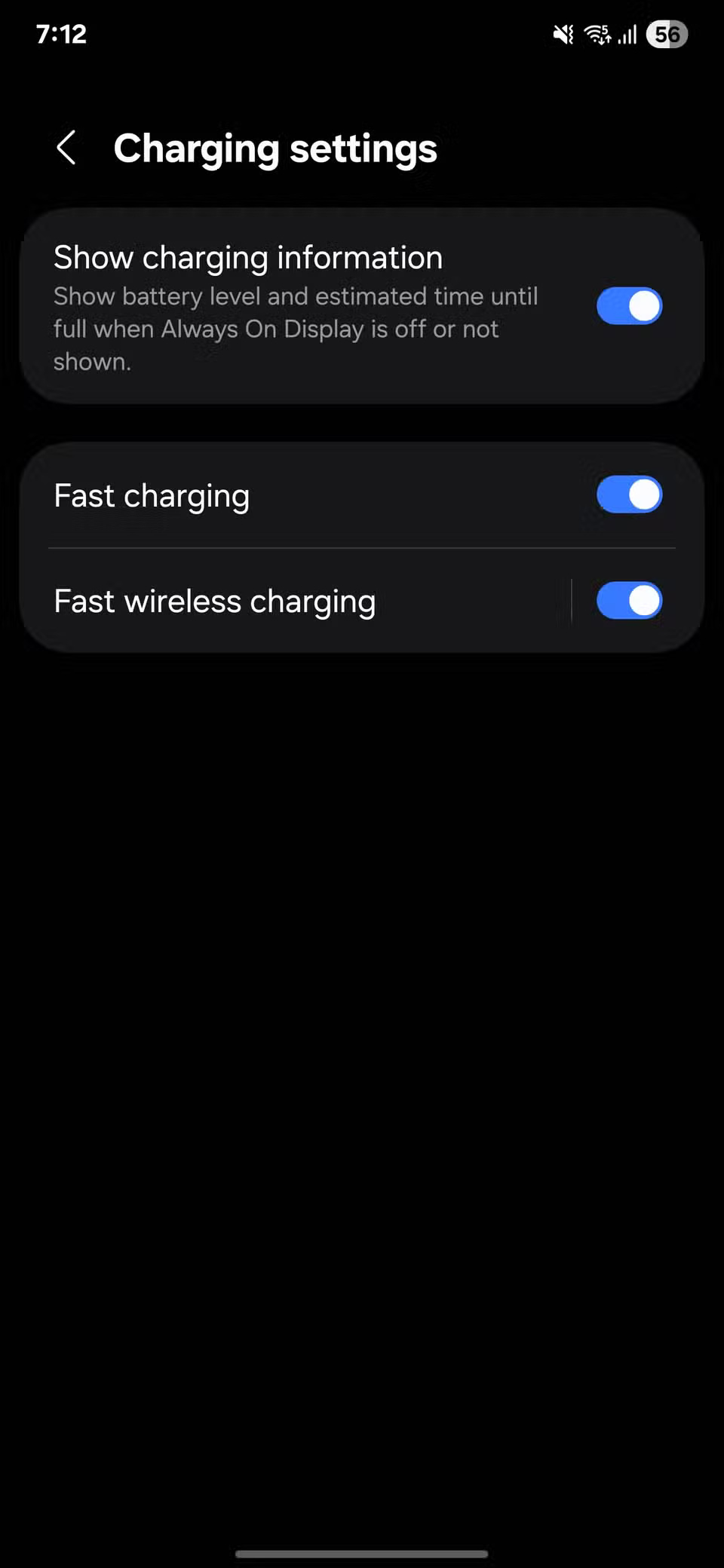
Go to Settings > Battery > Charging settings and enable Fast charging, if available. Older One UI versions may place the option under Battery and device care. Fast wireless charging is a separate option on supported phones.
You also need a compatible charger and cable. The toggle alone cannot increase the charger’s output or guarantee maximum speed: battery temperature, charge level and active use can limit charging.
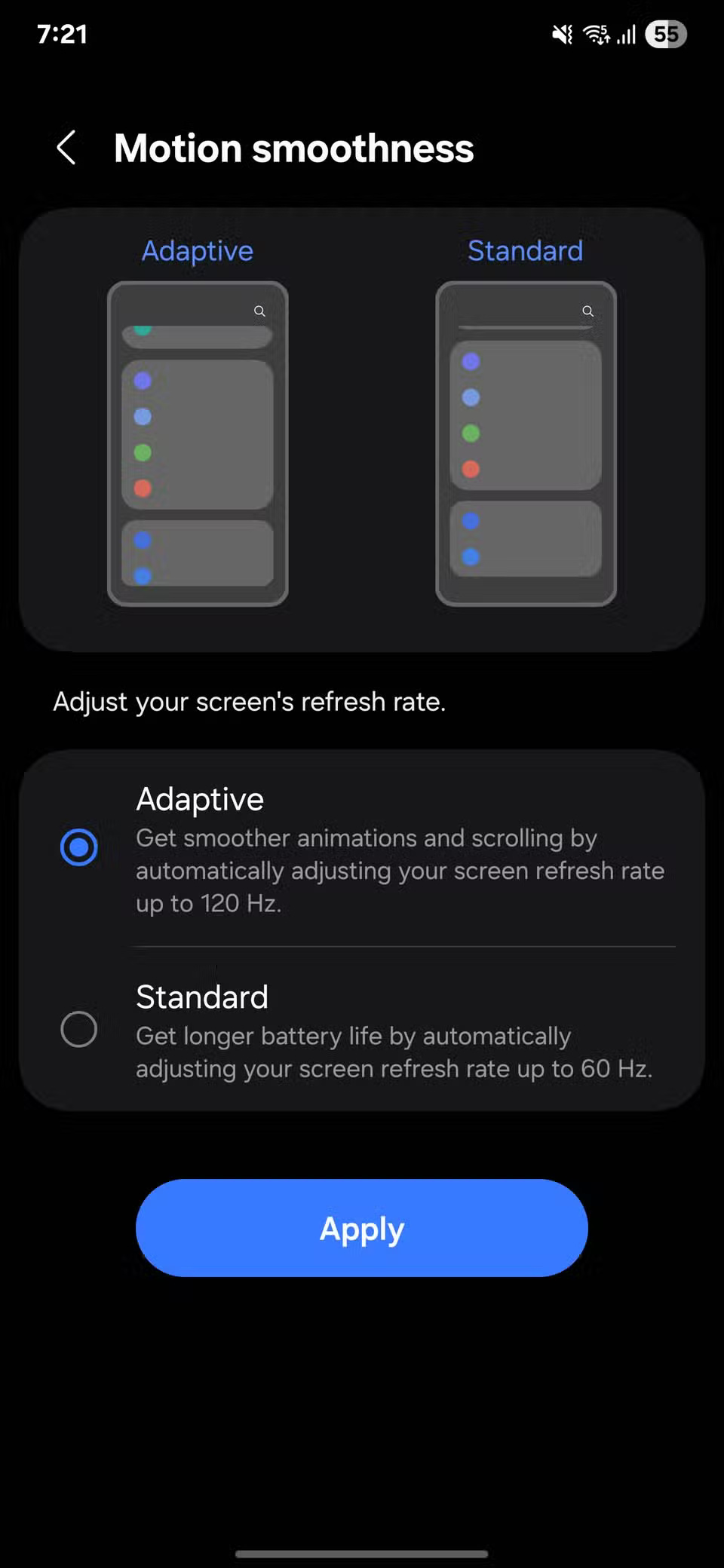
3. Adjust motion smoothness
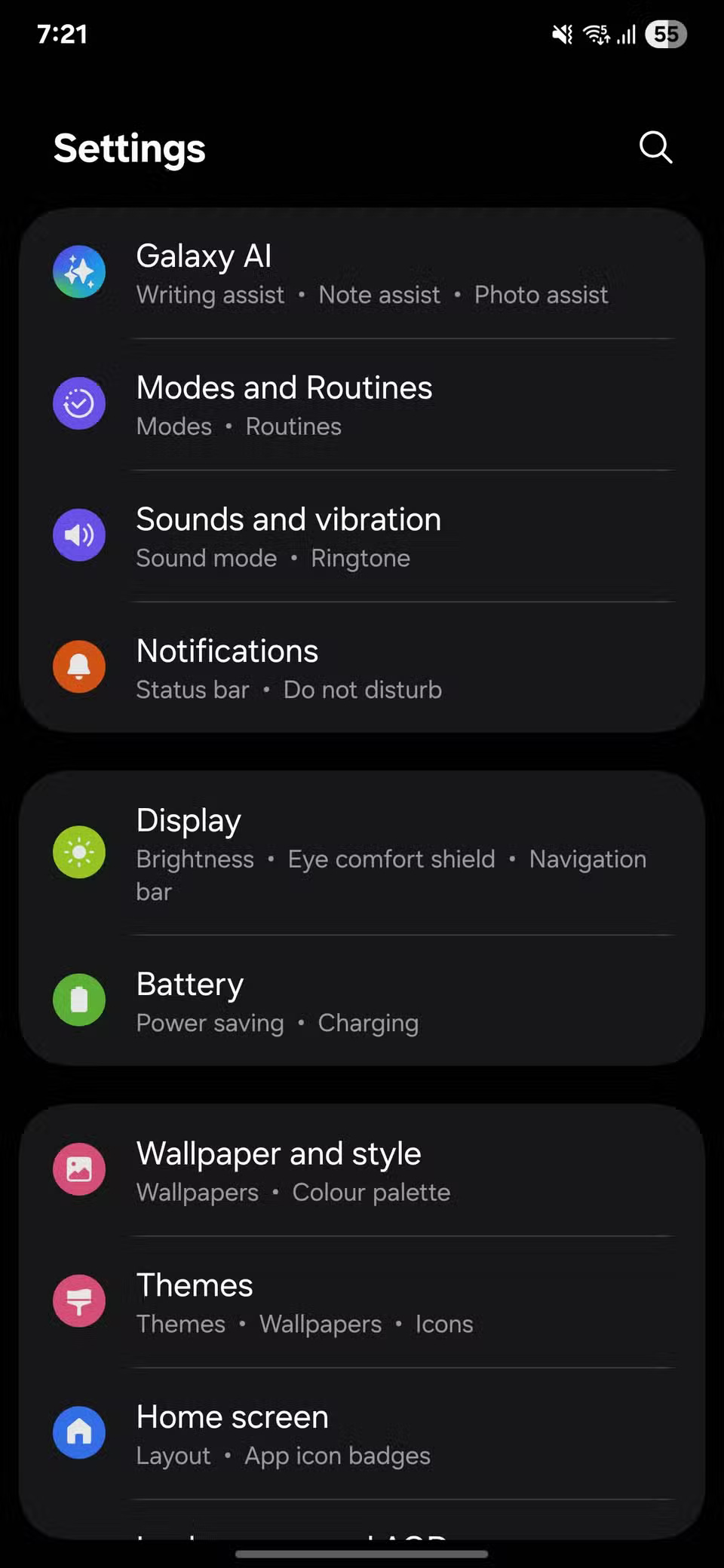
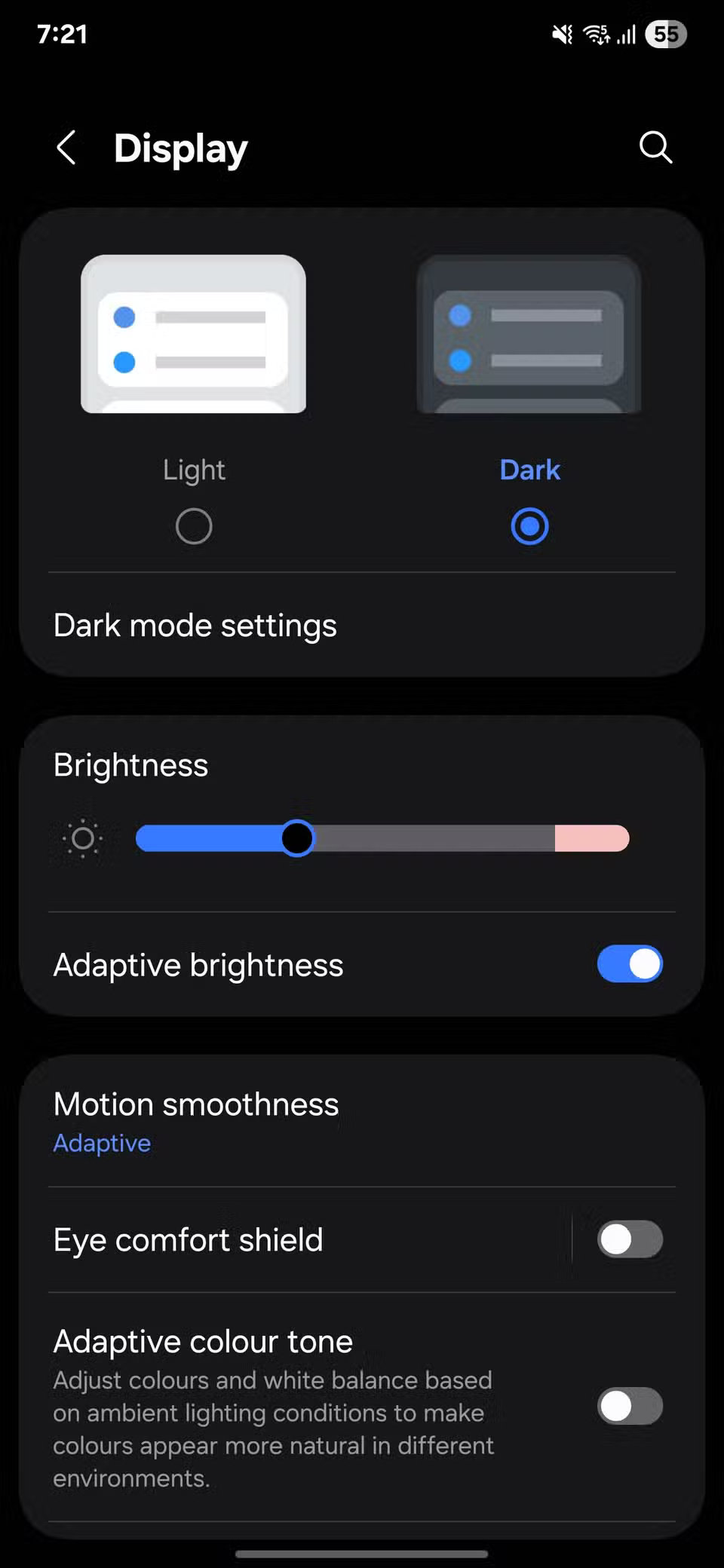
Open Settings > Display > Motion smoothness. Choose Adaptive or High where offered for smoother scrolling. Choose Standard to favor battery life.
Available modes and refresh rates depend on the model. Some devices restrict high refresh rates at WQHD+ or while power saving is enabled, so check the active setting after changing resolution.
4. Decide whether automatic restarts suit you
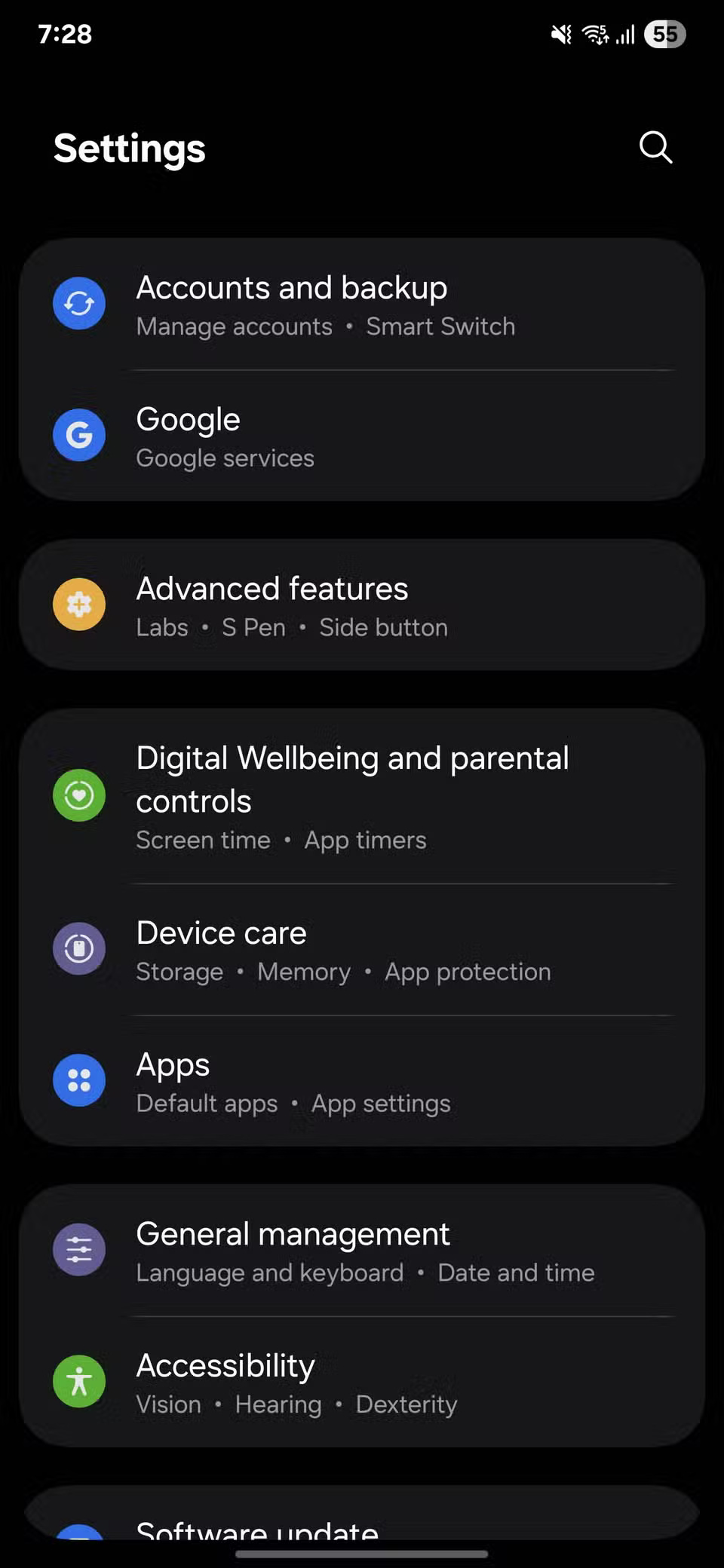
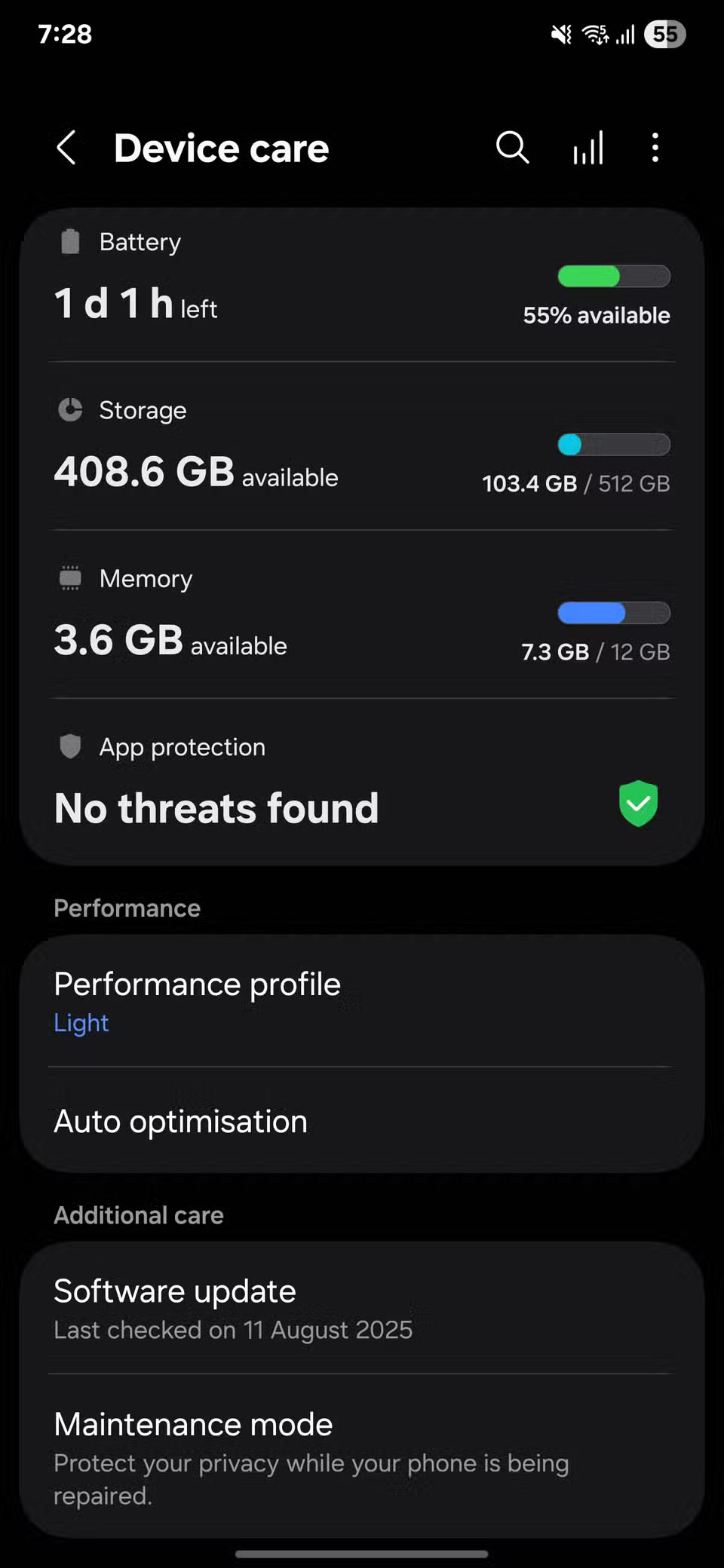
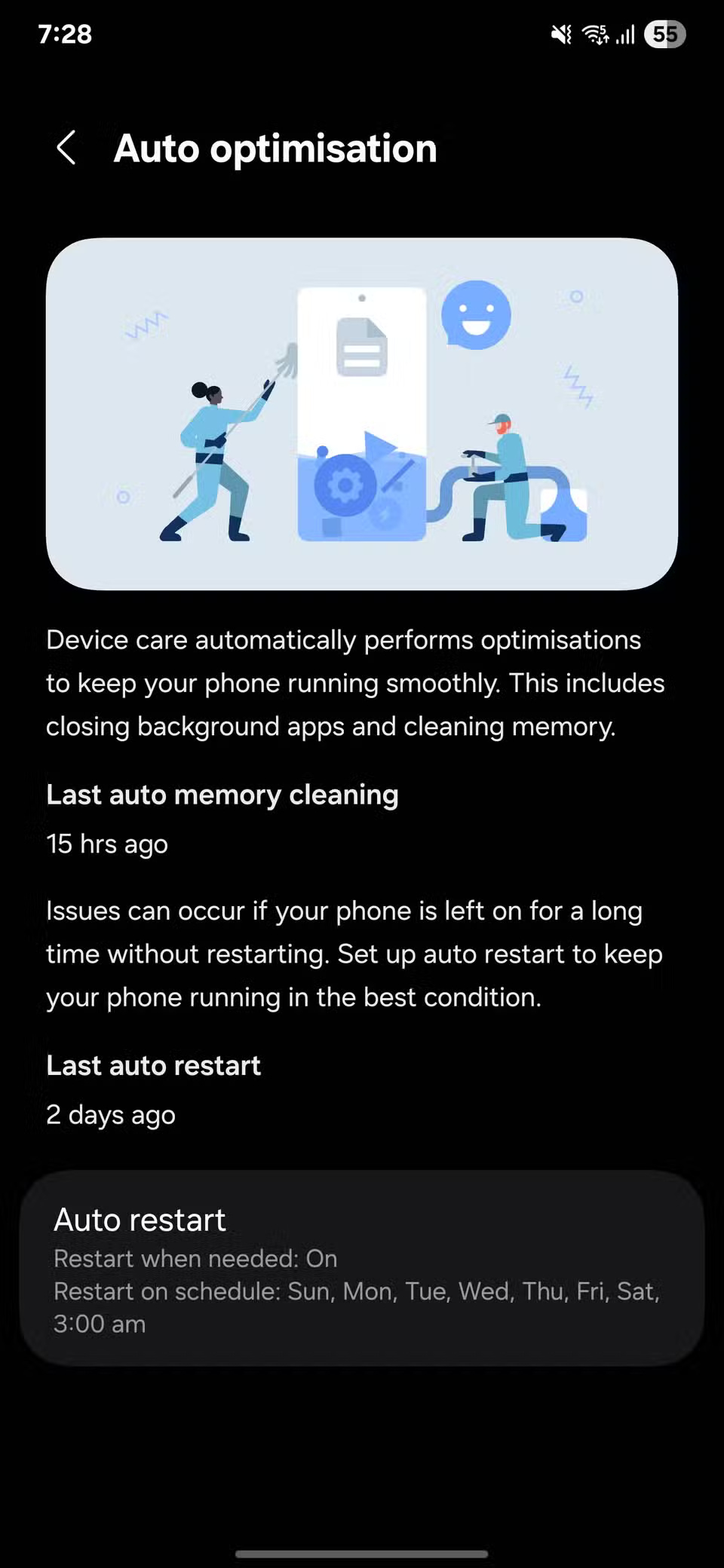
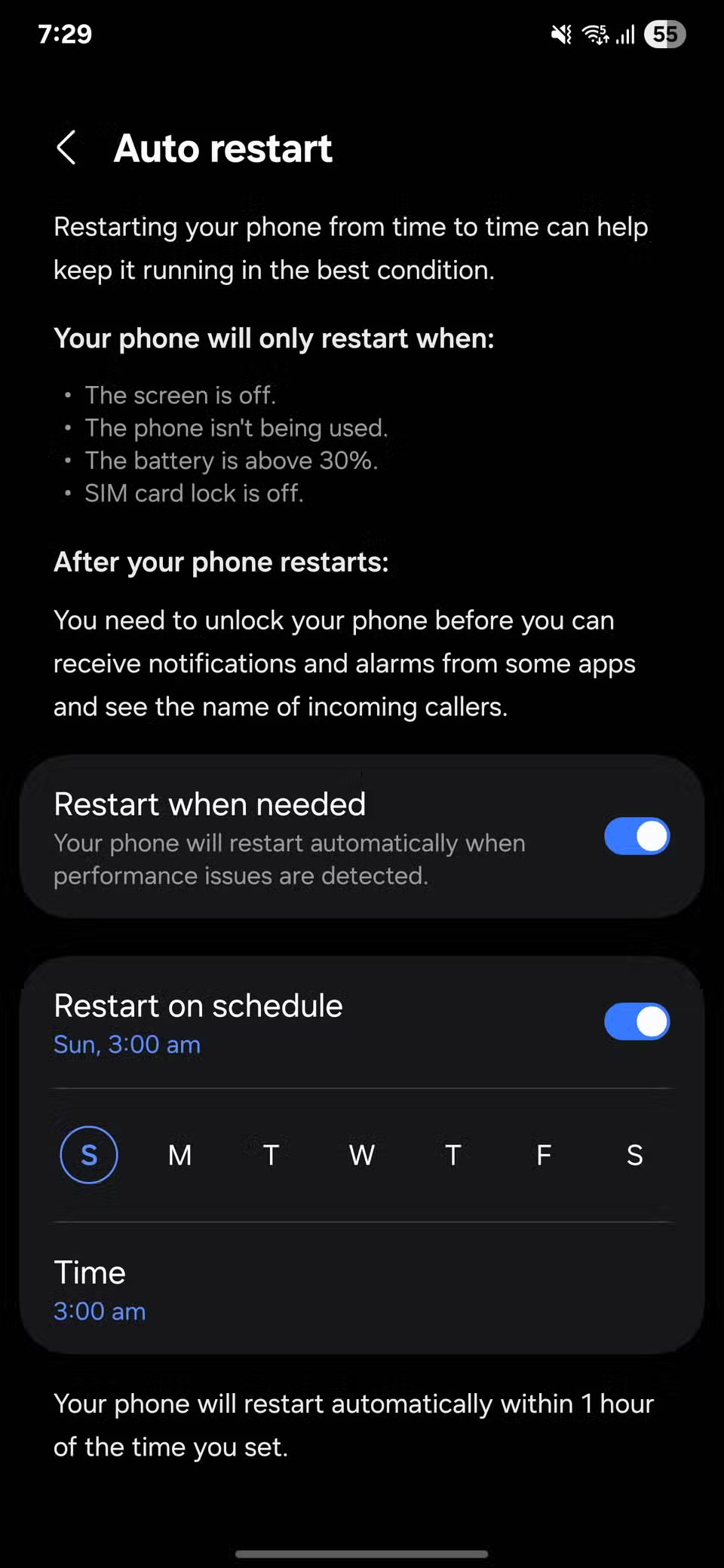
Look under Settings > Device care > Auto optimization > Auto restart. Depending on your software, you may see Restart when needed, Restart on schedule, or both.
If you enable a schedule, choose a time when the phone is unlikely to be needed and save open work first. Know your unlock PIN, password or pattern, which may be required after a restart. Automatic restarting is optional; it is not a cure for repeated crashes.
5. Silence calls with a gesture
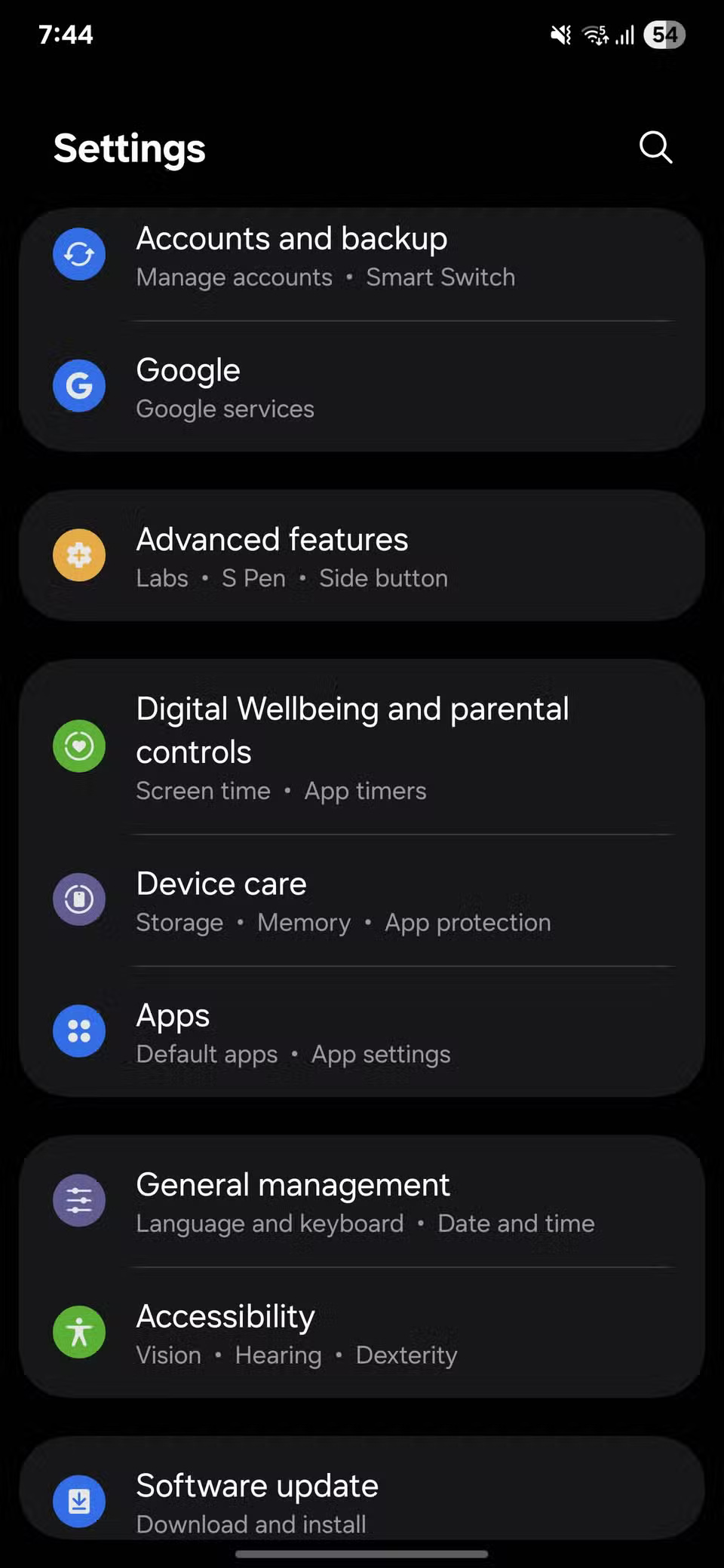
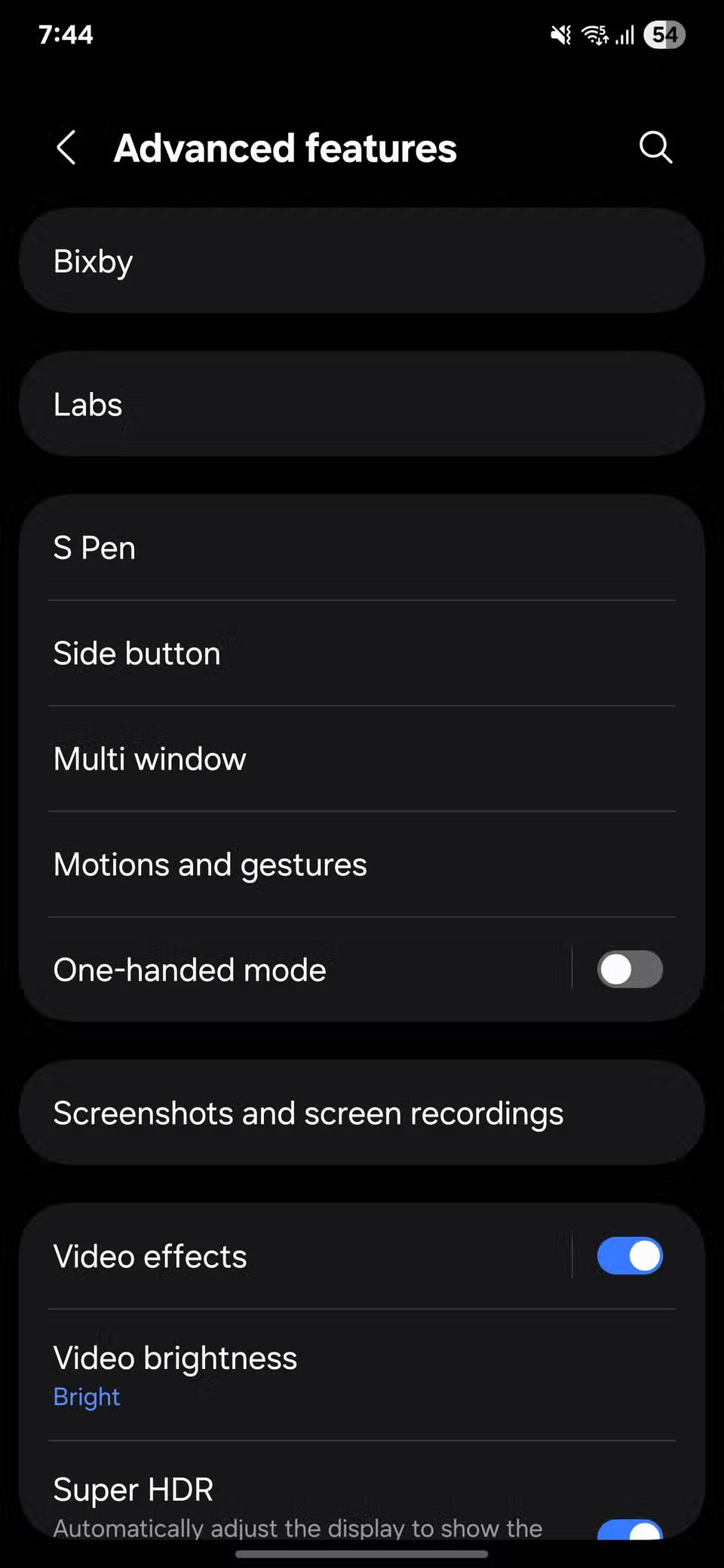
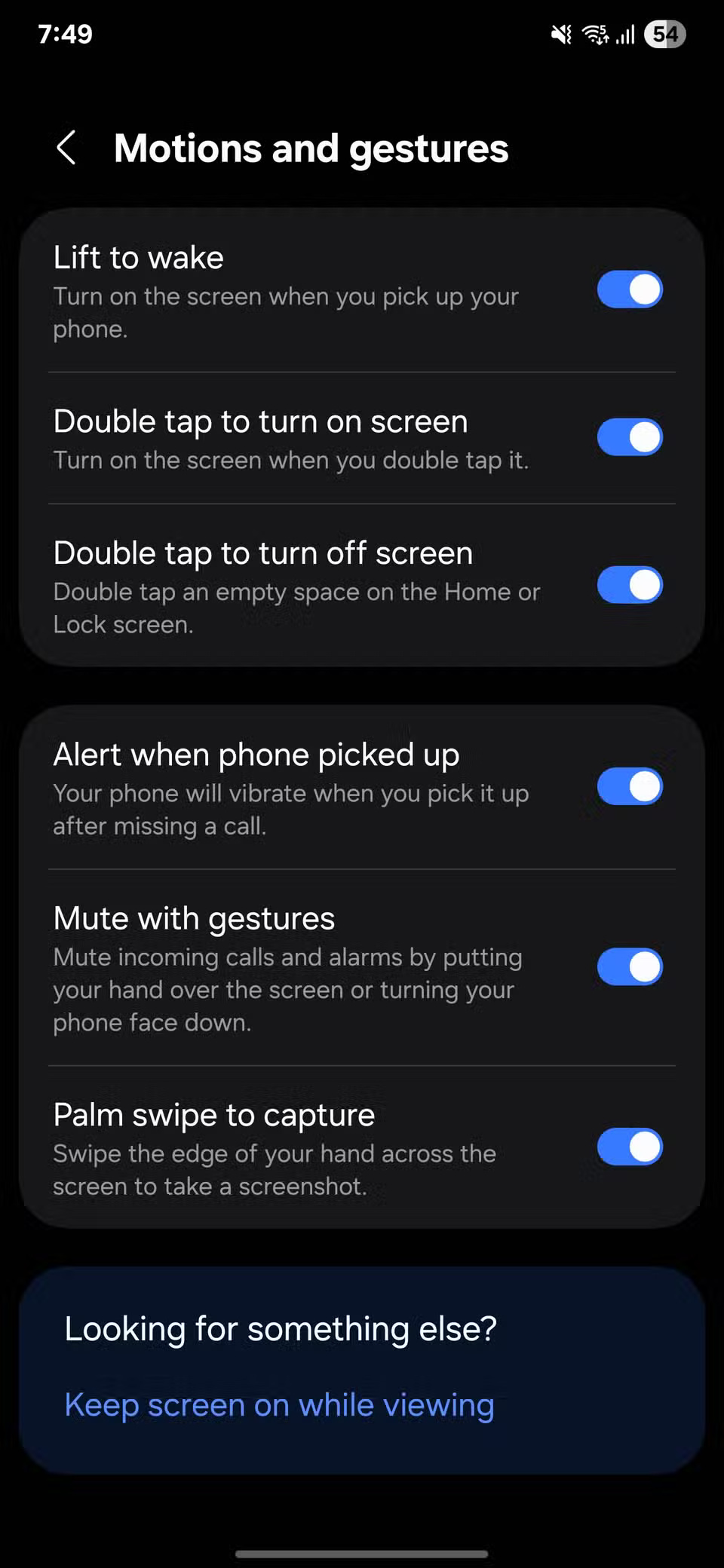
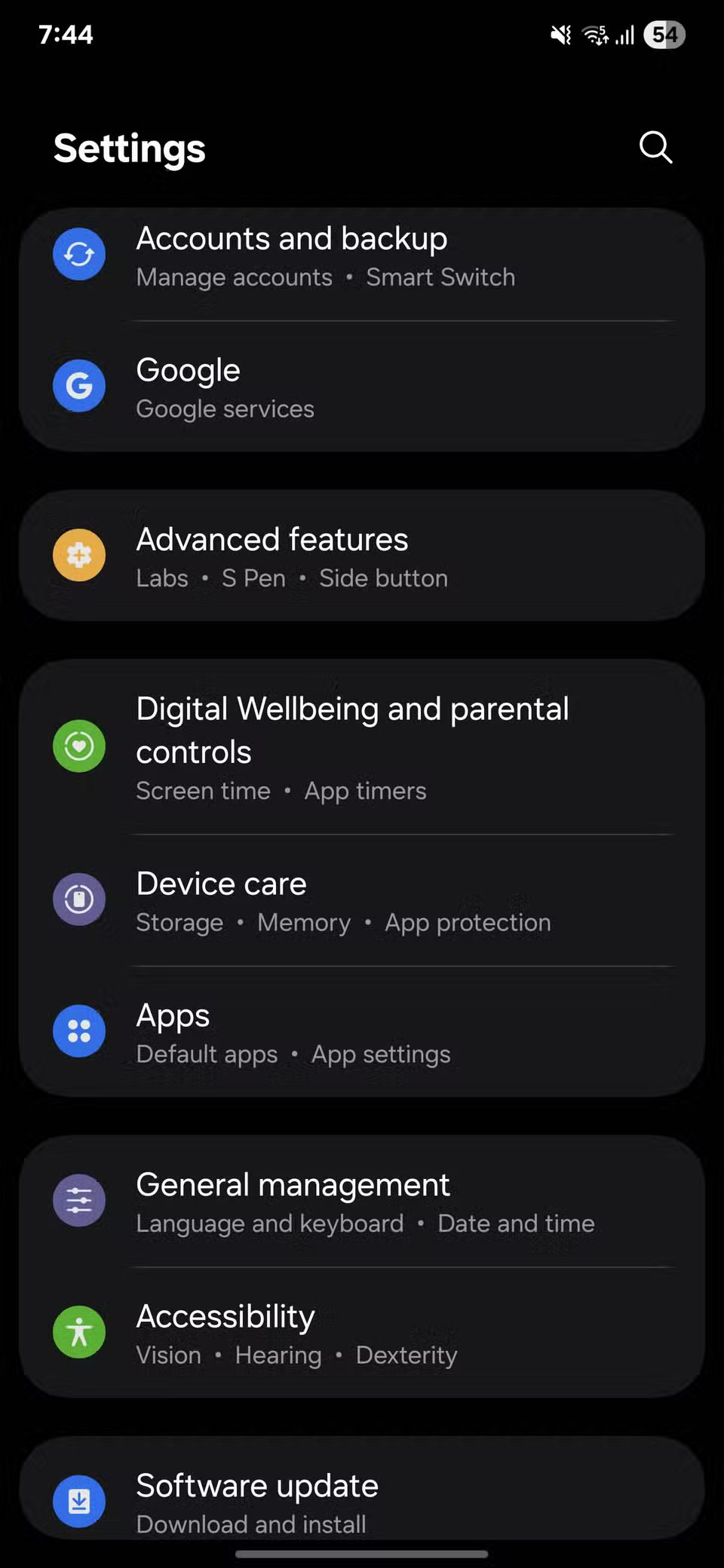
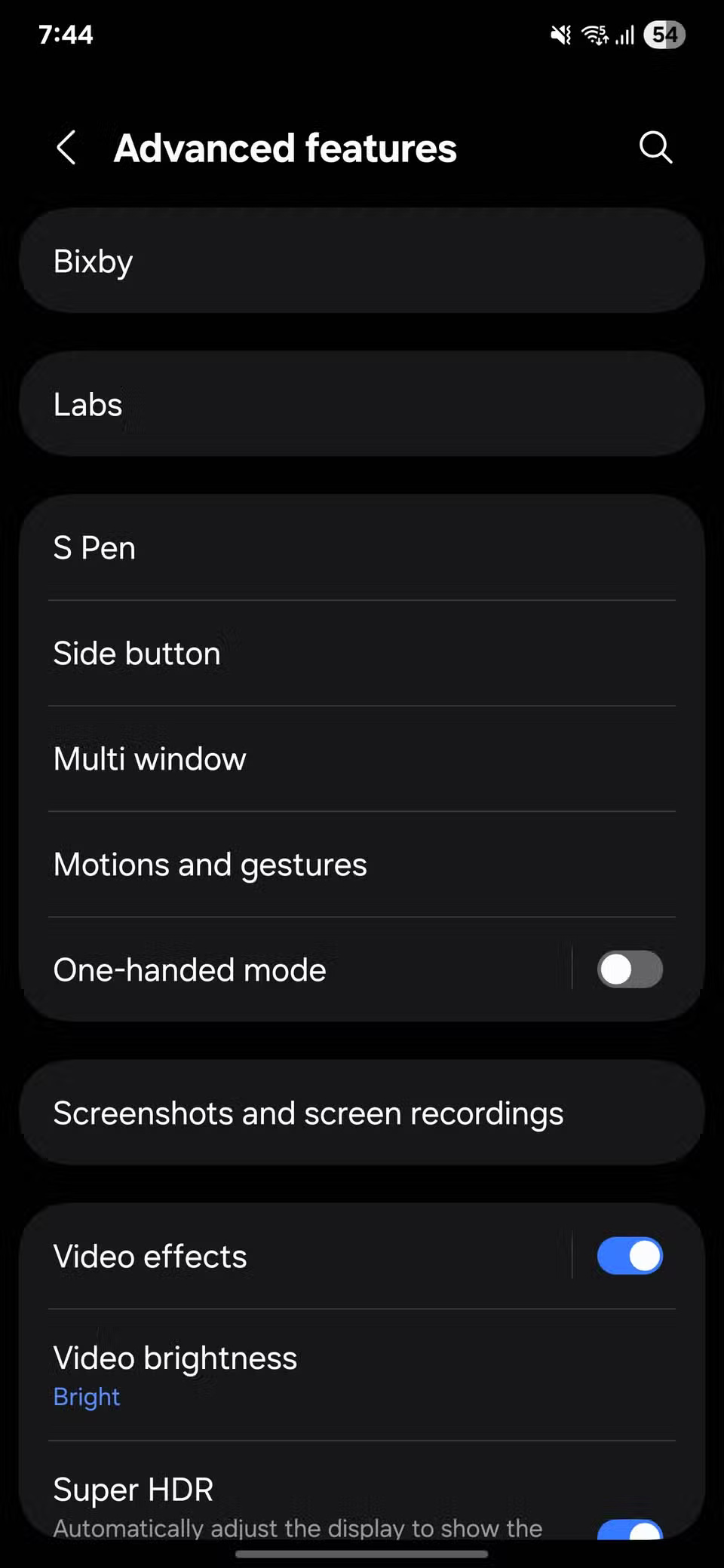
Open Settings > Advanced features > Motions and gestures and look for Mute with gestures. On supported models, covering the screen with your palm or turning the phone face down can silence an incoming call or alarm.
Test it with a nonessential alarm before relying on it. Silencing an alert does not necessarily dismiss the alarm or reject the call. If the option is absent, use the volume controls instead.
6. Check keyboard and reply suggestions separately
To use Samsung Keyboard features, choose it under Settings > General management > Keyboard list and default > Default keyboard. Then open Samsung Keyboard settings and review the suggestions or writing assistance options available on your device.
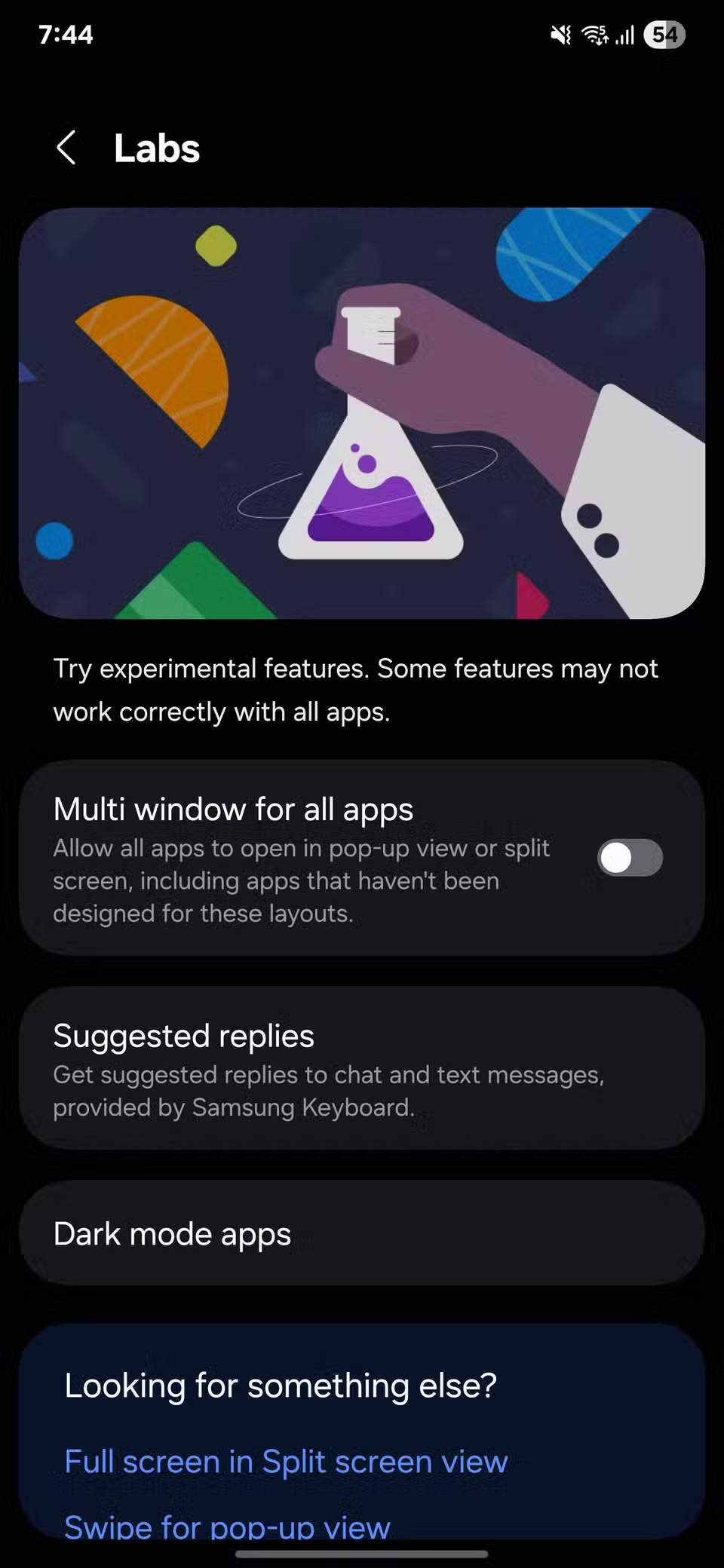
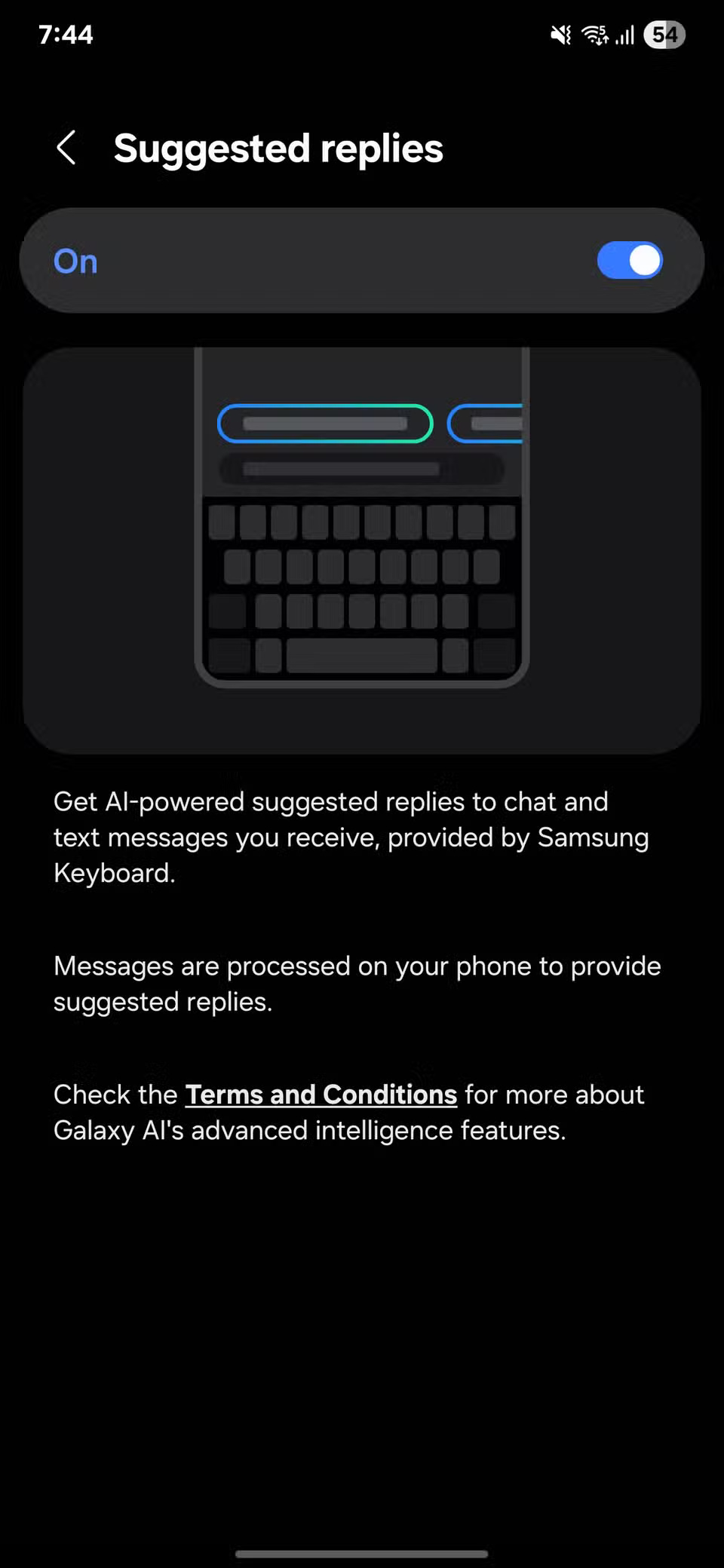
Predictive text, AI-generated replies and suggested actions in notifications are different features. Availability depends on your One UI version, language, model and messaging app. Selecting Samsung Keyboard alone does not enable every type of suggested reply. Review a suggestion before sending it.
7. Enable notification history before you need it
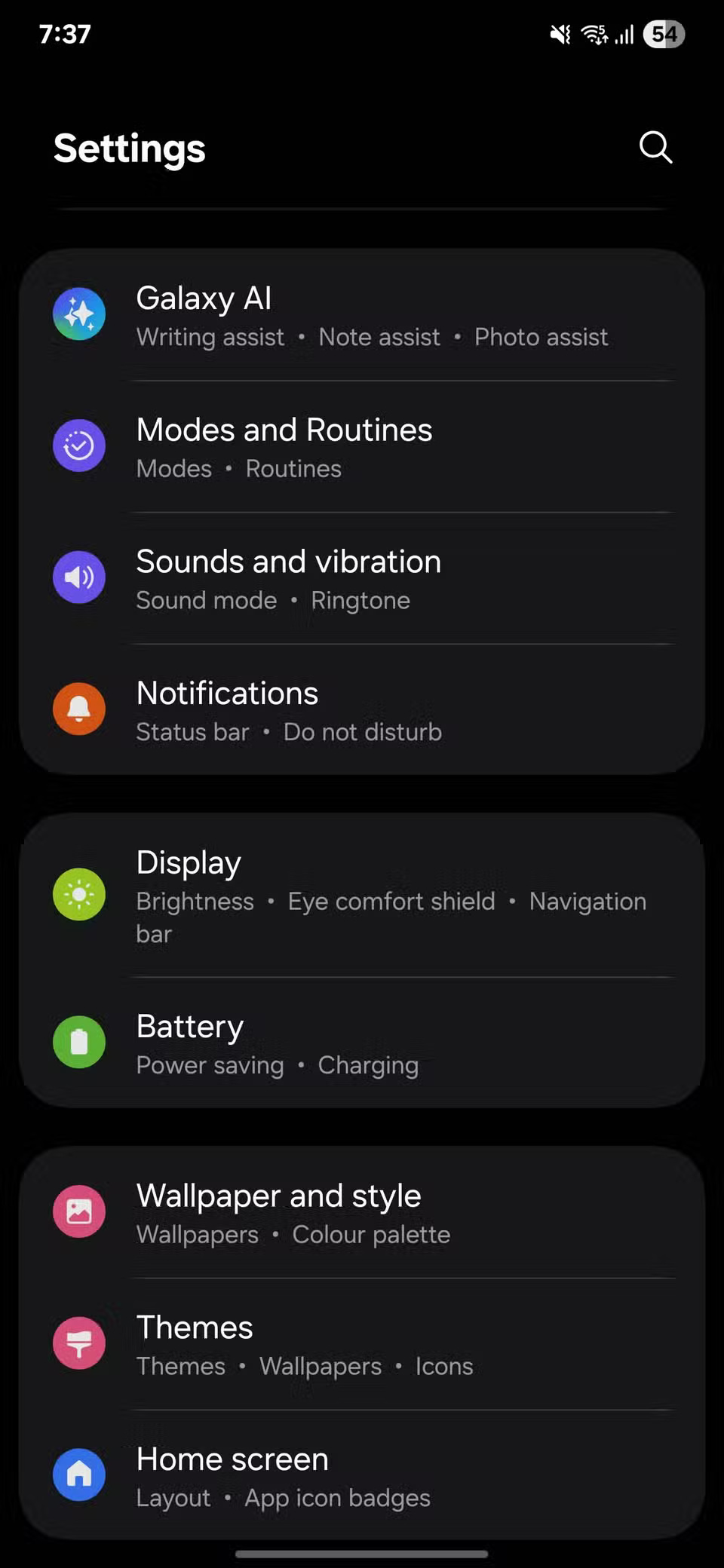
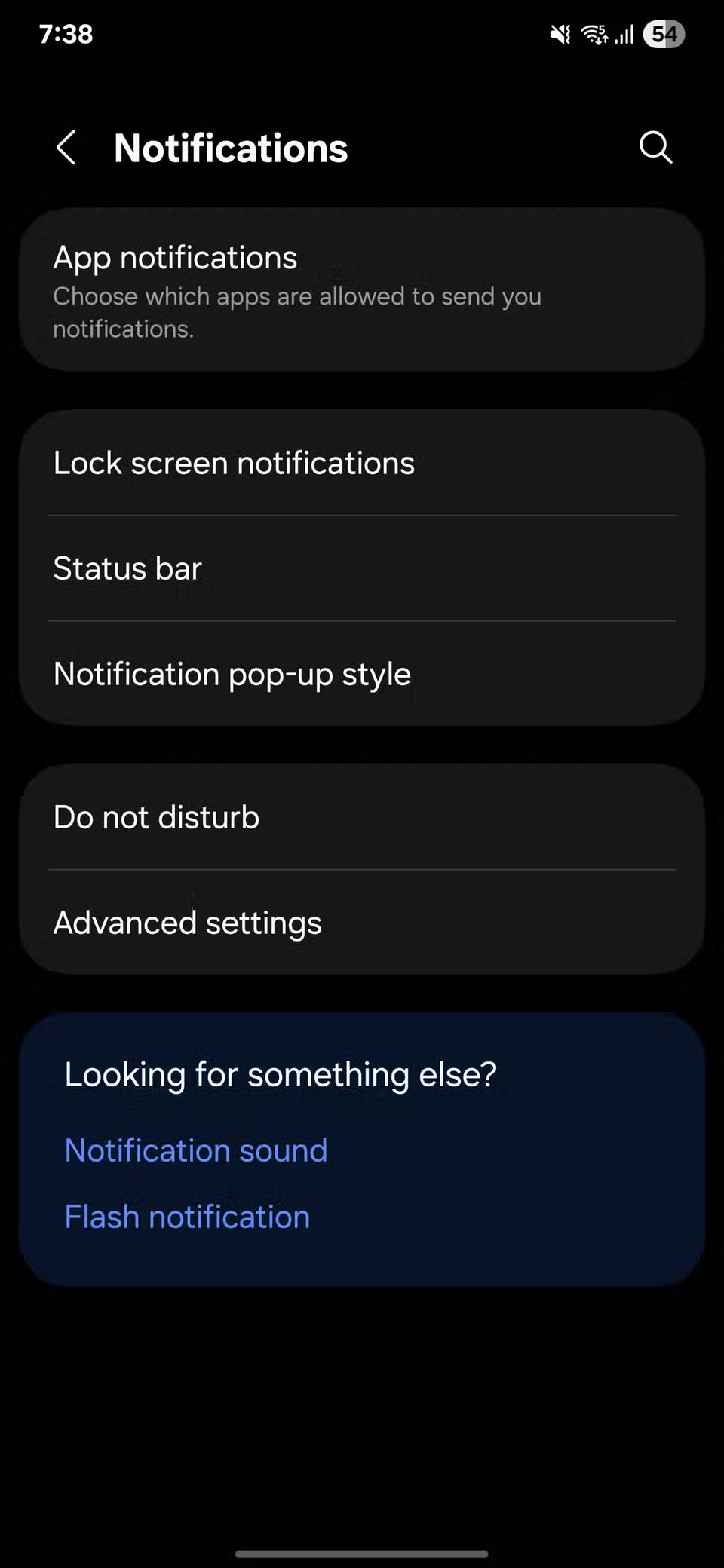
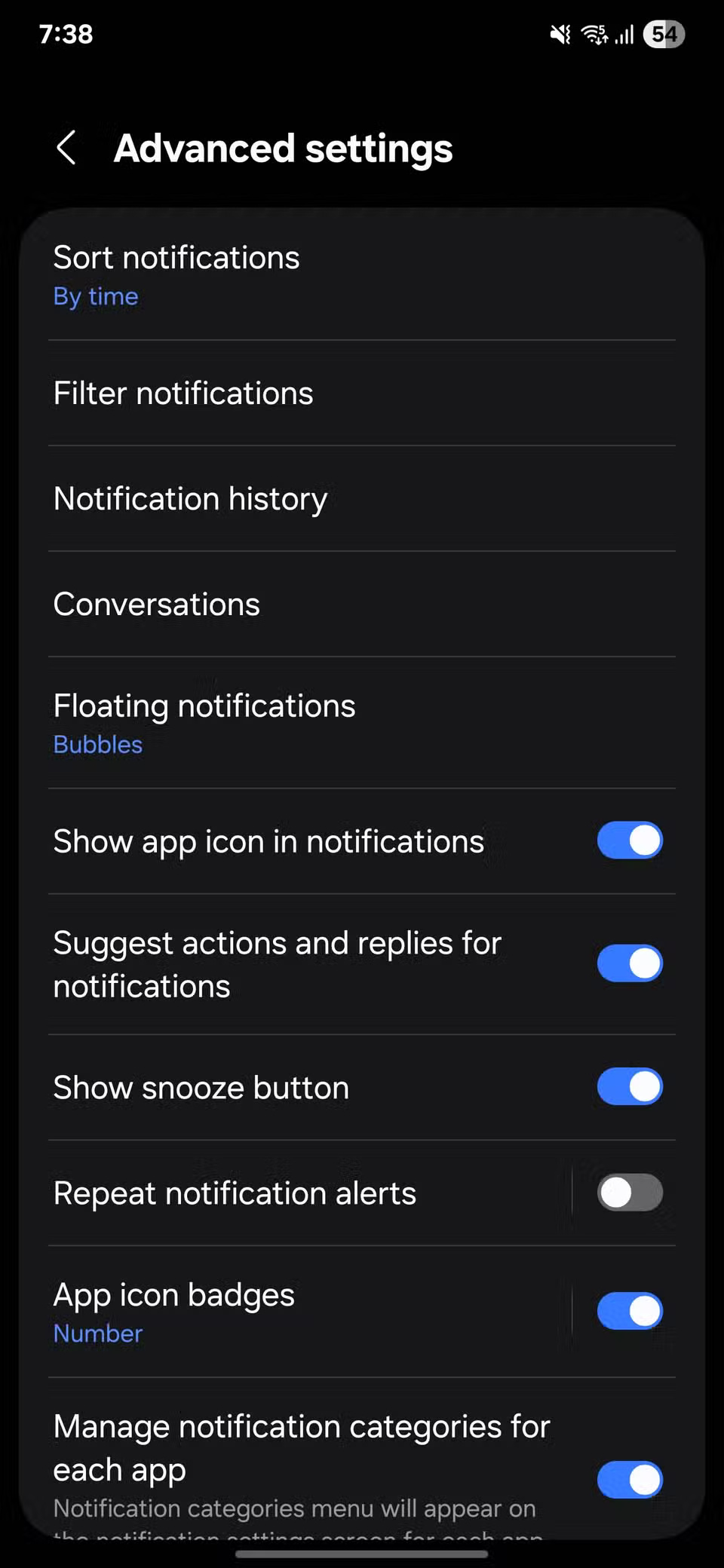
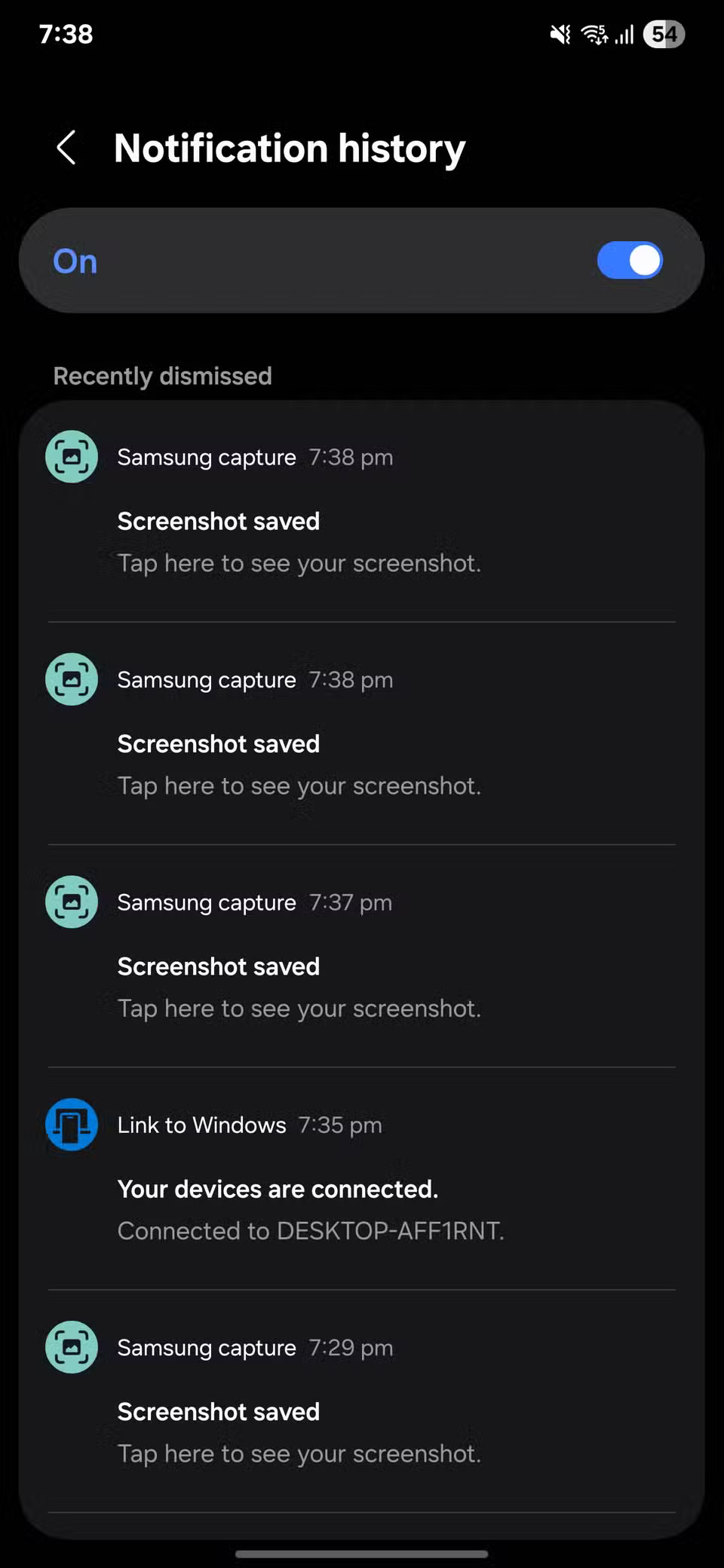
Open Settings > Notifications > Advanced settings > Notification history and turn it on. Return to this screen to review recently received or dismissed notifications.
History starts after you enable it; it cannot reconstruct alerts dismissed beforehand. It is a short-term log rather than a permanent message backup. Notification entries may contain private previews, so keep your phone locked when it is unattended.
For more notification controls, see flash notifications on Android and Samsung Now Bar settings.
Related Articles
 The first 6 One UI 8 settings you should change on every Samsung phone
 8 settings to make your Samsung phone run faster
 4 Reasons You'll Miss Your iPhone After Switching to Samsung
 12 Settings on Samsung Galaxy Phones You Should Change
 6 Privacy Tweaks Every Samsung User Needs to Make Right Now
 5 settings you should change on Galaxy S9 / S9 +
Reader Comments 0
Sign in with email or Google to join the discussion.