Table of Contents
If a Windows PC becomes slow, check what is using resources before changing settings or replacing hardware. Startup apps, low storage, pending updates, overheating, malware, and failing components can all contribute; the right fix depends on the symptoms.

Find the bottleneck
- Restart the PC, then open Task Manager and sort by CPU, memory, or disk usage while the slowdown occurs.
- Review Startup apps and disable only programs you recognize and do not need at sign-in.
- Check available storage and remove temporary files you recognize. Back up important files before cleanup.
- Install pending Windows and manufacturer updates. Avoid interrupting an update that is in progress.
- Check that vents are clear and fans can operate. Heat may reduce performance; do not open the power supply or battery.
Check the storage drive
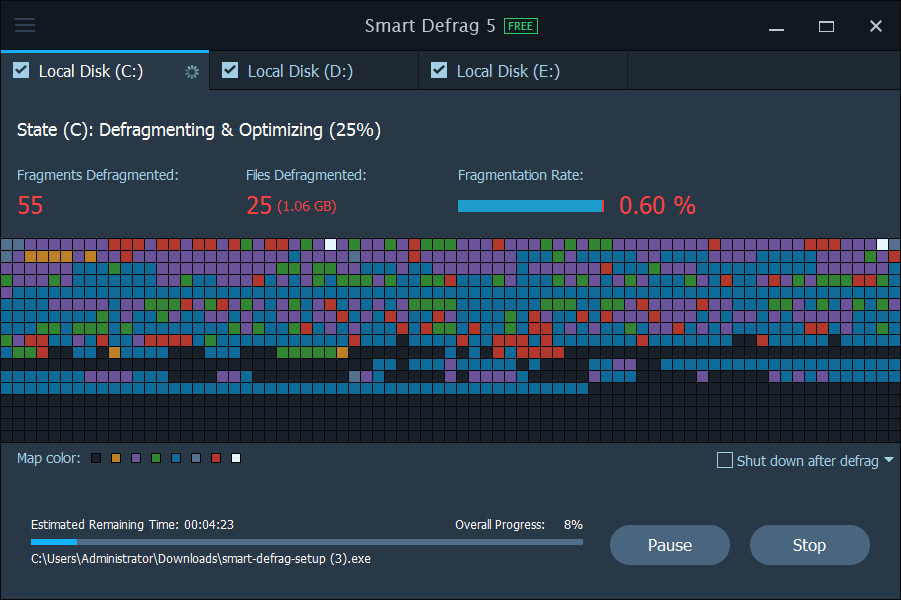
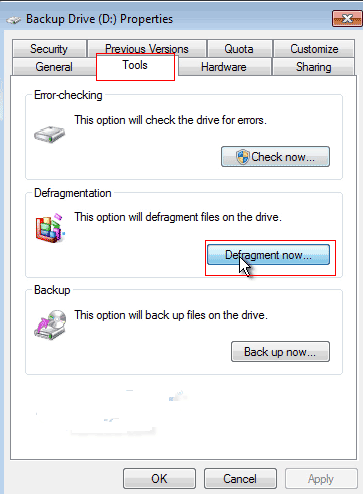
Windows' Optimize Drives tool distinguishes between hard drives and SSDs and schedules the appropriate maintenance. Do not run third-party defragmenters on an SSD. If the drive reports errors, makes unusual noises, or the computer freezes repeatedly, back up important data and use the device maker's diagnostics or qualified service.
Keep security and updates enabled
Do not disable Windows Update, Microsoft Defender, or the firewall to make a PC faster. Check Task Manager to see whether a security scan or update is temporarily using resources, allow it to finish, and restart if prompted. If you suspect malware, run a scan with Windows Security rather than uninstalling protection.
Consider upgrades only after diagnosis
If memory or storage is consistently the bottleneck, a compatible upgrade may help. Check the exact model's upgrade limits and back up data first. Hardware age alone does not prove a component is faulty, and there is no guaranteed one-step speed increase.
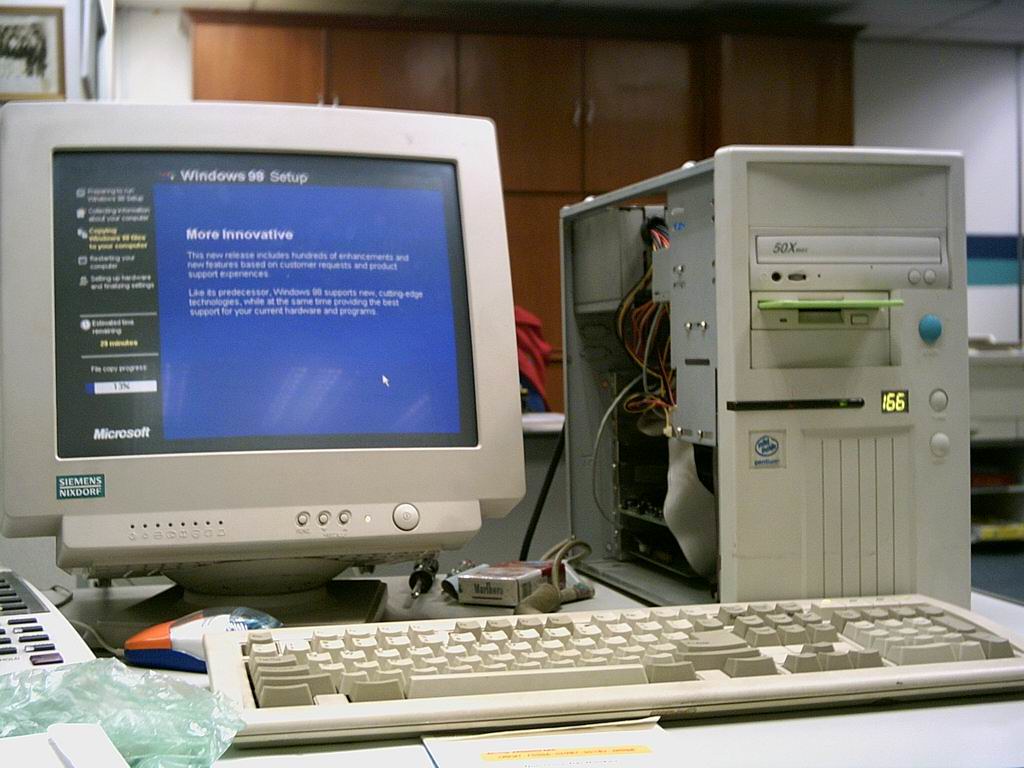
The screenshots show older Windows interfaces and may not match current menus.
Related Articles
 Your computer is slow - Cause and an effective, simple fix
 Why Is My Laptop So Slow? 12 Safe Fixes in Diagnostic Order
 Why Your Computer Is Slow and How to Fix It
 How to check whether your browser is slowing down your Windows PC
 What is the culprit consuming your bandwidth?
 Move Large Windows Folders to Another Drive with Symbolic Links
Reader Comments 0
Sign in with email or Google to join the discussion.