Table of Contents
If a computer freezes, first wait briefly and see whether it recovers. If only one app is stuck, close that app rather than immediately powering off the whole computer. A forced shutdown can lose unsaved work, so use it only when normal controls do not respond.
What to do when Windows freezes
- Wait a short time, especially if the computer is installing an update or handling a large task.
- Try Ctrl + Shift + Esc to open Task Manager. If it opens, select the unresponsive app and choose End task, understanding that unsaved changes in that app may be lost.
- If the screen appears frozen but Windows may still be running, Windows + Ctrl + Shift + B can reset the graphics driver on supported Windows systems. The screen may briefly go blank or beep.
- If nothing responds, hold the power button until the computer turns off. Wait a few seconds, then turn it back on. This is a last resort and may discard unsaved data.

Reduce recurring slowdowns
- Close apps and browser tabs you are not using. Check Task Manager for programs consistently using high CPU, memory, or disk activity.
- Restart the computer and install operating-system and app updates from trusted sources.
- Keep enough free storage for the operating system and applications to work normally.
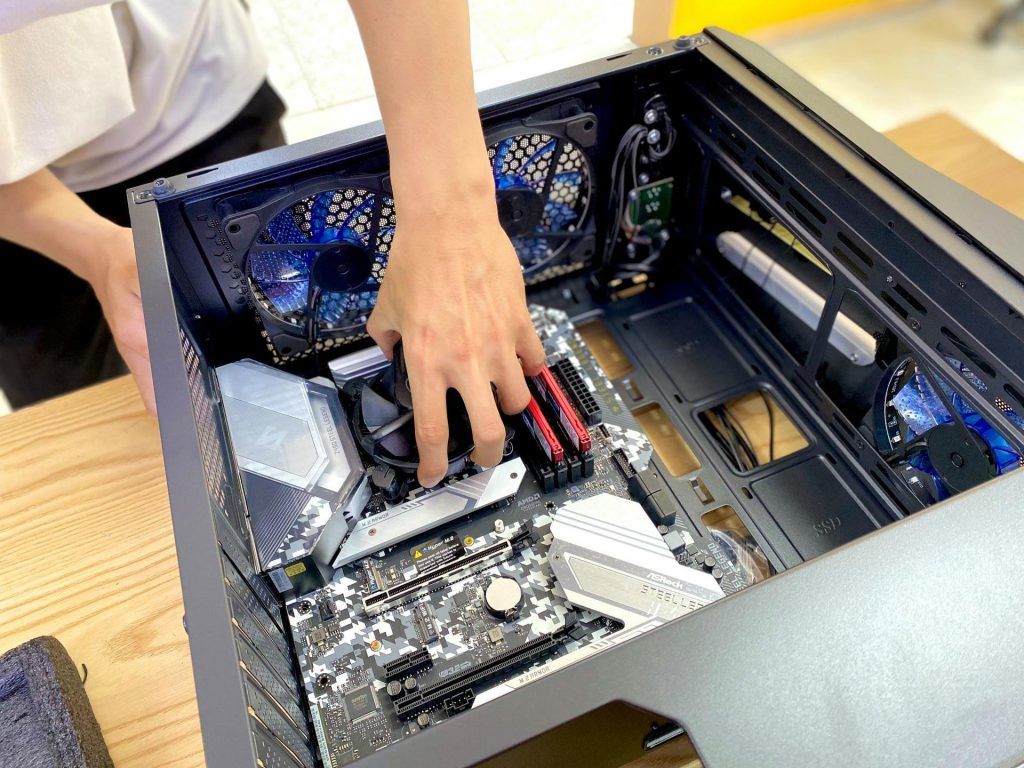
- If the computer gets unusually hot or its fan vents are blocked, shut it down and let it cool. Keep vents clear; have internal dust cleaned by a qualified technician if you are not comfortable opening the device.
- Run a scan with the security software already provided by your operating system or a trusted vendor if you suspect malware.
When to seek technical help
Back up important files if the computer still starts. Repeated freezes, blue-screen errors, unusual noises, or shutdowns can indicate a software or hardware problem. A technician can check the device before you replace parts or reinstall Windows. Do not reinstall the operating system as an early troubleshooting step; it can remove apps or data.

Related Articles
 How to fix a frozen Windows computer, freezes
 Top 8 solutions to fix Windows 10 freezing your computer
 Touchpad freezes: Causes and effective solutions
 How to Fix Outlook Freezing When You Attach a File
 5 Ways to Handle When Your Computer Cannot Enter Windows?
 How to Fix a Frozen Computer Without Losing More Data
Reader Comments 0
Sign in with email or Google to join the discussion.