Table of Contents
Overview
This guide explains how to connect Wi-Fi to a desktop computer in clear, practical terms. It covers the key concepts, recommended steps, common limitations, and useful checks so you can make a better-informed decision.
The trend of technology users today is to use wireless devices to optimize the working space, keeping the workspace organized. Going through a round of technology groups like VGS, young people today are trying to set up their working corner or gaming corner as neatly and minimally as possible. With a mouse and keyboard, it is simple, but what about connecting to the network with a desktop computer? Instead of having to pull tangled LAN cables around the house, you can completely connect to Wi-Fi to use. But how?
How can I connect my desktop computer to Wi-Fi?
In the past, to connect a desktop computer to the network, there was almost only one way: to plug in a LAN network. But in the era of technology explosion, now you have many ways to use Wi-Fi for your desktop computer.
1. Use motherboard with Wi-Fi
If you clearly define the initial purpose before building the configuration, you can choose to build a computer configuration using motherboards with built-in Wi-Fi.
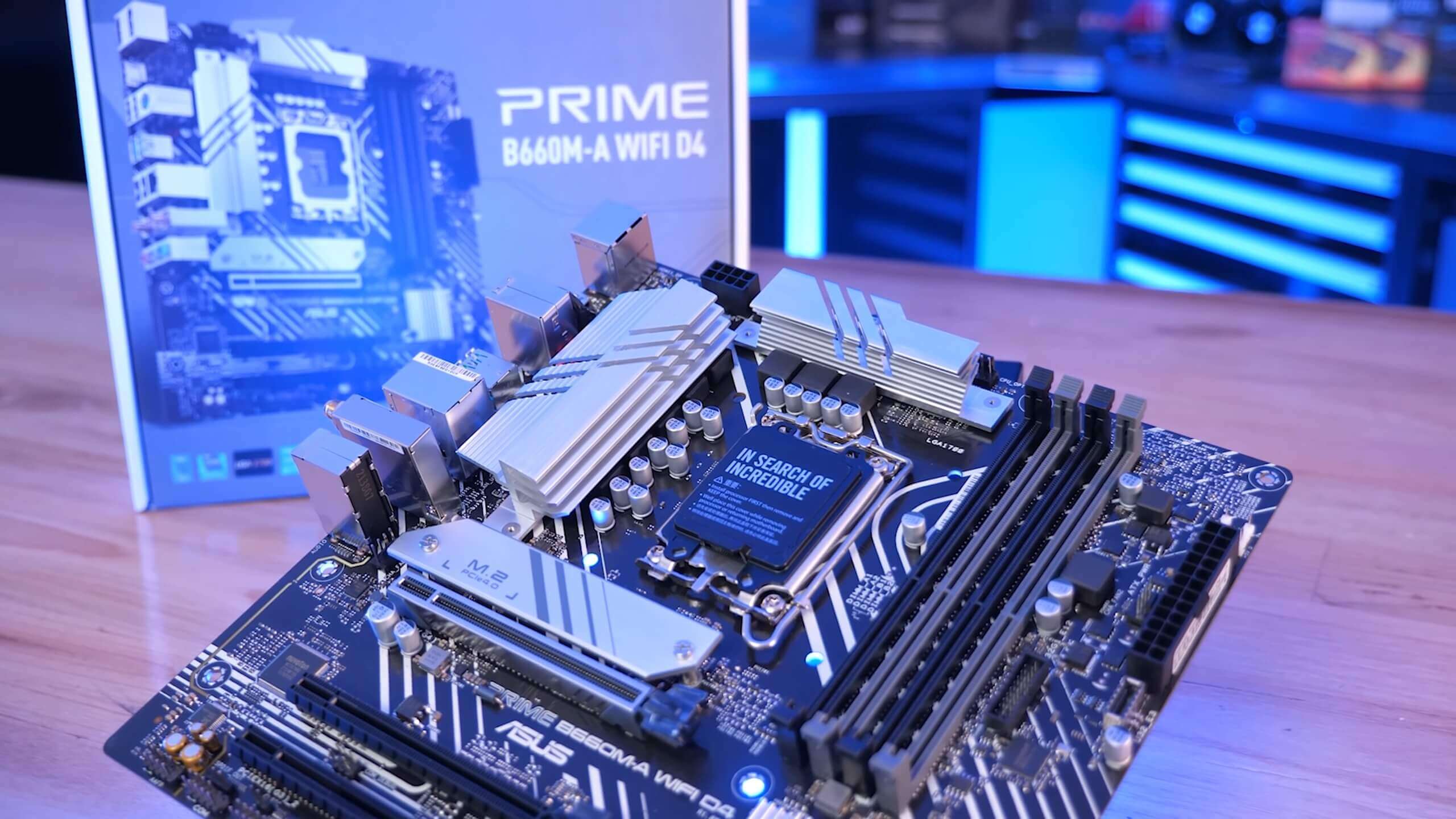
Depending on your needs, you can also build a strong enough configuration around the selection of these Wi-Fi mainboards. Some of the best Wi-Fi-supported mainboards you can choose from today are:
- MSI MPG Z490
- Gigabyte Z390 AORUS MASTER
- ASUS ROG Strix Z490
- MSI MPG Z390 Gaming Edge
- ASUS ROG Strix B550-F Gaming
- GIGABYTE B450 AORUS PRO
- MSI MAG A520M Vector
2. Use PCIe Wi-Fi card
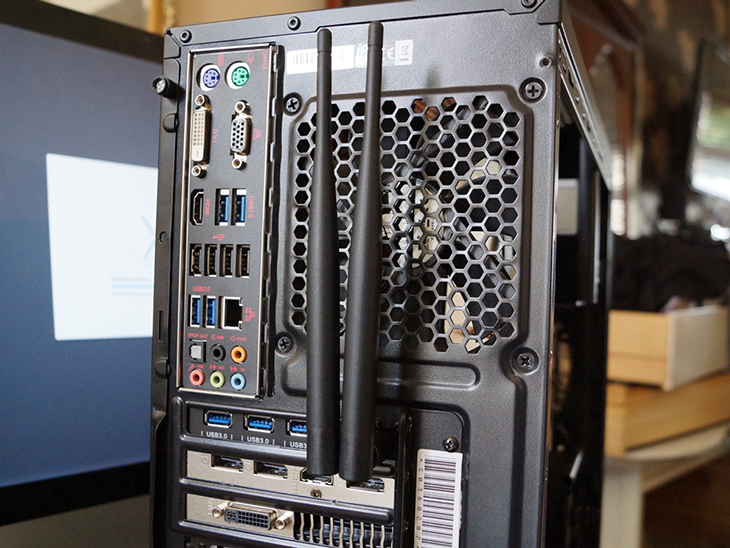
In addition to using motherboards with integrated Wi-Fi, you can also use Wi-Fi cards for other popular motherboards. This method is suitable for those who already have a computer configuration and do not want to change too many PC hardware components.
3. Use USB Wi-Fi receiver
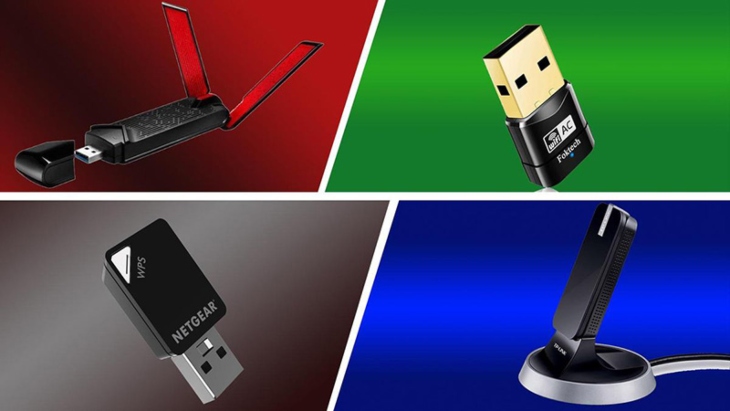
Compared to the above 2 methods, this method can be considered the simplest and most cost-effective. Using USB Wi-Fi is quite simple, you just need to operate like using a normal USB by plugging it into the available USB ports on the computer and then connecting to your Wi-Fi network.
How to connect Wi-Fi for desktop computer
Once your hardware has been ensured to have the above devices, connecting Wi-Fi to your desktop is quite simple. Similar to on a laptop, you just need to select the Wi-Fi name you want to connect to and enter the password to log in.
- Step 1: Click on the Wi-Fi icon in the bottom right corner of the Taskbar.
- Step 2: Select the wireless network to connect to, then press 'Connect'.
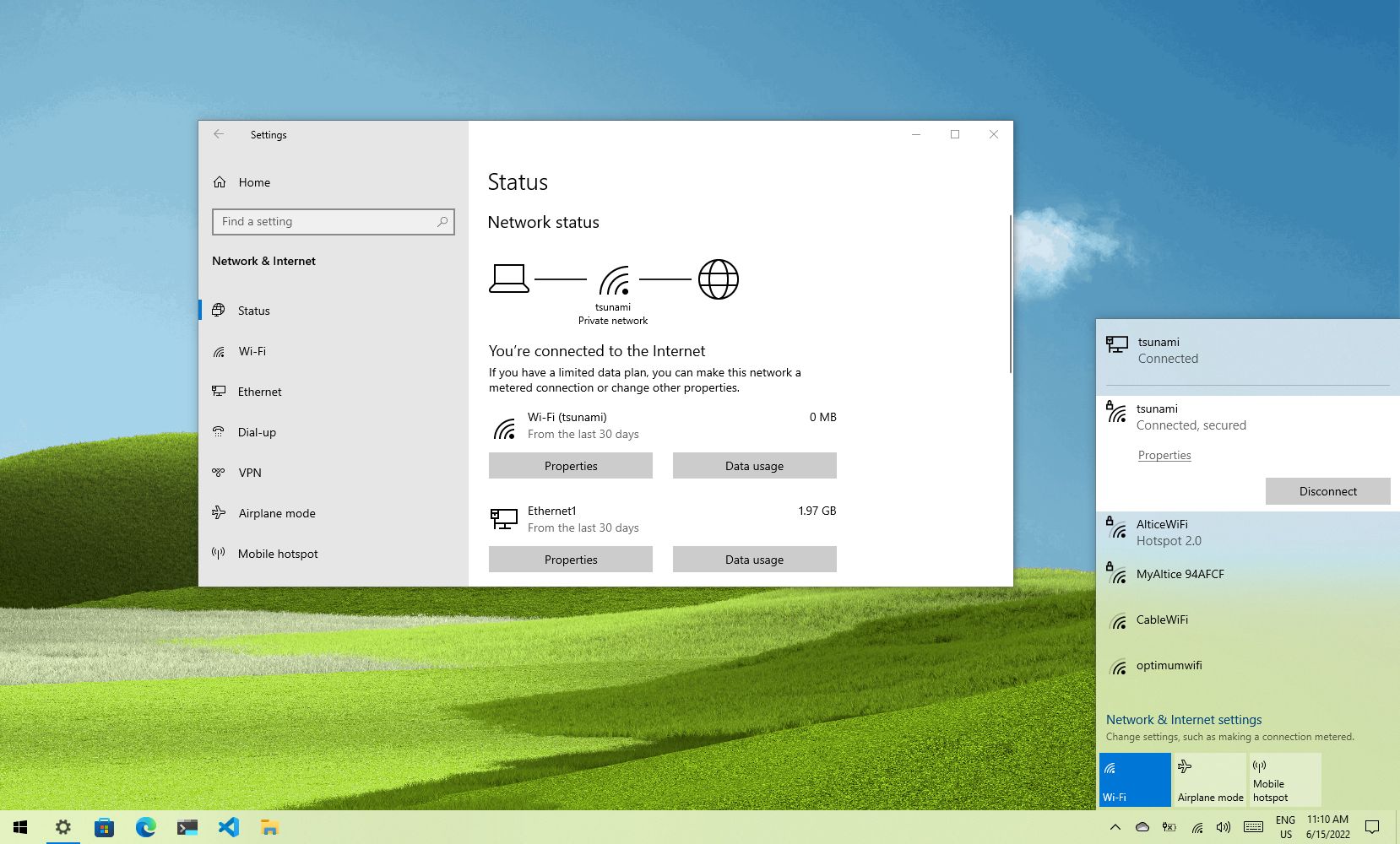
- Step 3: Enter the security password of the Wi-Fi network to connect to Wi-Fi.
Related questions
Can I play games on my desktop using Wi-Fi?
The speed of Wi-Fi on PC also depends on the bandwidth of the Wi-Fi package or your devices. If you own a strong enough Wi-Fi modem and hardware on your PC such as a good enough Wi-Fi card, you can completely play popular online games. But if you do not need to entertain but need to compete or climb the ranks, Ethernet connection with LAN connection will be more effective.
Is using Wi-Fi for PC slow?
Of course, no matter how good your Wi-Fi devices are, if you compare them frankly, they cannot be compared to Ethernet connections. However, if you use devices that support Wi-Fi 6, you will feel that it is not inferior to wired connections. According to the specifications, Wi-Fi 6 has a maximum speed of 9.6Gbps while 10G ethernet cards can reach transmission speeds of up to 10GBps.
Key Takeaways
Use the guidance above as a practical reference for connect Wi-Fi to a desktop computer. Check compatibility, follow the steps carefully, and verify important details with official documentation when software, security, accounts, health, or purchases are involved.
FAQ
How do I connect Wi-Fi to a desktop computer?
Follow the steps in this guide in order, confirm each setting before continuing, and save, restart, or reconnect the device when the instructions require it.
What should I check before I begin?
Confirm the correct device, account access, software version, compatibility, and a current backup whenever the process could affect files, settings, or security.
What should I do if the process does not work?
Repeat the steps carefully, check for model or version differences, install available updates, and consult the manufacturer's official support documentation.
Related Articles
 Additional Wi-Fi: How to Connect Wi-Fi to Desktop, PC7 minutes read
 9 Simple and Quick Ways to Connect Your Computer to Your TV12 minutes read
 Play Wi-Fi on Super Simple Computers with Mypubicwifi4 minutes read
 Connect Printer via Wi-Fi: How to Connect the Printer via Wi-Fi6 minutes read
 How to Connect a Computer to Wi-Fi Without a Password on Windows5 minutes read
 Ways to Connect to Wi-Fi for Desktop Pcs4 minutes read
Reader Comments 0
Sign in with email or Google to join the discussion.