Table of Contents
This practical guide explains how to use USB to create nas. Follow the steps in order, review the requirements first, and use the troubleshooting notes when a setting or option does not work as expected.
Most modern routers have a USB port, which you can use to share files over your home network. This USB port allows your router to perform additional tasks. To take advantage of this, you can connect an external SSD to your Wi-Fi router, creating a cheap and easy-to-use network-attached storage (NAS) that works for streaming, backing up, and sharing files between devices.
This approach is quick and cost-effective. You use existing hardware and the setup process is simple. Before investing in dedicated NAS hardware, try this method to see if network storage is right for your needs.
How to use router and SSD to create NAS
Start by connecting your SSD or USB drive to your router 's USB port. Some routers have an LED light that indicates when a USB device is properly connected. If the light doesn't come on, try unplugging and reconnecting the drive, or testing with a different USB cable.
Access Router Settings
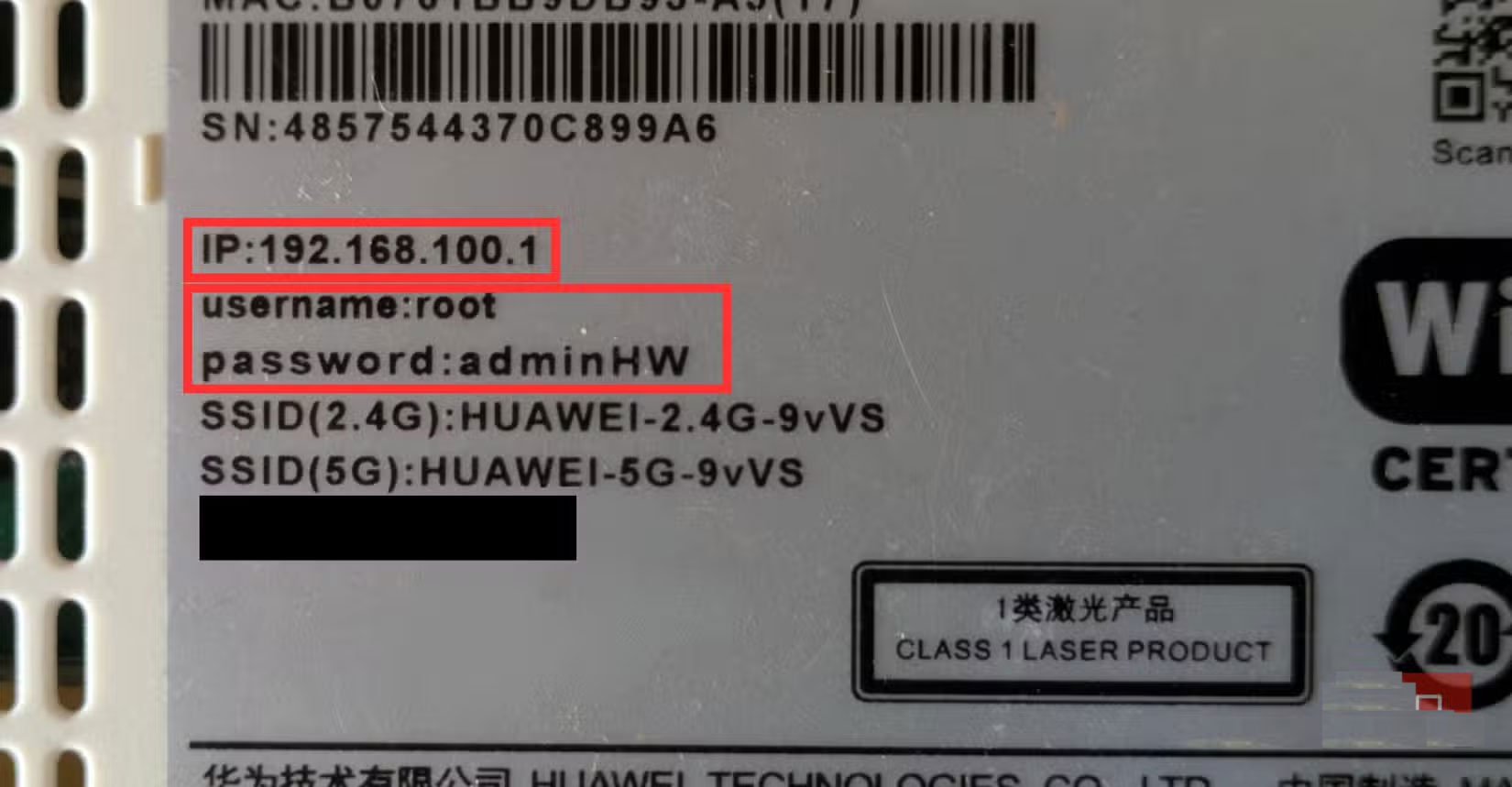
The next step is to log in to your router's admin panel. Open a web browser and type your router's IP address into the address bar. For most routers, this is either 192.168.1.1 or 192.168.0.1. If you're not sure, check the sticker on your router or look it up in your manual. In our example setup, the address is 192.168.100.1. Once the login page loads, log in with your admin username and password. Typically, both are either "admin" or "root." Again, check the sticker on the back of your router.
Find the USB storage management option
Once you're logged in, look for USB or storage management options. You'll usually find these options under Advanced Settings, but the menu names will vary depending on the brand. Look for a section that says Advanced , USB Settings , or Storage . In this section, you'll see options for features like DLNA (Digital Living Network Alliance) media sharing, SMB (Server Message Block) file sharing, or FTP (File Transfer Protocol) server options.
DLNA media sharing is typically limited to media files, including images, music, and videos. For true network storage, you should use SMB or FTP. You can enable SMB file sharing by enabling the Network Neighborhood option or the SMB sharing option. If you are using a cheap router that came with your ISP, you may not have the SMB sharing option. In this case, you will need to access the FTP configuration panel.
Here, select Enable FTP Server , then set a username and password. You should create a username and password to access the shared hard drive, even if you only use it at home.

Specify the folder path for the USB drive
Whether using SMB or FTP, you must specify the path to the folder you want to share by clicking an option like Browse or Search . This will open a directory tree with all the folders on the connected USB device. In the image below, the example has selected the shared storage partition of the SSD.

Configure access permissions based on your specific needs. You can set read-only access for some users or folders, and give full read-write access to others. If you're sharing media files that everyone can access, you may want to bypass authentication for those specific folders.
You'll then want to save your configuration by hitting Apply , then wait a few seconds for the FTP or SMB server to launch. You can then access your files in the file browser on your computer, whether it's Windows, Linux, macOS, or another operating system. Click Network in the navigation pane, select your SSD, and log in with the username and password you added to the server.
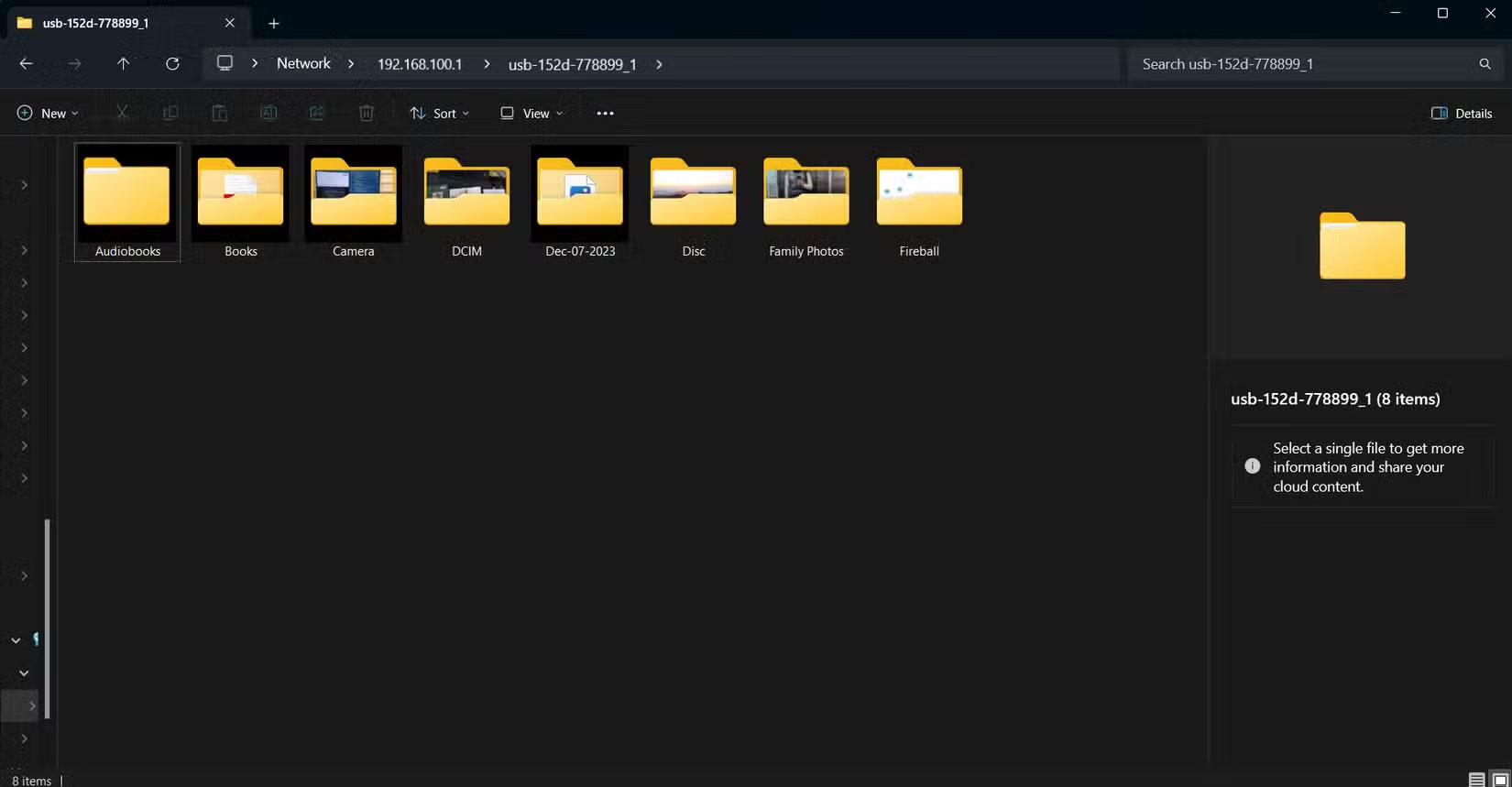
Or you can use a web browser to access the file. In the URL field, type "ftp://" followed by your router's port (e.g. 192.168.1.1), then press Enter and enter your login information to connect to the server. You should now have access to your file. Once connected, you can copy files in and out of the drive like any other folder on your computer.
FAQ
How to use router and SSD to create NAS?
Start by connecting your SSD or USB drive to your router 's USB port. Some routers have an LED light that indicates when a USB device is properly connected. If the light doesn't come on, try unplugging and reconnecting the drive, or testing with a different USB cable.
What should you know about access Router Settings?
The next step is to log in to your router's admin panel. Open a web browser and type your router's IP address into the address bar. For most routers, this is either 192.168.1.1 or 192.168.0.1. If you're not sure, check the sticker on your router or look it up in your manual. In our example setup, the address is 192.168.100.1.
What should you know about find the USB storage management option?
Once you're logged in, look for USB or storage management options. You'll usually find these options under Advanced Settings, but the menu names will vary depending on the brand. Look for a section that says Advanced, USB Settings, or Storage. In this section, you'll see options for features like DLNA (Digital Living Network.
What should you know about specify the folder path for the USB drive?
Whether using SMB or FTP, you must specify the path to the folder you want to share by clicking an option like Browse or Search. This will open a directory tree with all the folders on the connected USB device. In the image below, the example has selected the shared storage partition of the SSD.
Related Articles
 How to Use Firework to Create Web App Without Advertising8 minutes read
 How to Create SSH Key on Windows: Step-by-Step Guide11 minutes read
 How to Create a Sitemap for Websites7 minutes read
 Use Cmd to Create an 'Undeleted' Folder on Windows4 minutes read
 Anyone Can Create a Small and Simple Website with These 10 Websites10 minutes read
 20 Best USB Boot Software: What You Need to Know9 minutes read
Reader Comments 0
Sign in with email or Google to join the discussion.