Table of Contents
Gemini can help plan and edit a search-focused article, but it cannot supply firsthand experience or verify every claim. Start with the reader's question and reliable source material, then use the model to organize a useful draft. Google's guidance on generative AI content emphasizes accuracy, quality, and value for readers.
Build a brief before asking Gemini to write
- Identify the search intent. Is the reader trying to complete a task, compare choices, or understand a concept? Look at your own query data and relevant results; see keyword and intent research.
- Collect the facts, screenshots, examples, and source URLs that the article will need. Do not ask Gemini to invent tests, expert quotes, product specifications, or statistics.
- Give the model an audience, the exact question to answer, the facts it may use, and a useful output format.
- Review the outline, draft, and final copy yourself. Check claims against primary sources and test any steps before publishing.
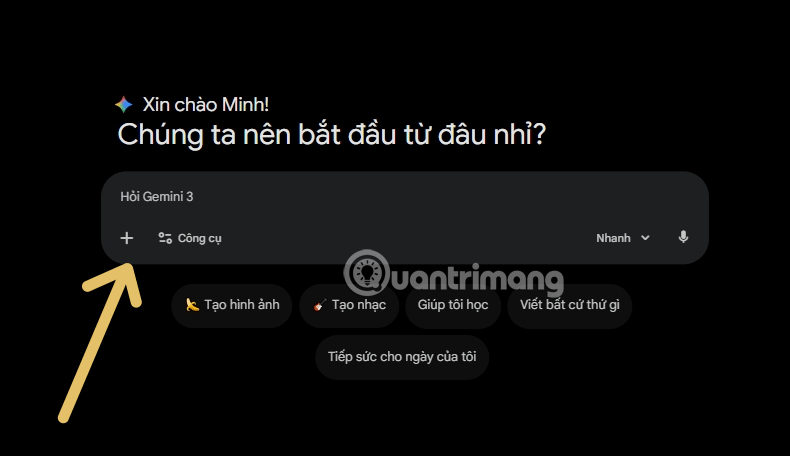
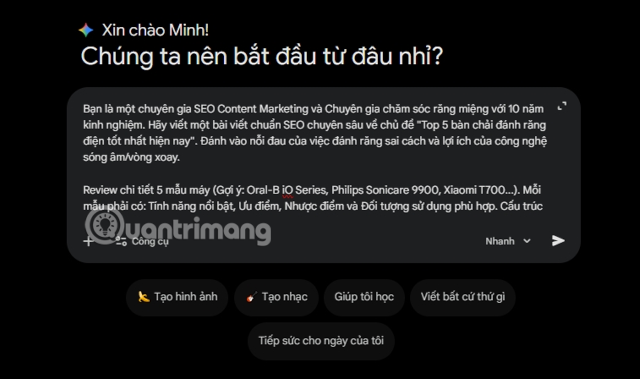
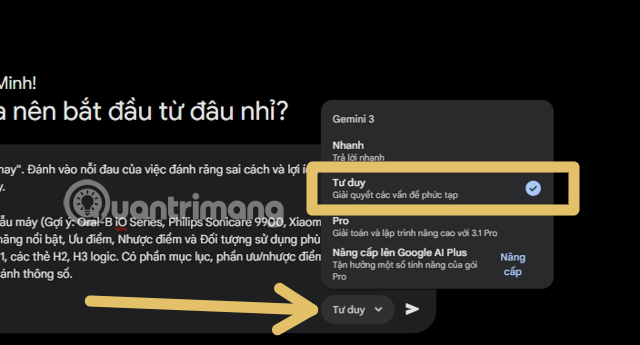
A safer prompt for a useful draft
Draft an outline for readers who want to [complete a specific task]. Use only the source notes below for factual claims. Open with a direct answer, then organize the steps in the order a beginner will do them. Mark unsupported details as "needs verification". Suggest two places where an original screenshot or tested example would help. Do not add a generic FAQ or fabricate experience.

Source notes: [paste verified notes and URLs]
Ask Gemini to identify what is still missing, then gather that evidence. If you are writing a product comparison, perform or clearly attribute actual testing and confirm current prices and features. An AI-generated “expert” section, invented figures, or an unverified product table should never be published as fact.
Edit for the reader and for search appearance
| Element | Editorial check |
|---|---|
| Title | Name the topic and benefit naturally; do not force a year or a rigid character target. |
| Description | Summarize what the page actually provides without promising unsupported results. |
| Headings | Follow the task or comparison; remove repetitive introductions and filler sections. |
| Links | Point readers to relevant supporting pages and original evidence. |
| Examples | Use tested steps, observed results, and transparent limitations. |
Google may generate a title link or snippet from page content, so a meta description is a useful suggestion rather than a guarantee or a fixed-length rule. See Google's snippet guidance and TipsMake's SEO basics.
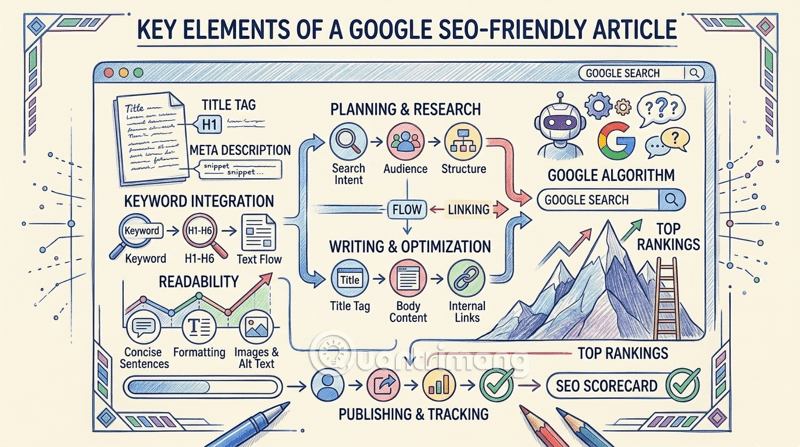
Use data to decide what to improve
In Search Console, inspect the page's queries, impressions, clicks, and indexing status. Use that evidence to find missing answers or confusing titles; do not assume Gemini can access live site data unless you provide an export through an approved workflow. Technical issues such as canonicals and crawl errors need validation in the actual site and Search Console, not a chatbot's guess. TipsMake's Search Console guide explains the reports.
Related Articles
 Gemini 3.1 Pro or Gemini 3 Pro: Better?8 minutes read
 4 Google Apps That Work Better with Gemini: Explained5 minutes read
 How to Turn Off Gemini in Google Docs10 minutes read
 How to use Gemini API14 minutes read
 The Gemini Prompt Creates Black and White Images in the Style of Film Noir9 minutes read
 What Is Google Gemini? How Does Gemini Work?6 minutes read
Reader Comments 0
Sign in with email or Google to join the discussion.