Table of Contents
This updated guide explains how to skew images in powerpoint with clear steps, practical tips, and useful context. When you want to add more appeal to objects in PowerPoint slides, a useful but often overlooked option is to tilt or distort images to create a more novel perspective, creating a 3D effect for the image. This guide explains how to tilting images in PowerPoint.
How to Tilt Images in PowerPoint
Step 1:
At the PowerPoint interface, users choose Insert and then choose Pictures to insert images into the slide.
Step 2:
select the image then select the Format tab , select Picture Effects > 3D Rotation .

Step 3:
Displays 3D effect options for images in PowerPoint slides. Users select effects to tilt the images in the slide.

Step 4:
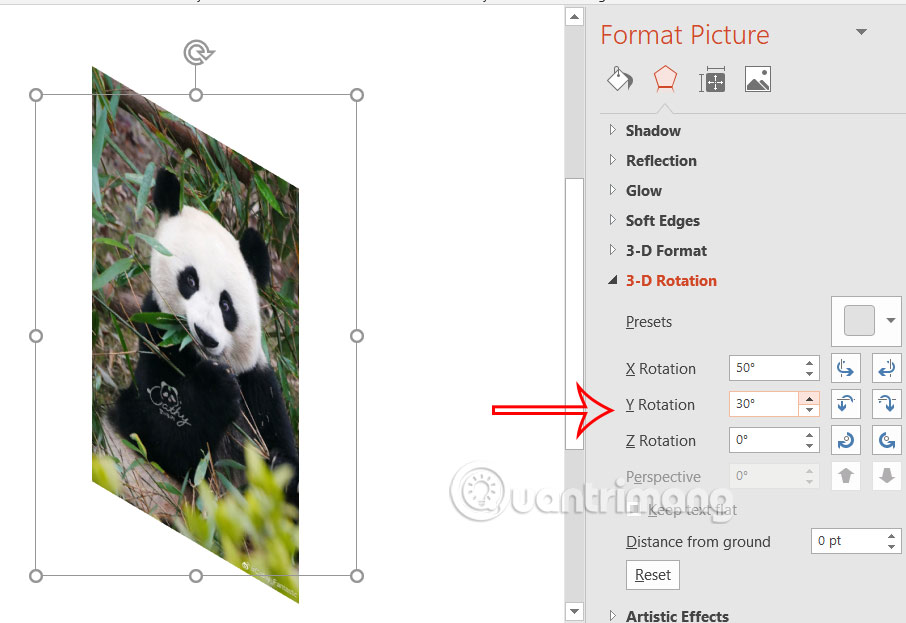
to customize the 3D effect further, select the image, then select the 3D Rotation effect, then choose 3D Rotation Options . Then on the right side of the screen, adjust the tilt angle for the image.
How to Tilt an Image in PowerPoint via Shapes
Step 1:
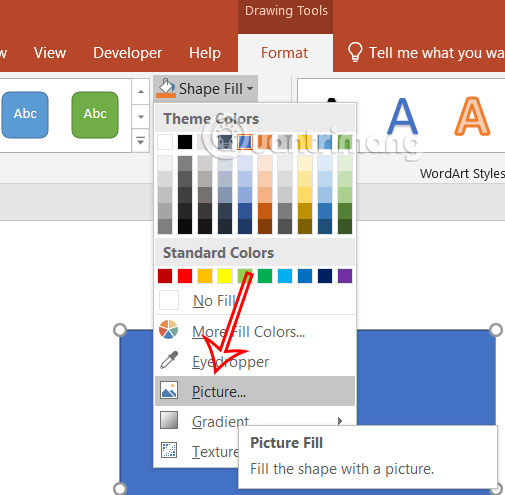
We choose Insert and select Shapes and select the shape to insert into the slide . select the newly added shape, then select Format > Shape Fill > Pictures to insert the image into the shape.
Step 2:
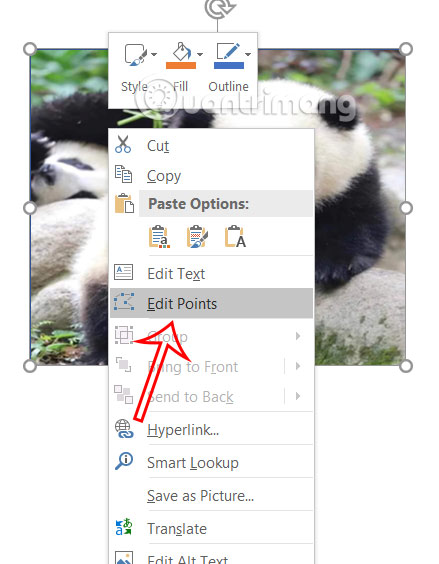
Select the image you want to insert into the shape. Right-select the shape with the image and select Edit Points .
Step 3:
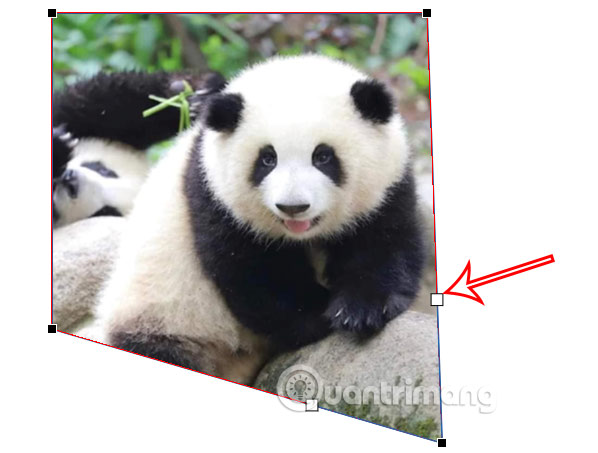
Then you will see the border around the image and we will adjust by dragging or shrinking the border to create a tilt effect for the image, or even adjust to create a different image for the image.
FAQ
What should I prepare before I skew images in powerpoint?
Review the requirements and options in the guide first. Having the correct device, app version, account access, or materials ready helps prevent avoidable errors.
How long does it take to skew images in powerpoint?
The time depends on the task and your setup. Most basic steps can be completed quickly, while downloads, updates, scans, or troubleshooting may take longer.
What should I do if the steps do not work?
Repeat the instructions in order, confirm that your software or device is supported, and check permissions, connectivity, and available updates before trying again.
Related Articles
 PowerPoint 2019 (Part 14): Inserting Images: Explained7 minutes read
 How to Put a Picture Behind Text in PowerPoint8 minutes read
 How to Insert Text into Images in PowerPoint: PowerPoint Tips4 minutes read
 How to Insert Images Below the Word on PowerPoint: PowerPoint Tips4 minutes read
 PowerPoint 2019 (Part 1): Getting Started with PowerPoint: Explained7 minutes read
 PowerPoint 2019 (Part 15): Image Formatting: Explained7 minutes read
Reader Comments 0
Sign in with email or Google to join the discussion.