Table of Contents
This updated guide examines How to Take a Snapshot of a Video Running in Windows Media Player and organizes the essential facts, background, and practical takeaways in clear American English.
Method 1of 2:
Windows 10
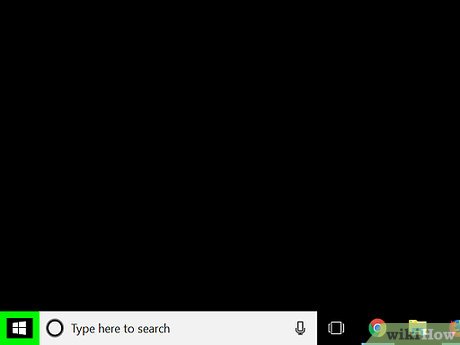 Open Start
 . Click the Windows logo in the bottom-left corner of the window.
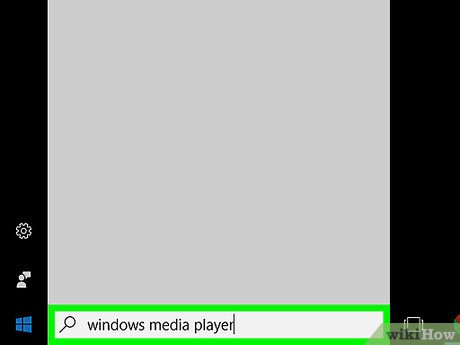 Type inwindows media player. Doing so will search your computer for the Windows Media Player application.
- Windows Media Player doesn't come included in most Windows 10 computers unless you upgraded to Windows 10 from Windows 7.
 ClickWindows Media Player. It's a blue icon with an orange-and-white "Play" button on it. Windows Media Player will open.
- If you don't see Windows Media Player in the search results, it isn't installed on your computer and you won't be able to use WMP on your current computer.
 ClickVideos. It's a tab in the upper-left side of the WMP window.
- If this is your first time opening Windows Media Player in a while, the Videos tab may take several minutes to load.
 Open a video that you want to watch. Double-click the video for which you want to take a snapshot.
 Go to the point in the video that you want to screenshot. Click and drag the slider at the bottom of the Windows Media Player window to the right until you arrive at the frame that you want to screenshot.
 Pause the video. Click the "Pause" button at the bottom of the window, or press the space bar on your computer's keyboard.
 Full-screen the video if needed. Simply double-click the middle of the video's window.
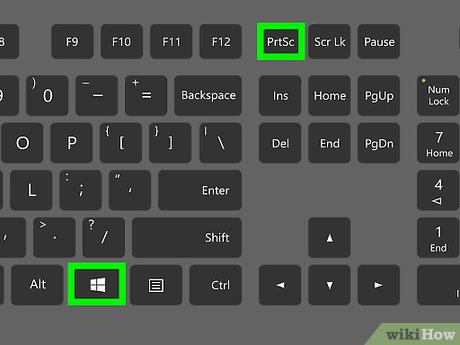 Press the⊞Winkey and thePrtScnkey at the same time. The⊞Winkey is in the bottom-left side of the keyboard, while thePrtScn("Print Screen") key is in the upper-right side of the keyboard. You should see the screen dim for a brief moment, signifying that the screenshot has been taken.
- You can find the screenshot in your computer's "Screenshots" folder, which will appear in the "Pictures" folder after you've taken at least one screenshot.
- ThePrtScnkey may also have Prt Sc or Prt Scr on it.
- If you don't have thePrtScnbutton on your keyboard, try the Snipping Tool method in the next section of this article.
Method 2of 2:
Windows 7
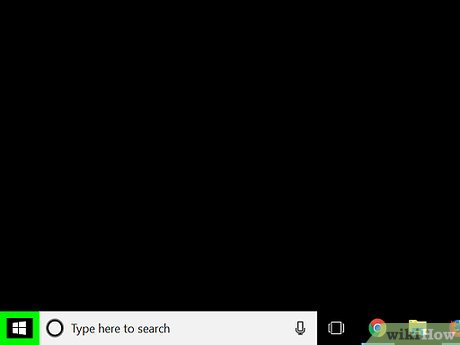 Open Start
 . Click the Windows logo in the bottom-left corner of the screen.
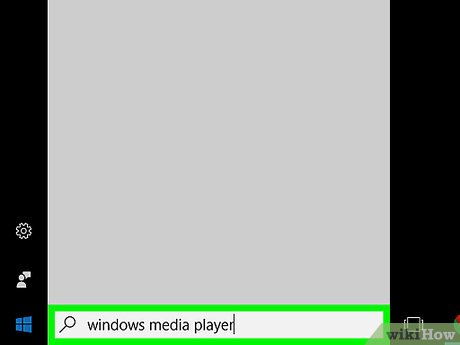 Typewindows media playerinto Start. Doing so will search your computer for the Windows Media Player program.
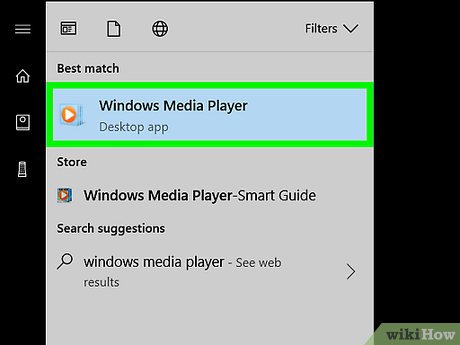 ClickWindows Media Player. It's a blue icon with an orange-and-white "Play" button on it. Windows Media Player will open.
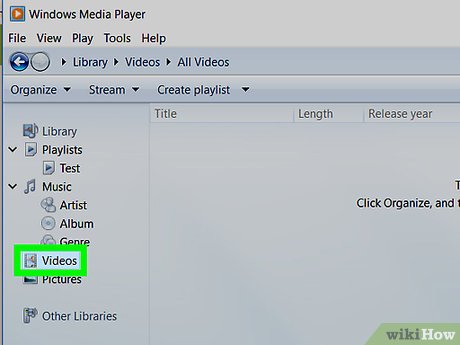 ClickVideos. It's a tab in the upper-left side of the WMP window.
- If this is your first time opening Windows Media Player in a while, the Videos tab may take several minutes to load.
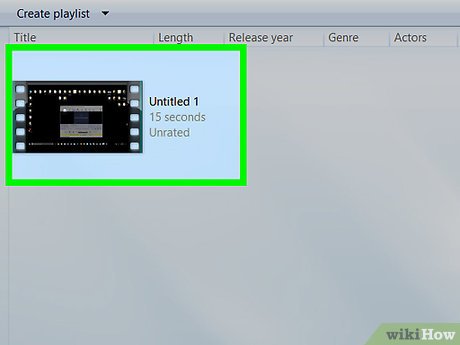 Open a video that you want to watch. Double-click the video for which you want to take a snapshot.
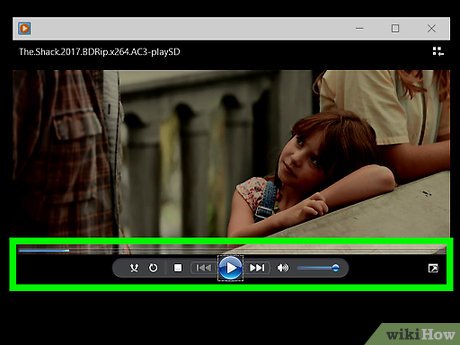 Go to the point in the video that you want to screenshot. Click and drag the slider at the bottom of the Windows Media Player window to the right until you arrive at the frame that you want to screenshot.
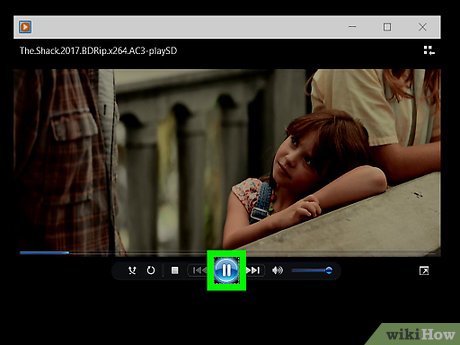 Pause the video. Click the "Pause" button at the bottom of the window, or press the space bar on your computer's keyboard.
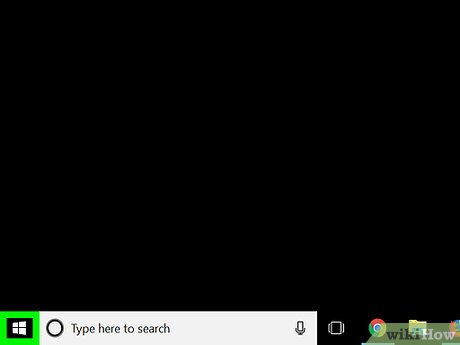 Open Start
 .
.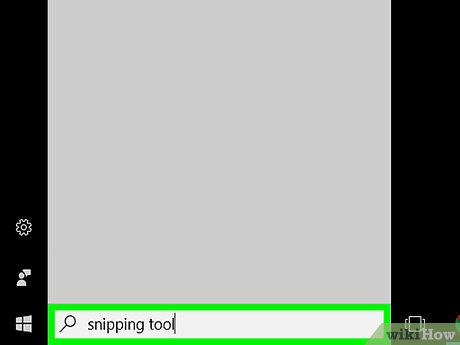 Type insnipping tool. This will search your computer for the Snipping Tool app, which is the best way to take screenshots in Windows 7 (or Windows 10 if you don't have a "Print Screen" button).
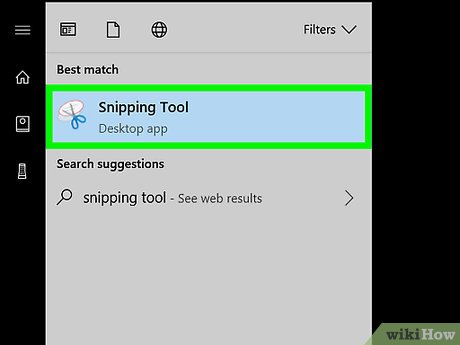 ClickSnipping Tool. It resembles a pair of scissors. You'll find this at the top of the window.
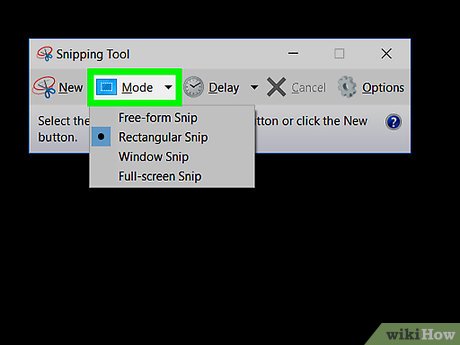 Click
Click . This arrow is to the right of the New button in the top-left corner of the Snipping Tool window. A drop-down menu will appear.
- On Windows 10, this arrow is next to the Mode button.
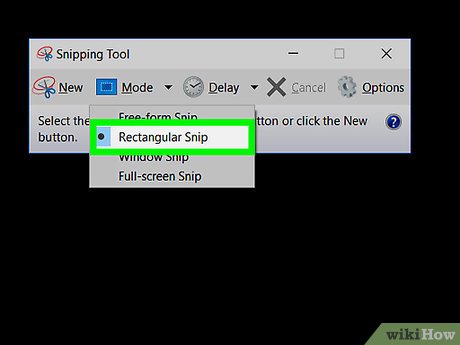 SelectRectangular Snip. It's in the drop-down menu. This option will allow you to draw a box around the area that you want to screenshot without including non-video sections of the screen.[1]XResearch source
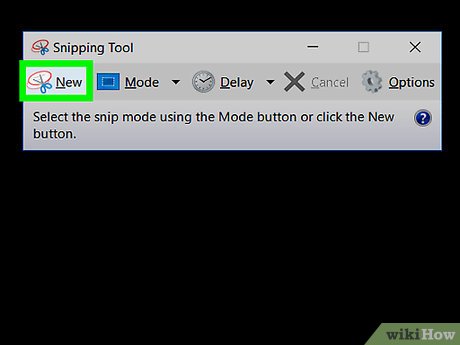 ClickNew. It's in the top-left corner of the Snipping Tool window.
 Select the Windows Media Player window. Click the top-left corner of the video's window and drag down into the bottom-right corner of the window.
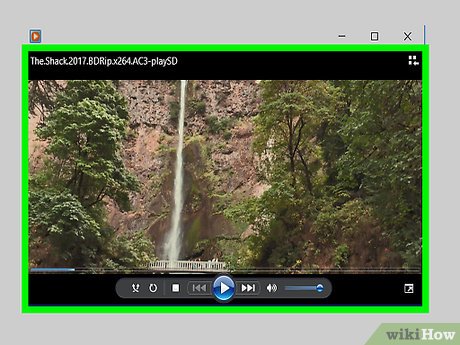 Release the mouse button. Doing so will take a screenshot of everything inside of the rectangle that you drew.
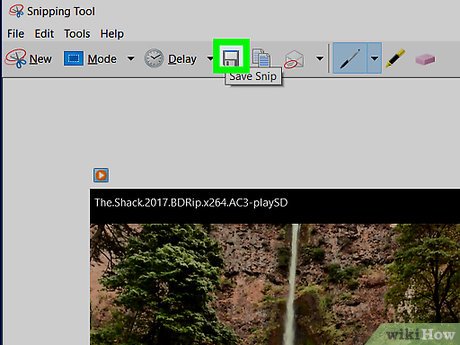 Click the "Save" button. It's a square, floppy disk-shaped item at the top of the Snipping Tool window.
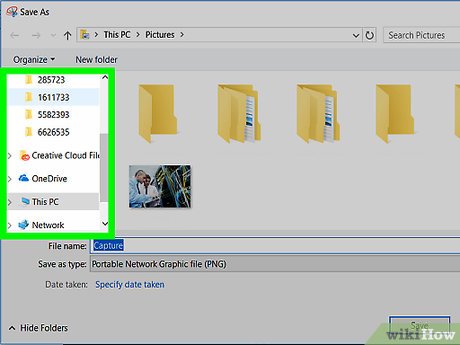 Select a save location. Click a folder on the left side of the window to set it as the place in which you'll save your screenshot.
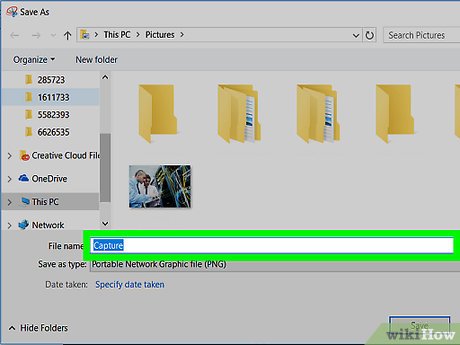 Enter a name. Type a name for your screenshot into the "File name" text box.
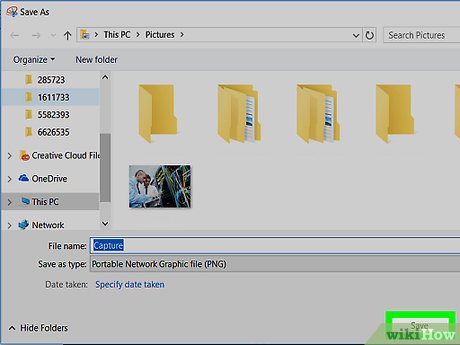 ClickSave. It's in the bottom-right corner of the window. Doing so will save your snapshot in the selected folder under the name that you chose.
FAQ
What is How to Take a Snapshot of a Video Running in Windows Media Player about?
It provides a structured overview of windows, explains the main context, and highlights practical takeaways for readers.
Why does this topic matter?
Understanding the main concepts helps readers evaluate the issue, avoid common mistakes, and make better-informed decisions.
How should readers use this information?
Use the guidance as a practical starting point, confirm details that may have changed, and follow current product, safety, or security recommendations.
Related Articles
 8 Tips to Make VLC the Best Open-source Media Player9 minutes read
 Advanced Tricks Use VLC Media Player15 minutes read
 Summary of Shortcuts in Windows Media Player5 minutes read
 Set Up VLC Media Player as the Default Multimedia Player on4 minutes read
 Instructions for Rotating Videos Are Inverted and Inclined by VLC4 minutes read
 22 Shortcuts to VLC for Windows and Mac8 minutes read
Reader Comments 0
Sign in with email or Google to join the discussion.