Table of Contents
This updated guide examines How to Insert a Dotted Line in Word and organizes the essential facts, background, and practical takeaways in clear American English.
Method 1
Using a Keyboard Shortcut
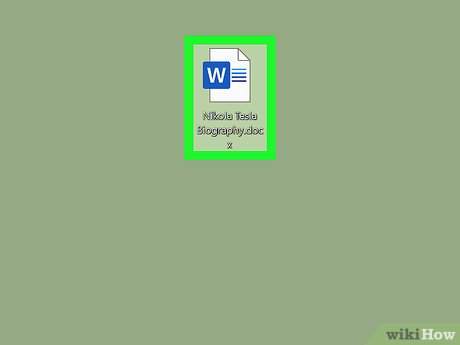 Open the Word document you want to edit. Find and double-click the document on your computer, or open the Word app, and select the document you want to edit.
- Alternatively, you can open a new, blank document.
- You can use this keyboard shortcut in all desktop and mobile versions of Word.
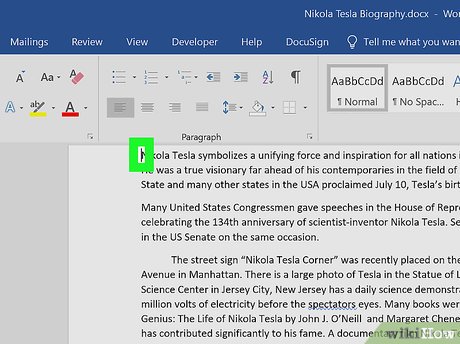 Click where you want to add the dotted line. You can create a dotted, horizontal line anywhere on the page.
 Type***on your keyboard. This shortcut will allow you to create a dashed line across the page.
- Alternatively, you can use---,===,___,###, or~~~for different line styles.
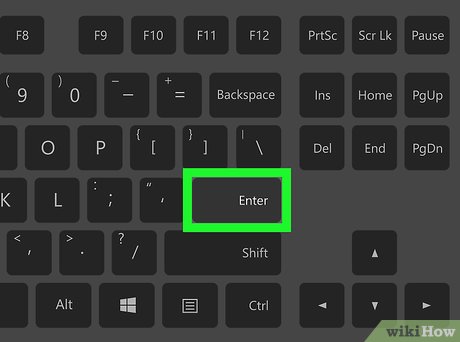 Press↵Enteror⏎Returnon your keyboard. This will create a horizontal, dotted line across the page.
Method 2
Using the Insert Tool on Desktop
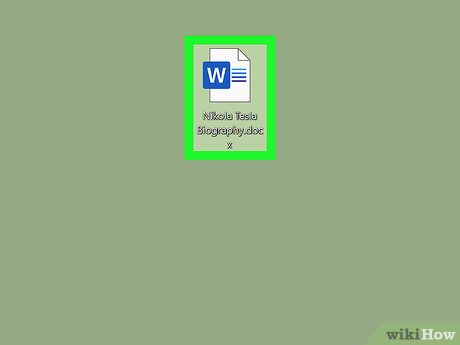 Open the Word document you want to edit. Find and double-click the document on your computer, or open the Word app, and select the document you want to edit.
- Alternatively, you can open a new, blank document.
 Select theInserttab on the toolbar. You can find this button above the toolbar panel at the top.
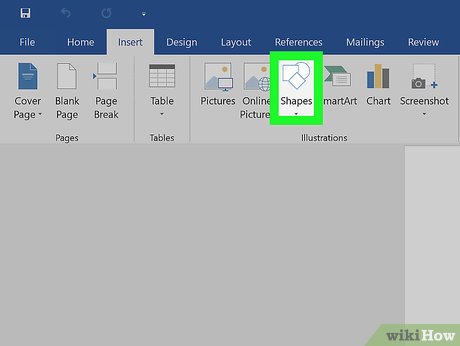 SelectShapeson the Insert toolbar. This button looks like a triangle, square and circle on the toolbar panel. It will open a pop-up menu of shapes.
 Select the type of line you want to add. You can make any line dotted later.
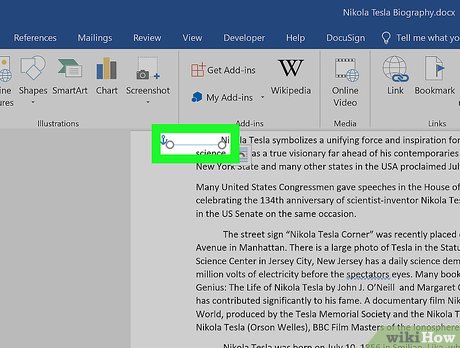 Click and draw a line on the document. After selecting a line shape, use your mouse to draw a line wherever you want on the document.
- After drawing, you can click and drag the corners of the line shape, and change its size, angle, or position.
- You can click and drag the line anywhere on the document.
 Right-click on the line. This will open your right-click options on a drop-down menu.
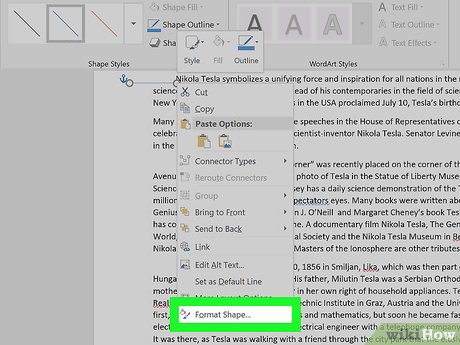 ClickFormat Shapeon the right-click menu. This will open the formatting panel on the right-hand side.
 Click theDash typeselector on the formatting panel. This will show your dot and dash options.
- If you don't see this option at first, click the paint bucket icon on the top-left of the "Format Shape" panel, and click Line on this menu to extend your options.
 Select a dot or dash type. This will instantly turn your line into the selected dot or dash style.
- You can further adjust your line's Width , Transparency , and other properties here.
Method 3
Using the Insert Tool on Mobile
 Open the Word app on your phone or tablet. The Word icon looks like a blue-and-white document page. You can find it on your home screen or on the Apps tray.
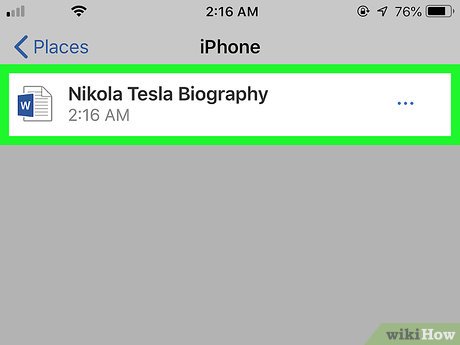 Select the document you want to edit. This will open the document.
- Alternatively, you can create a new, blank document.
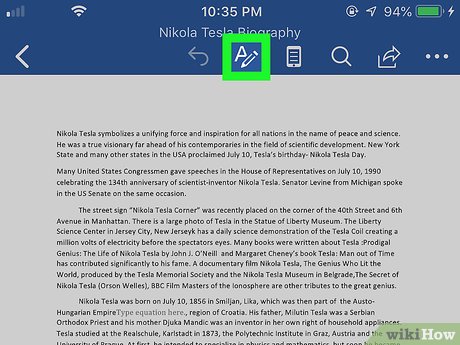 Tap the "Edit" icon at the top. It's on the blue toolbar at the top. This will open the editing menu in the bottom half of your screen.
- On iPhone/iPad , this button looks like a white " A " and a pencil icon on the blue toolbar.
- On Android , you may find the same icon or just a white pencil.
 Tap theHomebutton. It's in the upper-left corner of the toolbar menu at the bottom. This will open your toolbar tabs.
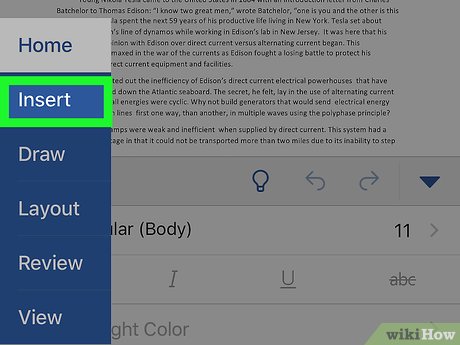 SelectInserton the toolbar menu. This will open the available options.
 SelectShape. This will open a menu with all the available shapes you can add.
 Select the type of line you want to add. This will add the selected line to your document.
- You can add dots to your line later.
 Drag the blue end-points of the line to adjust the line (optional). You can adjust the size and position of your line from the blue dots on both ends of the shape.
- You can also do this after adding dots to your line.
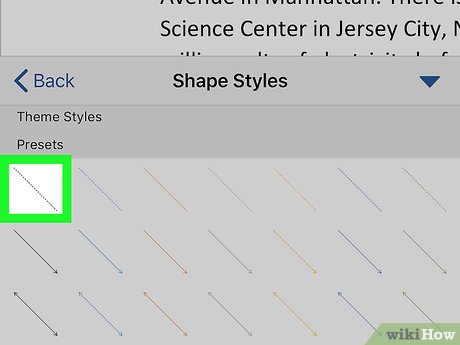
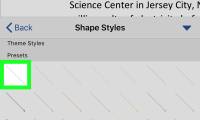
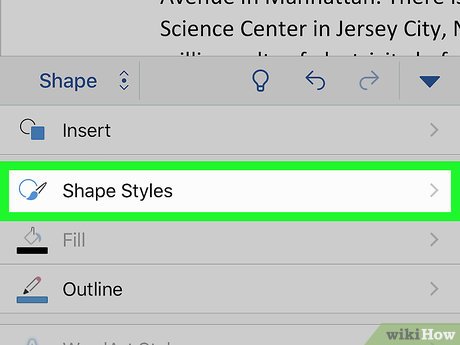 TapShape Styleon the Shape menu. This will open all the available styles for your line.
- Select a dotted style. This will turn the selected line into a dotted line. You can size and position it however you want.
FAQ
What is How to Insert a Dotted Line in Word about?
It provides a structured overview of line, explains the main context, and highlights practical takeaways for readers.
Why does this topic matter?
Understanding the main concepts helps readers evaluate the issue, avoid common mistakes, and make better-informed decisions.
How should readers use this information?
Use the guidance as a practical starting point, confirm details that may have changed, and follow current product, safety, or security recommendations.
Related Articles
 How to Insert a Dotted Line in Word: Step-by-Step Guide6 minutes read
 How to Type a Dot in Word Extremely Quickly: Step-by-Step Guide3 minutes read
 Create a Quick Dot (……………) LINE in Microsoft Word4 minutes read
 How to Create Dotted Line in Excel4 minutes read
 Create Dotted Lines (......) in Word3 minutes read
 Create Dots in Word, How to Create Dots Lines, Tab Line Dots (.....) in3 minutes read
Reader Comments 0
Sign in with email or Google to join the discussion.