Table of Contents
This guide explains how to resolve Wdf01000. Sys Error in Windows, starting with the most likely causes and moving through practical troubleshooting steps.
What is Wdf01000. sys?
Wdf01000. sys is a driver for Windows, part of what Microsoft calls the Windows Driver Framework. When it works properly, you don't realize it's being used.
All current users of Windows 10, Windows 8, and Windows 7 will likely find at least some references to wdf01000. sys in the system.
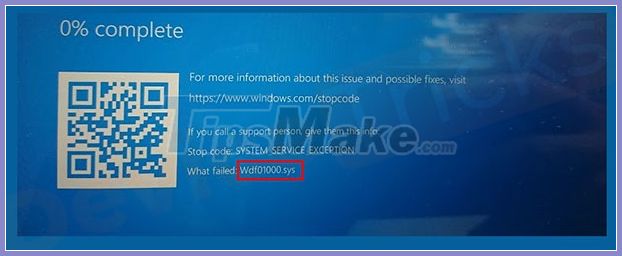
How does wdf01000. sys error happen?
This error can occur for any reason, including outdated drivers on an old device, malware downloaded accidentally, and corrupted files.
In addition, these errors can occur at any time, not only when starting programs, plugging in devices but also when you perform specific actions.
While the error can be listed in a number of ways, wdf01000. sys is usually in the text of the crash dump or error code, cited at the end of the error message.
How to fix wdf01000. sys error
Driver wdf01000. sys is standard software and preventing or fixing errors is consistent across all versions of Windows.
1. Use System Restore
Restore your computer to a previous system restore point and reinstall any new software or drivers you added.
By restoring the system to an earlier time, you can remove the update or code that caused the error.
2. Restart the computer
First, disconnect all devices. After the computer reboots, reconnect each device until the error recurs, then update the device's drivers.
This helps isolate the driver that caused the error. While it may take extra time to examine each ingredient, this should get you right to the source of the problem.
3. Scan for viruses
Once the scan is complete, take any required corrective action. Malware can cause all errors and problems with the computer.
A thorough and regular malware scan can also prevent many problems.
4. Check for damaged or outdated drivers
Use Device Manager to display the drivers installed on the computer. Damaged and outdated drivers are marked with a yellow exclamation mark.
Damaged or outdated drivers cause this kind of problem and updating the driver will prevent the error and any problems related to it.
5. Repair Windows system files
Use Windows System File Checker (SFC) to repair corrupted files. Corrupt files are also worse (or worse) than outdated ones.
Corrupted files on the system can cause errors and problems with other software on the system.
6. Run Check Disk
This command scans for corrupt files. In many cases, checking the system with Check Disk will isolate and fix these problems.
7. Re-register wdf01000. sys
Use the System Registry to do this task.
Important Note : Always locate reinstallation and system backup files before making changes to the registry. Registry is a complex part of Windows Supported operating systems and making the wrong changes can cause more problems.
8. Reinstall Windows
When the above steps fail, this last option usually prevents the problem from happening again. When the reinstallation is complete, restore the files from the backup.
Reinstalling Windows means everything on your computer will be erased, so make sure you have a current backup of your files and apps before you start.
FAQ
What usually causes Wdf01000. Sys Error in Windows?
The cause may involve incorrect settings, outdated software, damaged files, permission problems, device compatibility, or a temporary system issue.
What should I try first to resolve Wdf01000. Sys Error in Windows?
Restart the affected app or device, install pending updates, verify settings and connections, and follow the troubleshooting steps in order.
How can I prevent the issue from returning?
Keep software updated, maintain backups, avoid interrupted installations, and review system or device settings after major changes.
Related Articles
 How to Fix 'This App Can't Run on Your PC' Error on Windows6 minutes read
 How to Fix 'an Operating System Not Found' Error on Windows 103 minutes read
 Steps to Fix Error 0x8004fc12 on Windows 115 minutes read
 How to Fix VPN Error 6195 minutes read
 Why Do Your Windows Updates Keep Failing (It's Not the Internet)6 minutes read
 Steps to Fix Errors 0xc0000225 on Windows Vista // 7/8 // 8.1 //9 minutes read
Reader Comments 0
Sign in with email or Google to join the discussion.