Table of Contents
Overview
This guide explains how to fix unformatted hard drive in clear, practical terms. It covers the key concepts, recommended steps, common limitations, and useful checks so you can make a better-informed decision.
A normally working drive can allow us to use the Format operation to erase data. But when an error occurs, this seemingly simple operation is difficult to operate normally, making users quite frustrated and uncomfortable. So what is the cause of this situation? How to handle it?
Reasons why hard drive cannot be formatted
As an electronic component, when there is a problem, it can originate from many causes. However, according to the opinions of experienced technicians at this guide, the main causes of hard drives not being able to format are the following cases:
- Hard drive infected with viruses, trojans, malware
- Hard drive is missing or damaged DLL, SYS, EXE files.
- The specified partition format is incorrect.
- Driver is incompatible or too old.
- Hard drive formatted incorrectly.
- Protected hard drive cannot be written to or erased
How to fix hard drive cannot format error
For most users, common Windows errors can be resolved by reinstalling Windows or updating the software. However, if you have tried many ways but cannot format the hard drive, you can apply the following methods.
Remove drive protection
During use, it is very possible that you accidentally or external software installs hard drive protection functions, disabling the ability to delete or write data. To remove this feature, do the following:
- Open the Run dialog box with the shortcut Window + R
- Type diskpart then press Enter
- In the Diskpart dialog box, type list disk and press Enter to display the list of hard drives.
- In the list of hard drives, identify the hard drive that needs to be formatted, type select disk x and press Enter (for example select disk 0 > Enter)
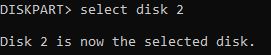
- Run the command attributes disk clear readonly
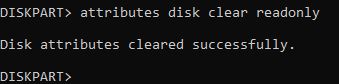
- Wait for the processing to complete -> type Exit press Enter then close Diskpart.
Reformat the drive
The drive is formatted incorrectly or not formatted correctly according to Bios or Windows standards, which will also cause the hard drive to not be able to be formatted. In this case, do the following:
Step 1: Open Disk Management by right-clicking on the Windows window icon in the left corner and selecting Disk Management
Step 2: A list of drives appears.
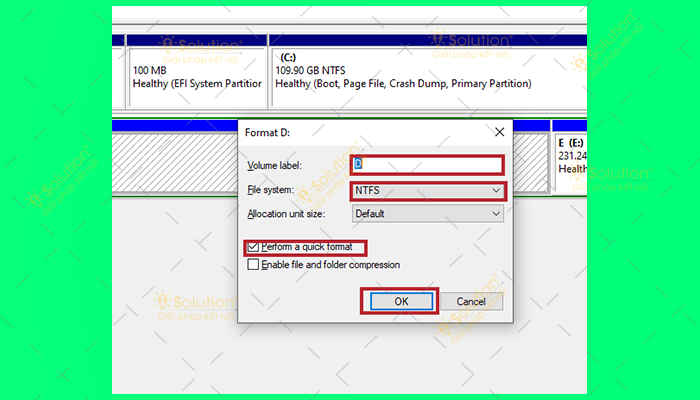
- If the drive has an unformatted partition or is formatted incorrectly as RAW, you should reformat it.
- If you want to format directly, right-click on the drive you want to delete and select Format
Above, this guide has introduced to you the causes and how to handle the situation of hard drives not being formatted. In fact, there are many other causes and different ways to handle them. The most important thing is that you need to determine exactly what the cause is and then come up with the most accurate way to handle it!
Key Takeaways
Use the guidance above as a practical reference for fix unformatted hard drive. Check compatibility, follow the steps carefully, and verify important details with official documentation when software, security, accounts, health, or purchases are involved.
FAQ
How do I fix unformatted hard drive?
Follow the steps in this guide in order, confirm each setting before continuing, and save, restart, or reconnect the device when the instructions require it.
What should I check before I begin?
Confirm the correct device, account access, software version, compatibility, and a current backup whenever the process could affect files, settings, or security.
What should I do if the process does not work?
Repeat the steps carefully, check for model or version differences, install available updates, and consult the manufacturer's official support documentation.
Related Articles
 How to Identify Hard Drive Failure, Hard Drive Failure, Bad Hard Drive7 minutes read
 What Is a Hard Drive? There Are Several Types?7 minutes read
 Dissection of Hard Drive Components9 minutes read
 Pros and Cons of Using an External Hard Drive for PS49 minutes read
 5 Ways to Check Hard Drive Effectively to Help Periodically Check11 minutes read
 Know About Bad Sectors on Your Hard Drive8 minutes read
Reader Comments 0
Sign in with email or Google to join the discussion.