Table of Contents
This updated guide examines Click: How to Find Hidden Files and Folders in Windows and organizes the essential facts, background, and practical takeaways in clear American English.
Part 1of 2:
Displaying Hidden Items
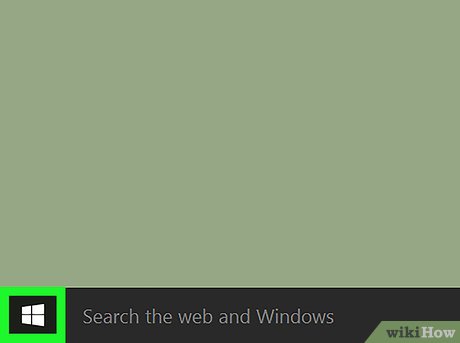 Open the Start menu
 . Either click the Windows logo in the bottom-left corner of the screen, or press the⊞Winkey.
- On Windows 8, hover your cursor in the top-right corner of the screen, then click the magnifying glass icon.
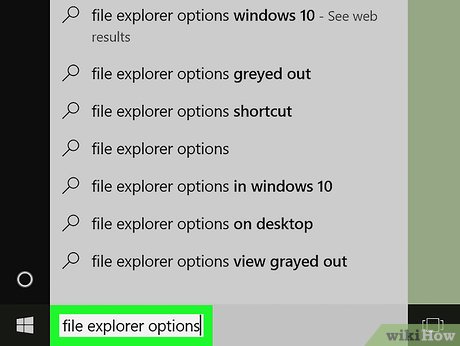 Typefile explorer optionsinto Start. This will bring up the File Explorer Options icon at the top of the search results.
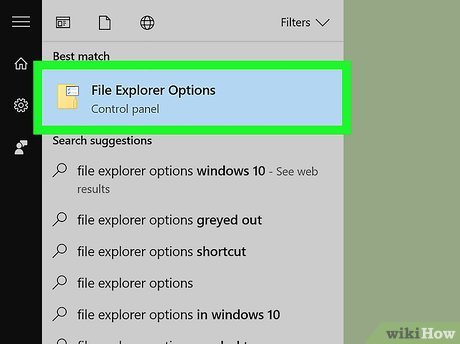 ClickFile Explorer Options. It's the folder-shaped icon at the top of the Start window.
 Click theViewtab. You'll see it at the top of the File Explorer Options window.
 Click theShow hidden files, folders, and drivescircle. It should be in the middle of the "Advanced settings" window.
- If you don't see this option, double-click the Hidden files and folders line of text. If you don't see that option either, first double-click Files and Folders at the top of the "Advanced settings" window.
 ClickApply, then clickOK. Both of these buttons are at the bottom of the window. Doing so will reveal any hidden files, folders, drives, and other items on your computer.
Part 2of 2:
Searching
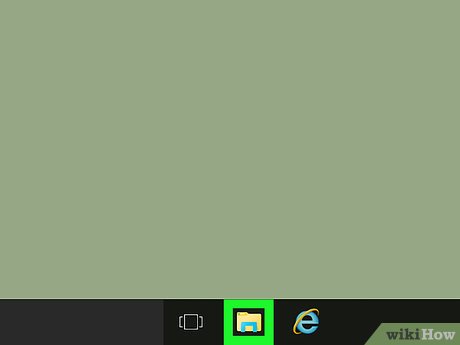 Open File Explorer
 . This app is the folder-shaped icon on your taskbar.
- You can also typefile explorerinto Start and then press↵Enter.
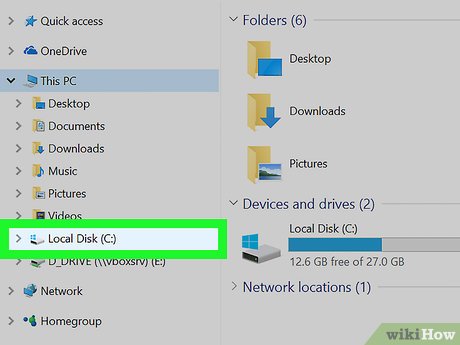 Click your hard drive's name. It's in the left-hand column of options. In most cases, this will be OS (C:) .
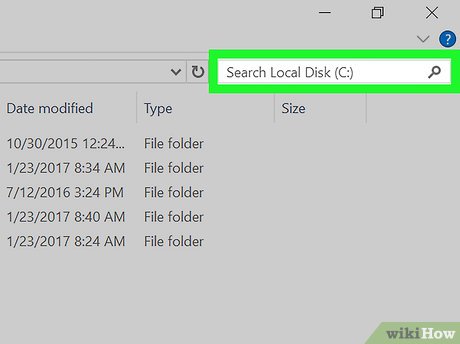 Click the search bar. It's in the top-right corner of the File Explorer window.
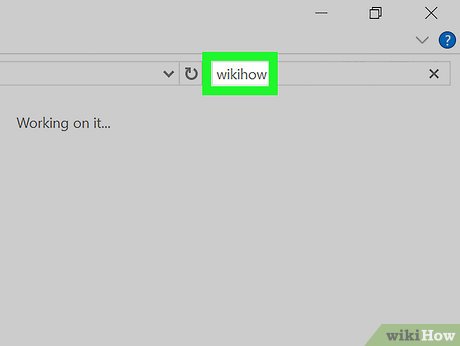 Type in the name of a hidden item. If you don't know the item's name, try typing an asterisk and then the item's file type (e.g., typing "*.jpg" will show results for all jpeg images that end in the filetype ".jpg").
 Review the results. You should see several hidden folders and files here.
- These files and folders are not accessible from the Start search.
- If you don't see your desired hidden file, folder, or other item, click This PC in the left-hand column and run your search again.
FAQ
What is Click: How to Find Hidden Files and Folders in Windows about?
It provides a structured overview of click, explains the main context, and highlights practical takeaways for readers.
Why does this topic matter?
Understanding the main concepts helps readers evaluate the issue, avoid common mistakes, and make better-informed decisions.
How should readers use this information?
Use the guidance as a practical starting point, confirm details that may have changed, and follow current product, safety, or security recommendations.
Related Articles
 How to Show Hidden Files and Folders on Windows 10/8/74 minutes read
 How to Show Hidden Files, Hidden Folders in Windows 10, Windows 73 minutes read
 Restore Hidden Folders in Windows When Infected4 minutes read
 Click: How to Show Hidden Files in Windows 74 minutes read
 How to Show Hidden Files and Folders on a Mac3 minutes read
 How to Check Hidden Files and Folders on Linux7 minutes read
Reader Comments 0
Sign in with email or Google to join the discussion.