Table of Contents
Learning how to easily transfer excel content to word 2016 doesn't have to be complicated. This updated guide presents a clear workflow, practical checks, and troubleshooting advice you can use while completing the process.
Key Takeaways
- Learn how to use paste special to keep the formatting.
- Explore paste the content normally and align it with AutoFit.
- Follow the recommended steps in order to avoid common mistakes with easily transfer excel content to word 2016.
1. Use Paste Special to Keep the Formatting
Step 1: From an available content on Excel 2016, you proceed to select the parts that need to copy the content.

Then right-select it and select copy.
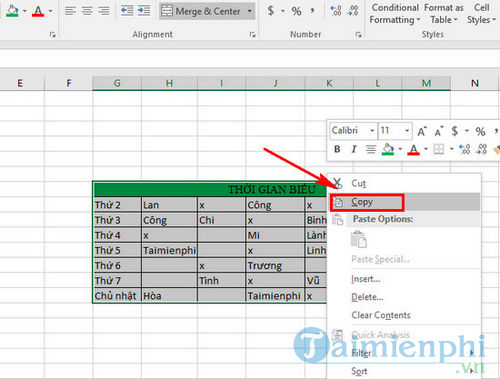
Step 2: Next, you switch to Word 2016, open a new file, or you place the cursor in the part where you want to copy the content. Continue to select Paste. And select Paste Special.

Step 3: When the notification window appears, you customize and select Microsoft Excel Worksheet Object. Finally, click the OK button to complete.

And finally you customize Word 2016 to your liking.

2. Paste the Content Normally and Align It with AutoFit
Step 1: You also proceed as step 1 of method 1.
Step 2: Open the Word file you want to paste and press Ctrl + V on your keyboard.
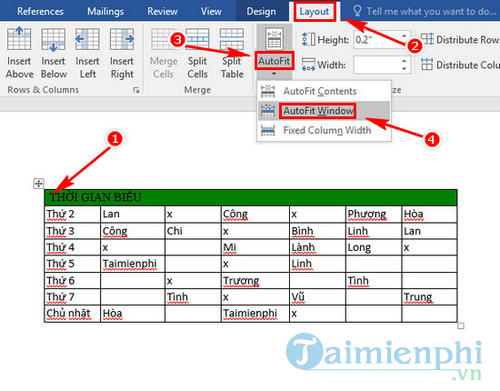
Step 3: Adjust the spreadsheet to automatically fit the page.
Select any cell in the table -> then select the Layout Tab -> Select the AutoFit command -> Select AutoFit Window as shown below.
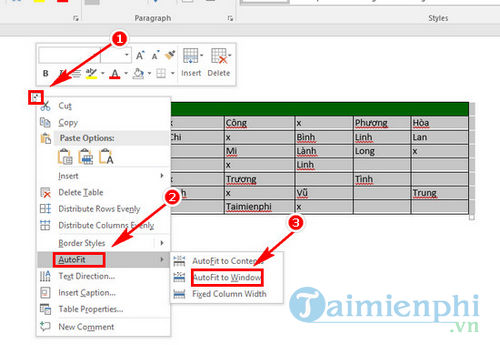
Another way to select the AutoFit Windows command is to right-select the four-arrow icon of the table then right-click -> select AutoFit -> Select AutoFit Window.
Next, drag the columns in the table to make it more pleasing to the eye and beautiful.
Converting Excel files to Word or PDF is a common need, making it easier to store and share data. You will find many ways to do this conversion, from using software to online tools.
You can choose specialized software to ensure data security or use online services if you need to do it quickly when converting Excel to PDF.
Final Thoughts
The most reliable way to handle easily transfer excel content to word 2016 is to follow the process in order, verify each important setting, and test the result before moving on. Use the guidance above as a practical reference, then adjust the details for your device, software version, or specific goal.
FAQ
What should I check before I easily transfer excel content to word 2016?
Use the latest available software, confirm that your device meets the requirements, and make sure you have the necessary permissions, account access, or backup before changing anything.
Why might I be unable to easily transfer excel content to word 2016?
Common causes include outdated software, missing permissions, incompatible settings, incomplete setup steps, or a temporary network problem. Recheck the process from the beginning and restart the app or device if needed.
Is it safe to easily transfer excel content to word 2016?
It is generally safe when you use official tools, review every permission, and back up important data before making system-level or account-level changes.
Related Articles
 How to Write Dash in Word and Excel: Word Tips4 minutes read
 How to Convert Cad to Word, PDF, Excel: Autocad5 minutes read
 How to Convert Word to Excel9 minutes read
 Transfer Form Data from Word to Excel7 minutes read
 How to Copy Word Data to Excel Keeps Formatting: Word Tips4 minutes read
 How to Scroll Bar Scrolls Horizontally and Vertically in Word and3 minutes read
Reader Comments 0
Sign in with email or Google to join the discussion.