Table of Contents
This guide explains how to delete Frames and Borders in Word, with clear steps, practical tips, and important checks before you begin.
For Word 2016 and Word 2013
Step 1 : You open the text containing the frame, border up.
(1) On the toolbar, select Design .
(2) Next select Page Borders .

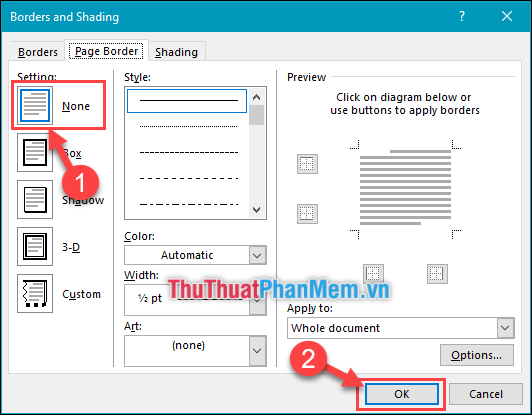
Step 2 : In the new window Borders and Shading
For Word 2010 and Word 2007
You also perform almost similar steps:
(1) On the toolbar, select Page Layout .
(2) Select Page Borders .

Then do the same as Step 2 of Word 2016.
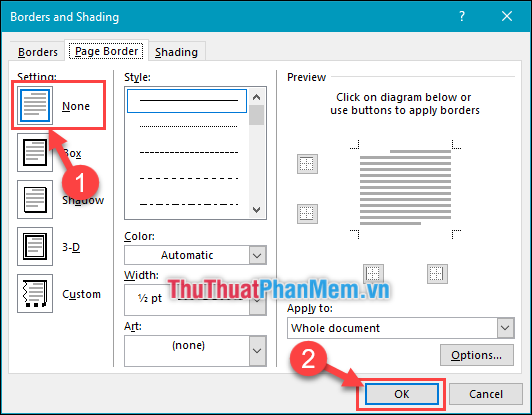
In the new window Borders and Shading
(1) You select the Settings section is None .
(2) Then select OK to finish.
In addition, some of you also have Word cases with borders on each line. Now select the File tool in the left corner of the software and select Options .
(1) Select the Advanced tab.
(2) Uncheck the Show text boundaries line.
(3) Select OK .

That's it, delete the borders and borders in Word. I wish you successful implementation!
FAQ
What should I know about Delete Frames and Borders in Word?
Focus on the key features, requirements, limitations, and practical use cases explained in this guide.
How do I get the best results with Delete Frames and Borders in Word?
Follow the recommended steps, use current software or information, confirm compatibility, and review settings before major changes.
Are there any risks or limitations?
Potential limitations depend on compatibility, data quality, cost, privacy, support, and how the product or method is used.
Related Articles
 How to Delete Table Borders in Word5 minutes read
 Instructions on How to Create Frames in Word 2007, 2010, 2013, 20165 minutes read
 How to Delete Vertical Lines in Word: Delete Vertical Lines Word4 minutes read
 How to Create a Cover Page in Word: How to Create Word Covers8 minutes read
 Word Tables: How to Create a Table Border in Word5 minutes read
 How to Quickly Create Borders in Word Documents6 minutes read
Reader Comments 0
Sign in with email or Google to join the discussion.