Table of Contents
This guide explains how to check the Computer Using an SSD or HDD on Windows, with clear steps, practical tips, and important checks before you begin.

To check if your computer is using a HDD or SSD, follow these instructions:
Method 1: Test the hard drive on Windows manually
Step 1: Right-click on This PC / My Computer => Manage .

Step 2: Choose Disk Management (1) => right-click the drive to check (2) => Properties (3) .

Step 3: In the General tab, notice the zoned information line as shown below, which is the code of the SSD or HDD. You memorize or copy that code.

Step 4: Look up the hard drive code above with Google. If the results returned as shown below, the hard drive in the article is a WD green 240GB SSD.

Method 2: Check if the hard drive is SSD or HDD with Windows PowerShell
Step 1: Go to the Start menu and open Windows Powershell .
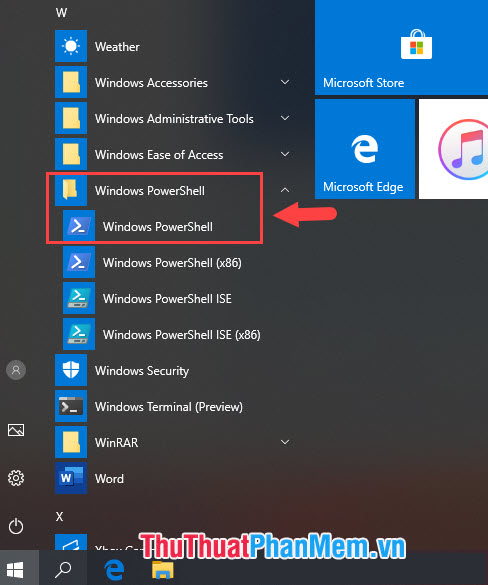
Step 2: Enter the following command and press Enter .
get-physicaldisk
After entering the command and pressing Enter, the computer will check and produce the result as shown below. If we see the word SSD or HDD in MediaType, that means formatting your drive. If it says Unspecified , the hard drive is an old HDD that has not been updated on Windows 10 systems.

Method 3: Use the Optimize Drives tool
Step 1: Open My computer / This PC => right click on any drive and select Properties .

Step 2: Select the Tool (1) => Optimize (2) .

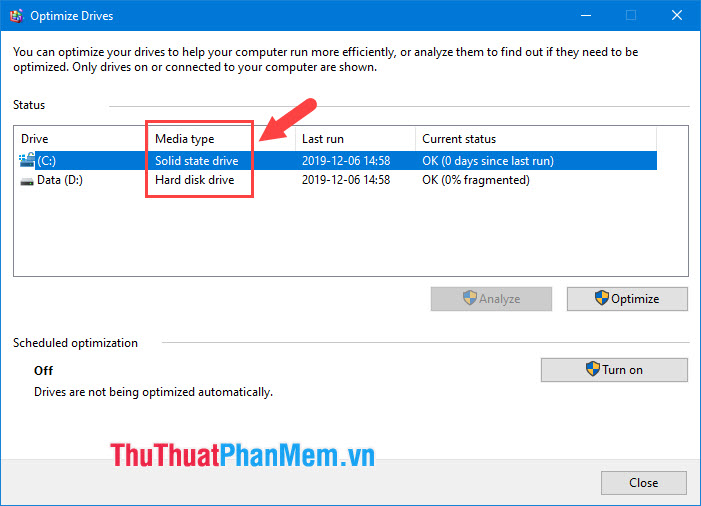
Step 3: In the Media type section, we will distinguish between SSD and HDD. If the hard drive has a Solid State Drive code, it is an SSD and a hard drive has a Hard disk drive code.
Method 4. Check your computer using an SSD or HDD with Pirifom Speccy software
Step 1: You access the link https://www. ccleaner. com/speccy and download the Speccy software.
You then install the software and wait for the software to scan for hardware parameters in your computer.

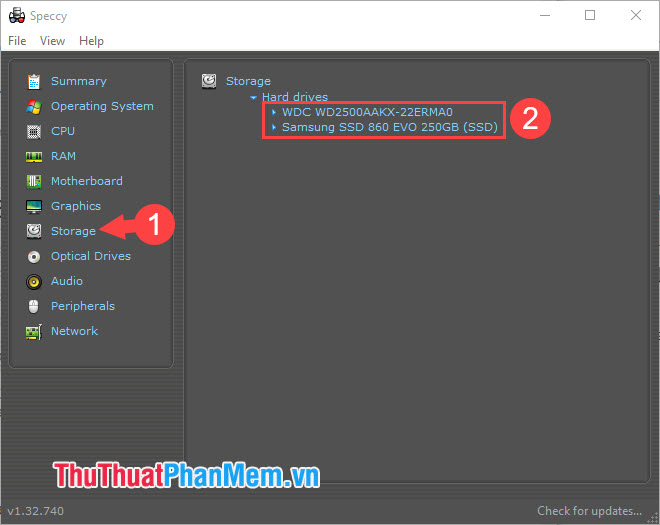
Step 2 : You move to Storage (1) . Here we have information on the storage drives on the computer listed in the next section (2) . If it is an SSD, we will see the word SSD next to it.
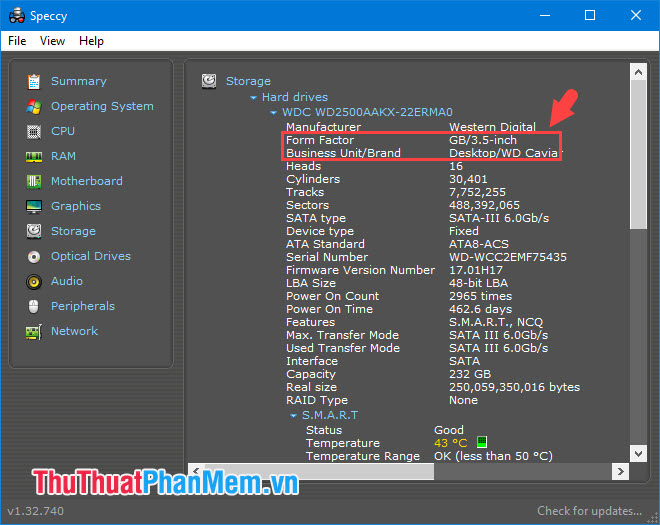
For drives with unclear information, you can look up the code on Google. Try clicking on the name of the drive as shown below and we find the Form Factor line : 3.5 inch ie 3.5 inch HDD hard drive for desktop.
With the guide to checking the computer using an SSD or HDD in the article, we can easily identify the type of hard drive installed on your computer without having to extract it. Good luck!
FAQ
What should I know about Check the Computer Using an SSD or HDD on Windows?
Focus on the key features, requirements, limitations, and practical use cases explained in this guide.
How do I get the best results with Check the Computer Using an SSD or HDD on Windows?
Follow the recommended steps, use current software or information, confirm compatibility, and review settings before major changes.
Are there any risks or limitations?
Potential limitations depend on compatibility, data quality, cost, privacy, support, and how the product or method is used.
Related Articles
 4 Simple Ways to Check the Configuration and Hardware Information7 minutes read
 How to Check and Monitor RAM Status on Windows 105 minutes read
 Steps to Check Computer Configuration on Windows 114 minutes read
 Top 5 Simple and Accurate Ways to Check Computer Mainboard7 minutes read
 4 Best Ways to Check RAM Capacity on Windows 116 minutes read
 How to Check If Windows 10 Is Active or Not4 minutes read
Reader Comments 0
Sign in with email or Google to join the discussion.