Table of Contents
This updated guide examines Click: How to Calibrate the Colors on a Mac and organizes the essential facts, background, and practical takeaways in clear American English.
Part 1of 2:
Starting the Color Calibration Tool
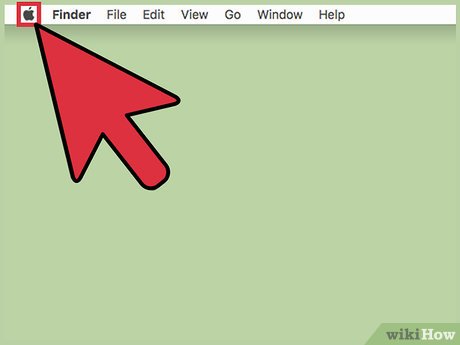 Click the Apple menu. This can be found in the upper-left corner of the screen.
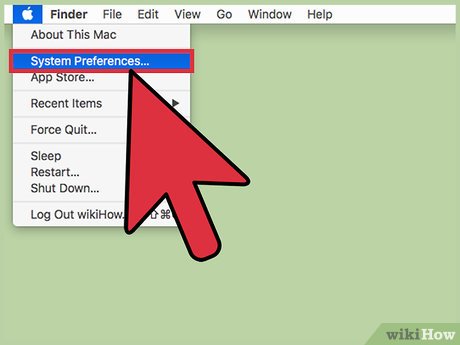 ClickSystem Preferences.
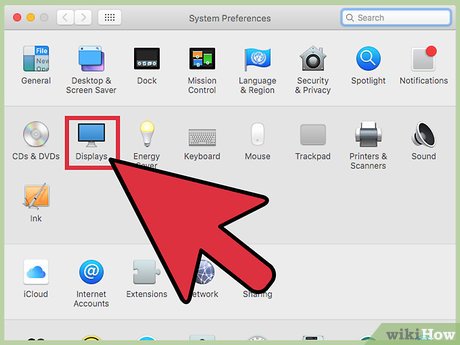 Click theDisplaysoption. If you don't see this, click the Show All button at the top of the screen.
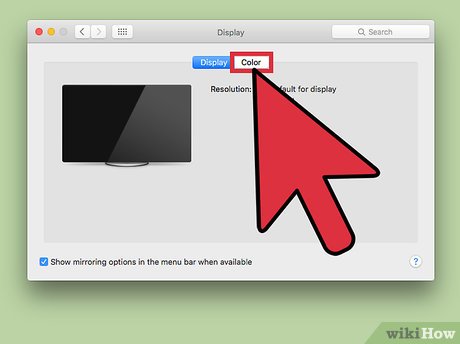 Click theColortab.
 Hold the⌥Optkey.
 Click theCalibratebutton. Make sure you're holding⌥Optwhen you click it.[1]
Part 2of 2:
Calibrating Your Display
 ClickContinueif Expert mode is enabled. THis box will only appear if you held⌥Optwhen you clicked Calibrate.
 Set your monitor's contrast to max. The process for this will vary depending on your display. You'll usually have buttons on the display that can open a menu. You may not be able to change the contrast on a MacBook.
 Set your display's brightness to make the oval barely visible. The edge of the oval over the two gray patches should be barely visible.
- Brightness can typically be controlled with theF1andF2keys.
 ClickContinue.
 Click and drag theNative Gammasliders. Use the slider on the left to match the brightness of the apple with the background lines. Use the slider on the right to make the colors match as close as possible.
 ClickContinue.
 Continue the Native Gamma process. You'll go through five windows with the same instructions but different shades of the Apple logo. Use the left and right sliders to match the brightness and color each time.[2]
 Click and drag theTarget Gammaslider. Unless you specifically are targeting a different gamma profile, it's recommended that you set the slider to 2.2. This is the target gamma used by both Mac and Windows, so colors in images will be more accurate between the two systems.
 Click and drag theTarget White Pointslider. In most cases, you'll want to use either your native white point by checking the box, or set the slider to D65.
 Check the box to allow others to use the profile. If you want other users on the computer to be able to access the profile you created, check the box on the Administrator options screen.
 Type a name for the profile. This will help you identify it in the list of available profiles.
 ClickDoneto set the profile. The newly-created profile will be your display's default color profile for your account.
FAQ
What is Click: How to Calibrate the Colors on a Mac about?
It provides a structured overview of click, explains the main context, and highlights practical takeaways for readers.
Why does this topic matter?
Understanding the main concepts helps readers evaluate the issue, avoid common mistakes, and make better-informed decisions.
How should readers use this information?
Use the guidance as a practical starting point, confirm details that may have changed, and follow current product, safety, or security recommendations.
Related Articles
 How to Calibrate Computer Screen Colors Is Extremely Simple: Clear Instructions13 minutes read
 How to Complete Calibrate Distributor Task in Among Us4 minutes read
 Screen Calibration: How to Calibrate the Screen Perfectly?9 minutes read
 How to Calibrate iPhone Battery in 6 Easy Steps9 minutes read
 How to Calibrate the Compass for Android3 minutes read
 How to Calibrate Google Maps Compass on iPhone or iPad: Step-by-Step Guide6 minutes read
Reader Comments 0
Sign in with email or Google to join the discussion.