Table of Contents
First note whether the computer loses power instantly, shows a Windows stop code, or restarts by itself. Then record what it was doing and whether it was on battery or plugged in. Those details help distinguish a cooling or power problem from a Windows crash.
Check cooling without stressing the computer
Move a laptop onto a hard, flat surface and clear the area around its vents. Check that a desktop has room to exhaust warm air. If shutdowns occur during games or video work, compare the CPU or GPU temperature at idle and under ordinary use with the manufacturer's limits. A monitoring app can show temperature or clock speed, but its readings alone do not establish a failed power supply.

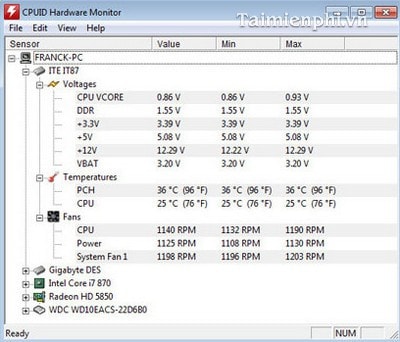
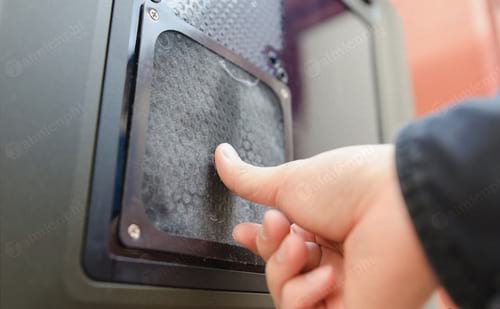
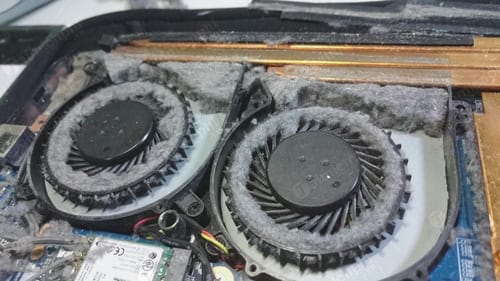
For a step-by-step check, see recognizing temperature and power symptoms. Stop using a device if you notice battery swelling, a burning smell, or a damaged power cable.
Compare power sources and check Windows logs
- Laptop: Record whether the issue occurs on battery, charger, or both. Check that the charger is compatible and its connection is secure.
- Desktop: Check the external power cable and test a known-good outlet. Leave the power supply enclosure closed.
- Windows: Check Reliability Monitor or Event Viewer around the recorded time. Kernel-Power Event ID 41 means Windows detected an unclean shutdown. Pair it with a stop code or other evidence before drawing a conclusion.
What a lower power setting can tell you
Some Windows power plans show Maximum processor state in advanced settings. Changing it may reduce the workload or mask a heat or power fault. Record the original value and restore it after a limited comparison. These screenshots show the older Control Panel path.
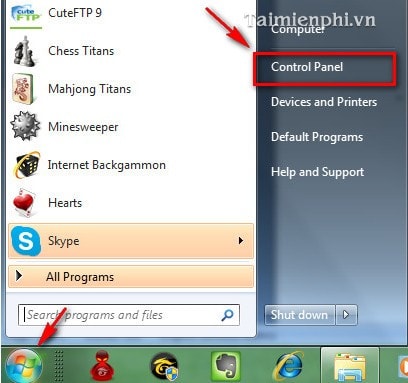
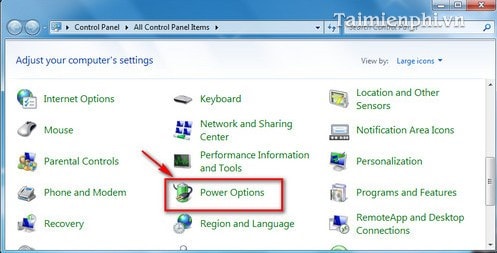
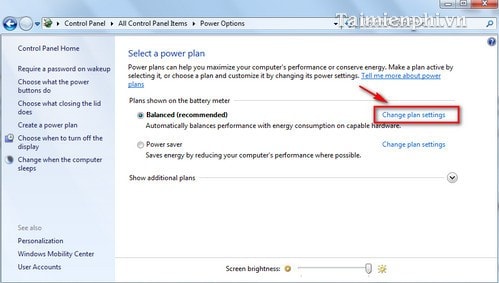
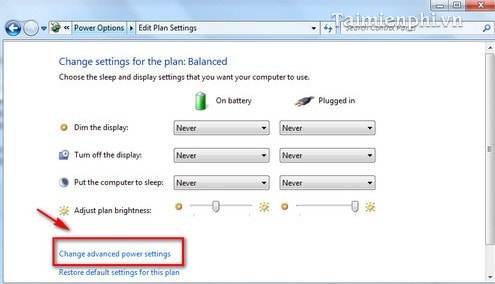
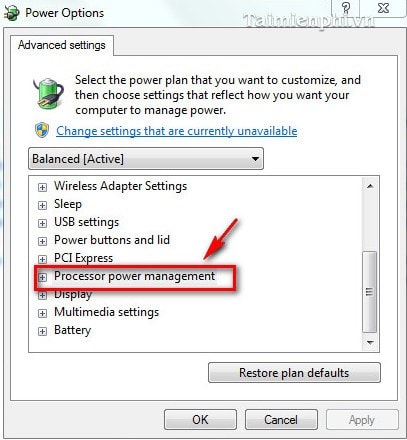
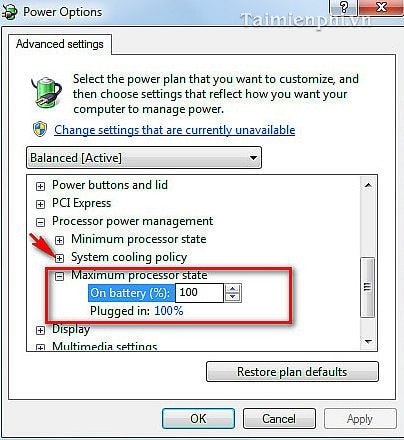
If shutdowns recur under normal use, back up important files when the system is stable. Use the PC troubleshooting checklist to bring times, conditions, stop codes, and test results to support.
Related Articles
 The simple way to fix computer errors is suddenly turned off
 How to fix the error of your computer shutting down suddenly while in use
 Computer shuts down unexpectedly: causes and solutions
 How to Fix Black Bars or a Shrunken Screen in Windows
 Computer shutting down suddenly - Causes and ways to fix it
 [UNUNDERSTANDING ERROR] Computer is Out of range and effective solutions
Reader Comments 0
Sign in with email or Google to join the discussion.