Table of Contents
Quick Overview
Delete Windows File Explorer Search History : Follow this practical guide to delete Folder and File Search History on File Explorer, including How to Clear Search History on File Explorer Windows 10.
Clearing your File Explorer history will delete the information Windows has saved about the files and folders you use, as well as what you type in the address bar and Run dialog box. This will protect your personal information and remove unnecessary computer usage data. Here's how to clear your File Explorer search history.
Instructions to delete search history on File Explorer Win 11
Clear Run and File Explorer search history
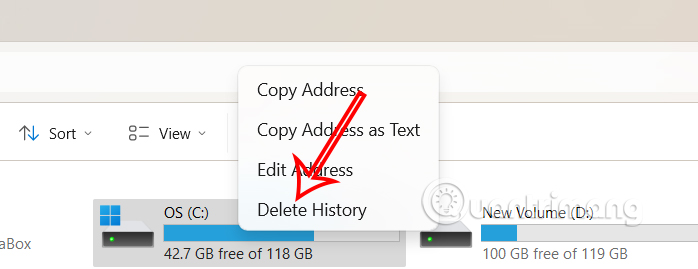
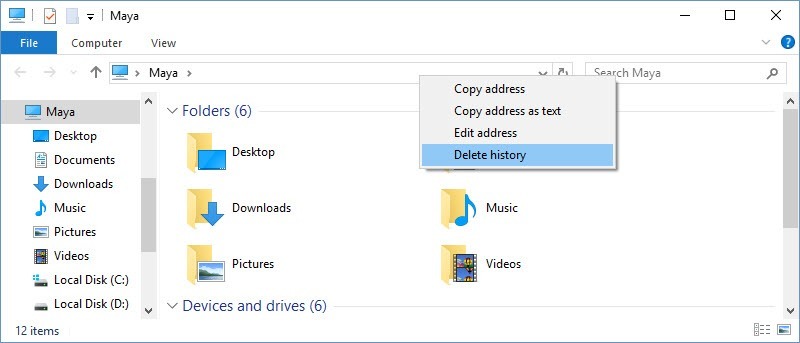
You open the File Explorer interface on your computer, then right-click on the File Explorer address bar , then select Delete history .
Clear File Explorer search history in Options
Step 1:
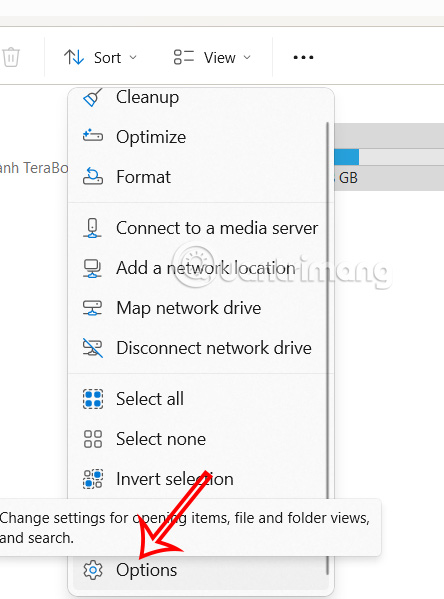
In the File Explorer interface, click on the 3 dots icon and then click Options in the displayed menu.
Step 2:
We click on the General tab , then look down and click on the Clear button to delete the File Explorer search history.

Delete File Explorer search history via BAT file
Step 1:
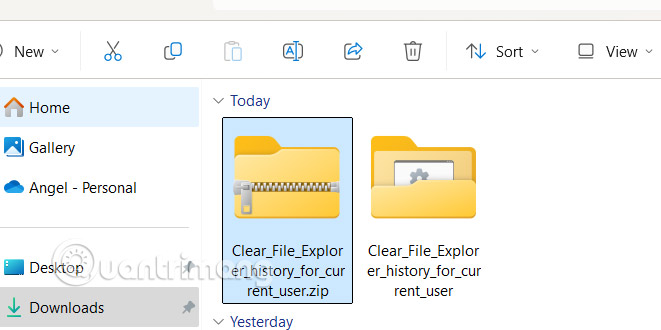
Download the zip file from the link below to your computer, then extract the file as usual.
Step 2:
Then we will see the BAT file to launch on the computer.
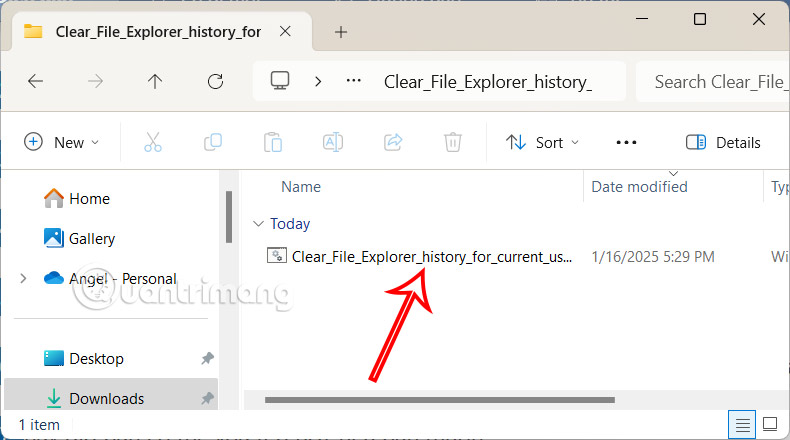
If you see the warning interface to run the BAT file, click More info then click Run away to run this BAT file.
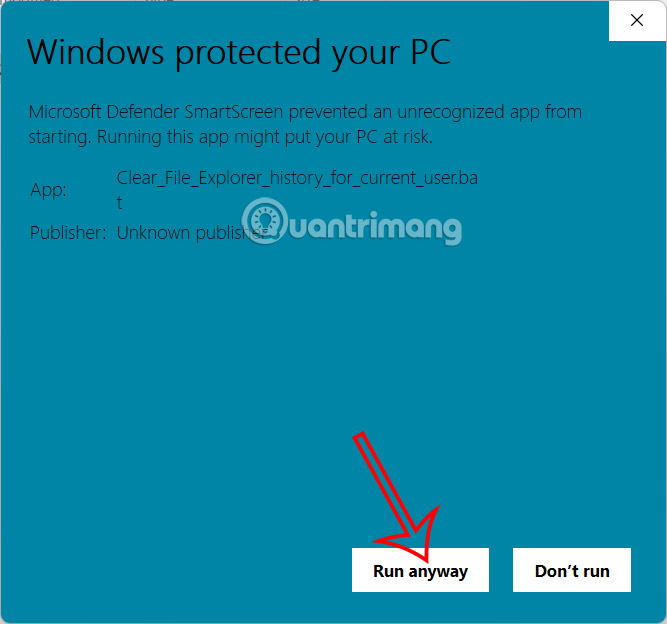
The result on the screen shows a command prompt that quickly opens and closes to run the command to delete the entire File Explorer history.
How to Clear Search History on File Explorer Windows 10
1. Delete directly on File Explorer
The best way to delete file and folder browsing history in Windows Explorer is to delete it directly in File Explorer. To do this, first press the Win + E key combination to open File Explorer.
After the File Explorer window appears, right-click on the address bar and select Delete History .
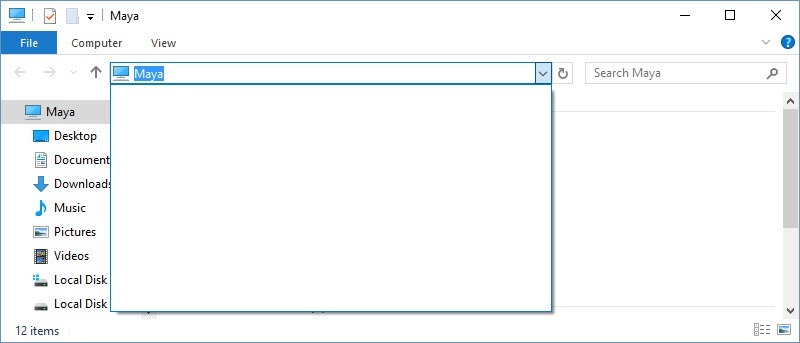
At this point, all of your File Explorer history should be gone. To be sure, you can click the down arrow at the end of the address bar to drop down the list.
2. Delete on Folder Options
To delete folder and file access history in Windows Explorer, in addition to deleting directly on File Explorer, you can use Folder Options.
First open File Explorer by pressing Win + E key combination, then select Options option in View tab.
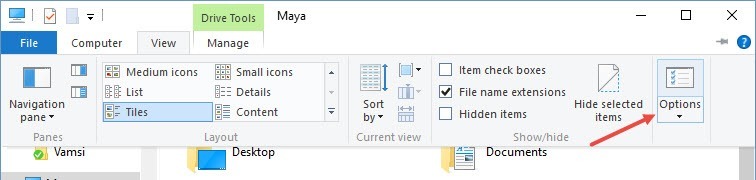
After the Folder Options window appears, click Clear to quickly delete all folder and file access history in File Explorer.
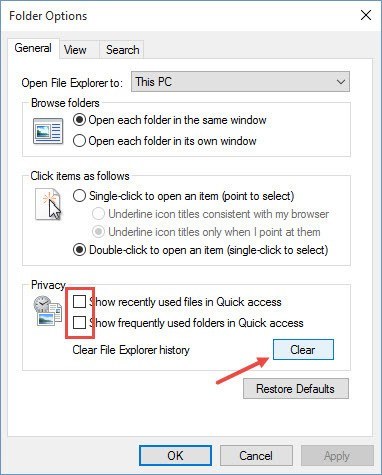
If you don't want File Explorer to store recent file and folder access history, uncheck both Show recently used files in Quick access and Show frequently used folder in Quick access options in the Privacy section.
Finally click OK to save changes.
3. Using the Registry
In addition to the above two methods, you can use the Registry to delete folder and file access history on File Explorer.
First press the Win + R key combination to open the Run window. Then type regedit in the Run window and press Enter .
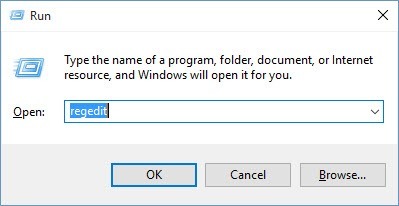
After the Registry window appears, you search by address:
HKEY_CURRENT_USERSoftwareMicrosoftWindowsCurrentVersionExplorerTypedPaths
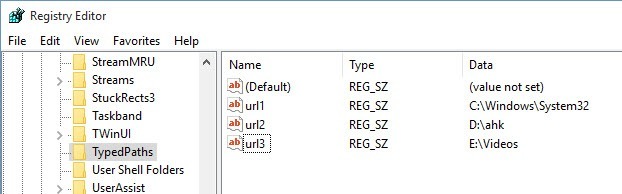
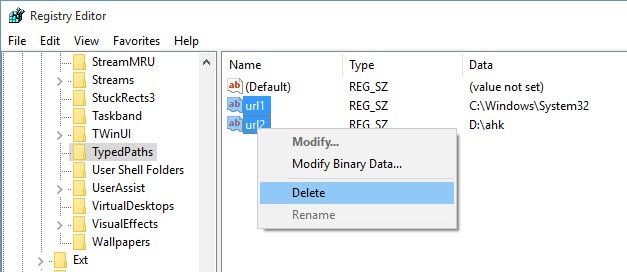
Now on the screen, the Registry window will display the history of accessing folders and files such as URLs. To delete each URL one by one, right-click on that URL and select Delete .
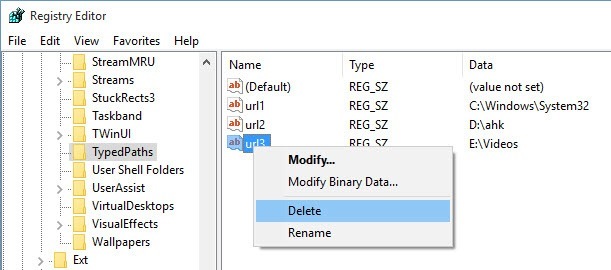
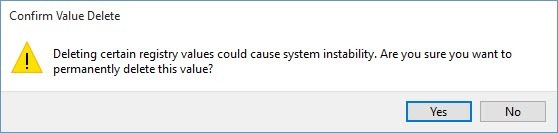
A warning message will appear asking if you want to delete the URLs. Click Yes to delete the URLs.
If you want to delete all folder and file browsing history on File Explorer, you can select all URLs (except Default ) by holding down the Ctrl key and clicking on the URLs, then right-clicking and selecting Delete .
FAQ About Delete Windows File Explorer Search History
What should you prepare before you delete Folder and File Search History on File Explorer?
Delete directly on File Explorer The best way to delete file and folder browsing history in Windows Explorer is to delete it directly in File Explorer
What should you do if delete Folder and File Search History on File Explorer does not work?
Understanding Delete Windows File Explorer Search History helps you evaluate its benefits, limitations, and potential risks before making a decision.
How can you get better results when working with Delete Windows File Explorer Search History?
Delete on Folder Options To delete folder and file access history in Windows Explorer, in addition to deleting directly on File Explorer, you can use Folder Options
Related Articles
 How to Delete Folder and File Search History in Windows Explorer?5 minutes read
 Wipe Recent Files Search History on File Explorer Windows 103 minutes read
 Disable Search History on Windows File Explorer6 minutes read
 How to Hide a File or Folder from Search Results in Microsoft6 minutes read
 5 File Explorer Search Tips You Need to Know8 minutes read
 How to Fix the File Explorer Not Working Search Error on Windows 105 minutes read
Reader Comments 0
Sign in with email or Google to join the discussion.