Table of Contents
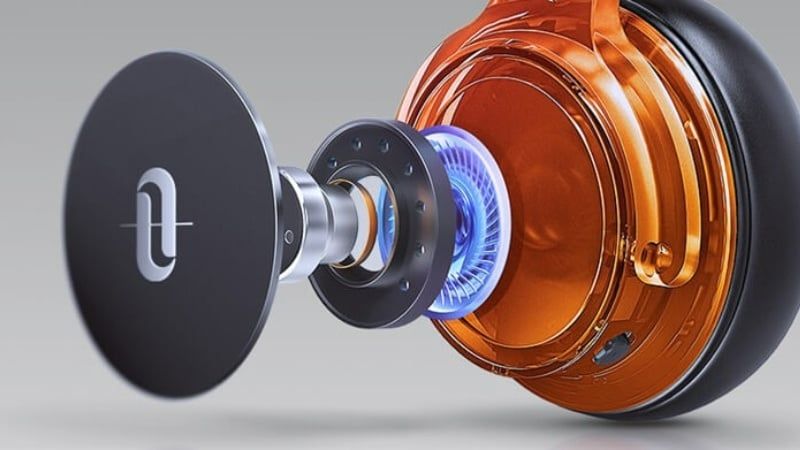
A headphone driver is the transducer that converts an electrical audio signal into mechanical motion and then sound pressure. Different driver technologies achieve that motion in different ways. The technology name, driver diameter, and driver count can describe construction, but they do not determine sound quality without the acoustic design and tuning around them.
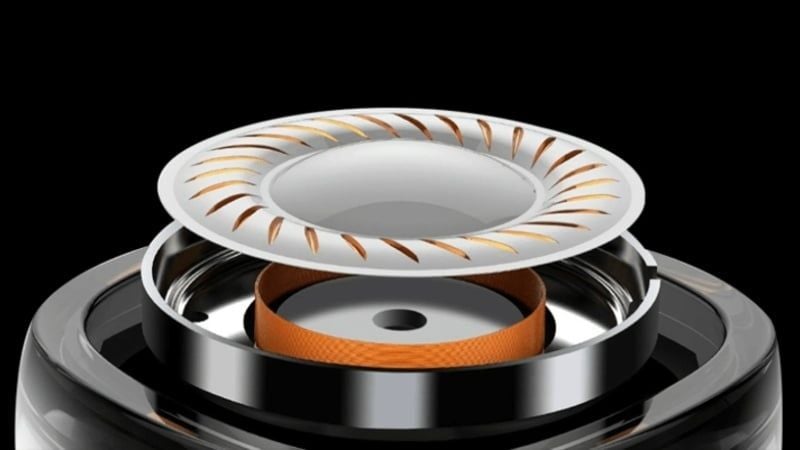
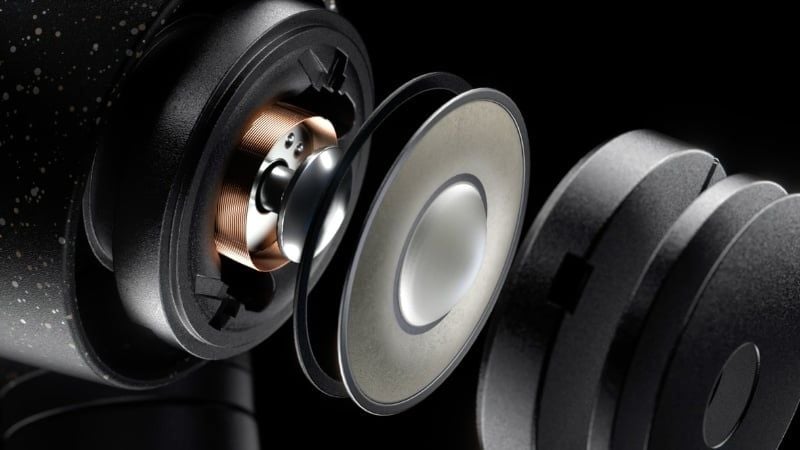
Basic parts of a moving-coil driver
The most familiar dynamic driver contains:
- Magnet and magnetic circuit: create a static magnetic field.
- Voice coil: a fine wire coil carrying the changing audio current.
- Diaphragm: a lightweight membrane attached to the coil.
- Surround and frame: control motion and hold the assembly.
Current through the coil interacts with the magnetic field, moving the coil and diaphragm forward and backward. That motion changes air pressure and produces sound. Materials such as neodymium help designers create a strong field in a compact package, but the magnet name alone is not a performance rating.
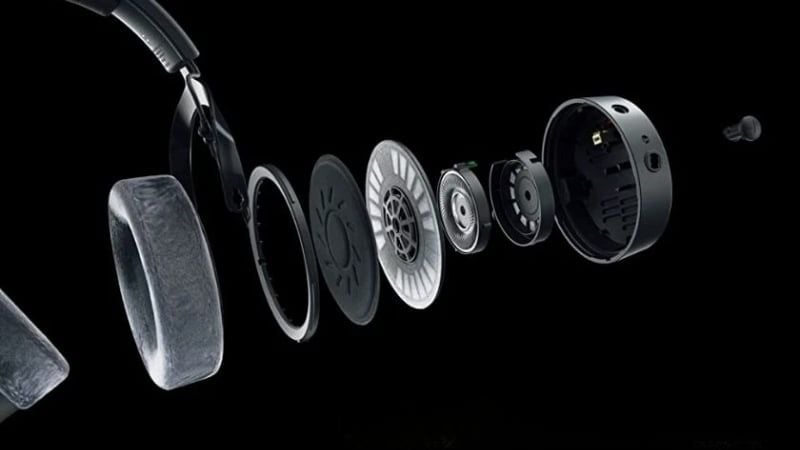
Dynamic drivers
Dynamic, moving-coil drivers are used in inexpensive earbuds, studio headphones, premium over-ear models, and almost every category between. They are relatively simple to manufacture and can provide substantial diaphragm movement.
A dynamic driver does not inherently have warm tuning or stronger bass. Enclosure volume, vents, damping, seal, diaphragm stiffness, motor strength, and equalization determine the result. It may be easy or difficult to drive depending on impedance and sensitivity.
Balanced-armature drivers
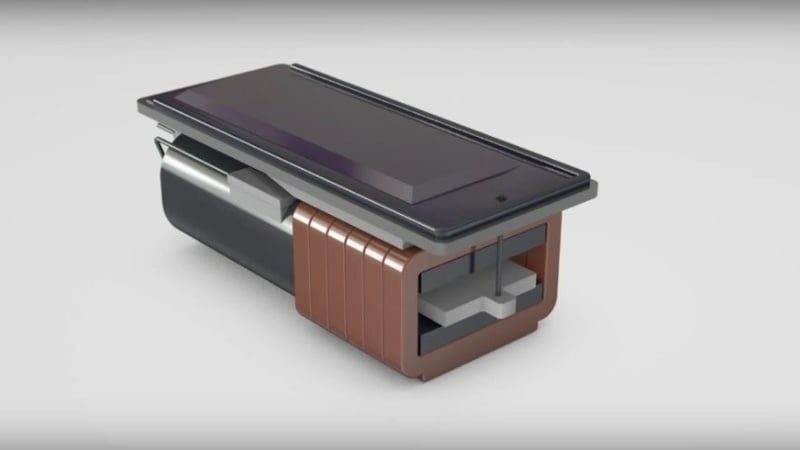
A balanced-armature (BA) unit contains a small armature balanced within a magnetic field. Signal current changes the armature's magnetic state, moving it; a drive pin transfers that motion to a diaphragm. The compact package lets an in-ear monitor use one or several units.
BA drivers are not automatically more detailed, better isolated, or intended for treble. Some are designed for a broad range; others are optimized for part of it. The earphone shell and tip create isolation, not the driver mechanism itself.
Hybrid and multi-driver earphones
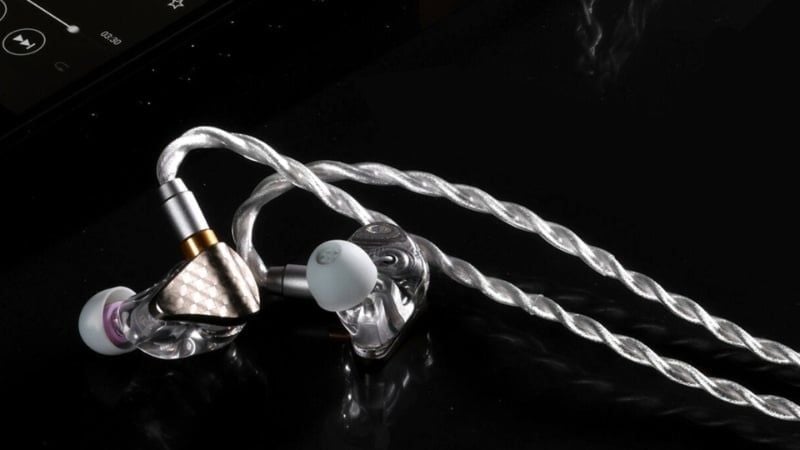
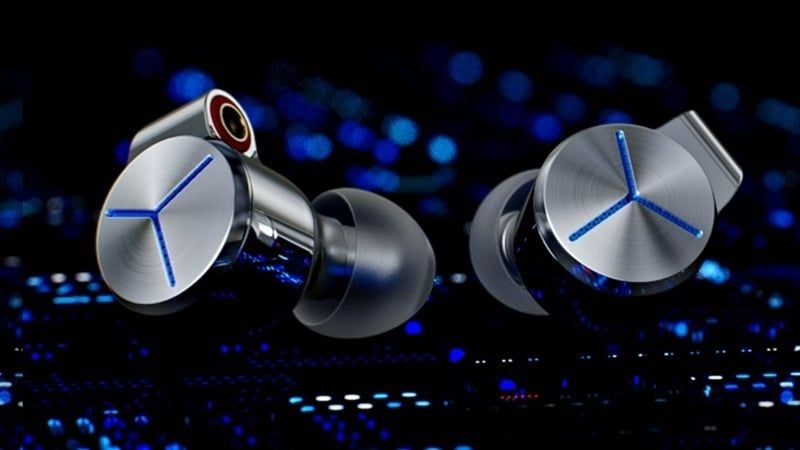
A hybrid combines different transducer types—commonly a dynamic driver for part of the spectrum with one or more BA units. Other products combine planar, piezoelectric, or bone-conduction-style elements. A crossover or acoustic network distributes frequencies and aligns their output.
Integration is difficult. Differences in phase, timing, acoustic path, and level can produce peaks, cancellations, or disconnected timbre. A well-tuned single driver can outperform a poorly integrated multi-driver design. Count the final measured behavior, not the number printed on the box.
Planar-magnetic drivers
A planar-magnetic driver uses a very thin diaphragm with conductive traces spread across much of its surface, placed in a magnetic field. Driving force is distributed over a larger area than a conventional voice coil.
Planars can achieve low distortion and controlled motion, but they are not automatically wide-sounding or neutral. Some are heavy because of their magnet arrays, and many have low sensitivity that demands amplifier current. Others work well from a portable device. Check measurements for the exact model.
Electrostatic drivers
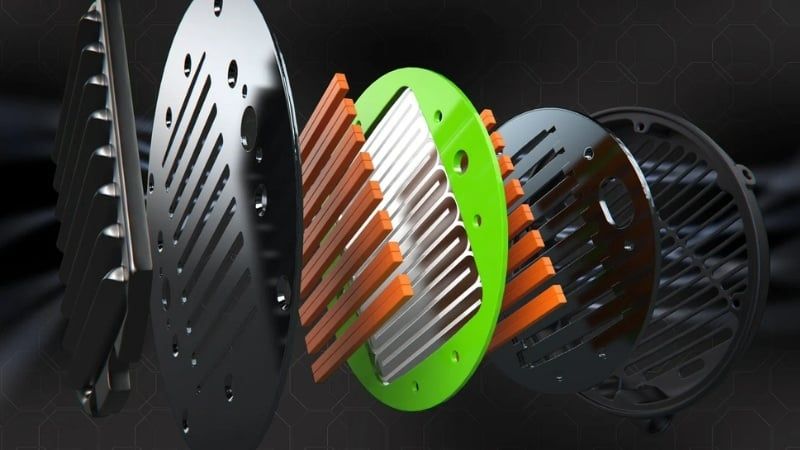
An electrostatic driver suspends an electrically charged, extremely thin diaphragm between perforated stators. A varying electric field pulls and pushes the diaphragm. The low moving mass can produce excellent transient behavior and low distortion.
Traditional electrostatic headphones require a dedicated energizer or compatible transformer interface that provides bias and high-voltage drive. They cannot be connected directly to a normal headphone output merely with a plug adapter. Cost and specialized hardware are practical constraints, not proof of superiority.
Bone-conduction transducers
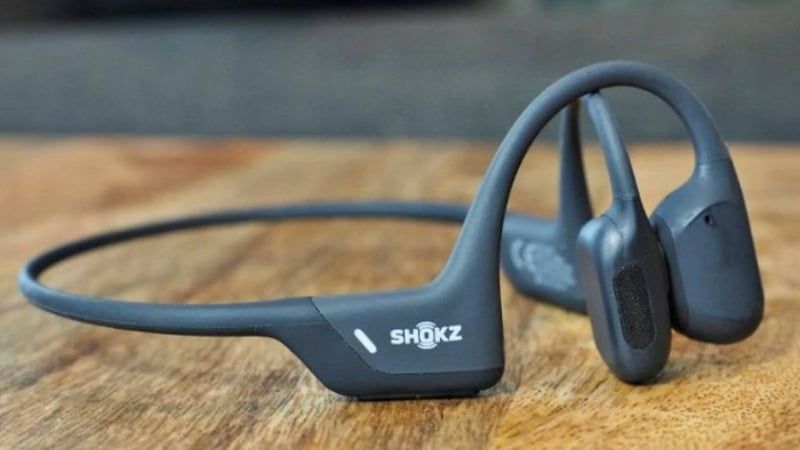
Bone-conduction headphones press a vibrating transducer against the head, sending mechanical energy through tissue and bone to the inner ear while leaving the ear canal more open. Some sound also travels through the air.
The open canal may help awareness, but it does not guarantee safety, full environmental awareness, or protection from excessive listening levels. Bass extension, leakage, fit, and vibration comfort vary. Air-conduction open-ear speakers are a different design even when marketed in the same category.
Why driver size is a weak buying guide
Over-ear models often use 40–50mm dynamic drivers because the cups provide room; in-ear models use much smaller units because they sit close to a small sealed volume. A larger diameter does not automatically provide deeper bass, wider soundstage, or greater detail.
Compare frequency response, distortion, channel matching, sensitivity, impedance, maximum clean level, and fit. Even those measurements must be interpreted for the intended use.

Driver type does not determine the best use
Balanced-armature and hybrid earphones do not automatically reveal game footsteps better than a dynamic model. Positional audio depends on the game's mix, frequency response, channel matching, fit, and spatial processing. Likewise, a large dynamic driver is not automatically best for action games or electronic music.
Choose by the final product:
- Games: measured latency, consistent imaging, comfortable fit, platform support, and microphone quality.
- Music: tuning, distortion, fit, comfort, serviceability, and source requirements.
- Production: known response, repeatability, isolation needs, channel matching, and calibration options.
- Travel: passive isolation or ANC, packed size, battery, controls, and durability.
Source matching
Driver technology alone does not say whether headphones need an amplifier. Use nominal impedance, impedance curve, and sensitivity. A planar can be current-hungry; a high-impedance dynamic model can need voltage; a sensitive BA earphone can reveal amplifier hiss.
The sensitivity guide and impedance-matching guide show how to evaluate the actual load.
Can a damaged driver be repaired?
Intermittent sound may come from the cable, connector, solder joint, pad seal, or debris rather than the driver. Test another source and cable first. Do not poke an in-ear nozzle or blow compressed air against a diaphragm.
A replaceable driver module can sometimes be serviced, but a torn diaphragm, damaged coil, or failed electrostatic element usually requires specialist work or replacement. Left/right matching matters, so manufacturers may replace a pair. Check warranty terms before opening the housing.
Before buying, listen and use independent measurements of the complete headphone. The Hi-Fi headphone guide explains why recording, tuning, fit, DAC, and amplifier matter more than a single driver label.
Related Articles
 Dust Is 'Killing' Your Sound —— How to Clean Speakers Properly8 minutes read
 How to Clean iPhone Speaker: Step-by-Step Guide10 minutes read
 How to Use 3DP Chip to Update or Install Missing Drivers for the Computer5 minutes read
 Hey Phone Manufacturer, Give Us Back the Headphone Jack!5 minutes read
 What Is Headphone Burn-In?9 minutes read
 iPhone Speakers Are Not Working and This Is a Fix8 minutes read
Reader Comments 0
Sign in with email or Google to join the discussion.