Table of Contents
Hi-Fi means high fidelity: reproducing a recording with low noise and distortion and without unintended tonal changes. “Hi-Fi headphones” is a descriptive and marketing category, not one universal modern certification that guarantees a particular sound. A product can carry the label and still have strongly boosted bass, uneven treble, poor channel matching, or an uncomfortable fit.
What high fidelity means for headphones
A good high-fidelity headphone should reproduce the audible spectrum consistently, keep distortion low at normal levels, preserve timing and channel information, and fit well enough to provide a repeatable acoustic seal or ear position. That does not require a perfectly flat graph at the eardrum: headphone targets account for how the outer ear and head normally shape sound.
Soundstage, imaging, and instrument separation are not automatically “superior” because a model is called Hi-Fi. They depend on frequency response, driver and enclosure behavior, fit, recording mix, and individual hearing.
Hi-Fi, Hi-Res Audio, and lossless are not the same
- Hi-Fi describes the overall aim of faithful reproduction.
- Lossless means audio data can be decoded without the information loss introduced by a lossy codec. FLAC and ALAC are compressed lossless formats; WAV and AIFF can store uncompressed PCM.
- Hi-Res Audio usually refers to sample rates or bit depths above the 16-bit/44.1kHz CD format, and may also be associated with industry certification.
None of these labels guarantees a better master, a better headphone, or an audible improvement. A well-produced CD-quality lossless file can deliver the full audible band with wide dynamic range. Higher sample rates and bit depths are particularly useful during recording, mixing, and processing, but playback above 16-bit/44.1kHz is not a prerequisite for high-fidelity listening.
The recording and master come first
Two releases of the same album may use different masters, dynamic compression, equalization, or noise reduction. Those differences can be much larger than the difference between file formats. Choose a reputable release and avoid assuming that a higher number on the playback screen means the source was recorded or mastered better.
Lossless files remove one variable, but a well-encoded lossy file may be difficult or impossible to distinguish in a controlled, level-matched blind test. Use lossless when storage and bandwidth permit; do not discard a good recording simply because only a high-quality lossy version is available.
What actually determines headphone fidelity?
Frequency response and fit
Frequency response describes the relative level of bass, midrange, and treble. Fit can change it substantially, especially with in-ear headphones and closed-back models. Glasses, hair, ear-pad wear, insertion depth, and ear-tip size all affect the seal.
Distortion and dynamic capability
Low distortion helps the headphone reproduce the signal cleanly, but distortion should be evaluated at relevant frequencies and listening levels. Maximum-volume marketing figures are less useful than measurements at normal use.
Channel matching
Left and right drivers should track closely so centered voices and positional cues remain stable. Large mismatches can shift the image even if each driver measures well on its own.
Comfort and construction
A technically excellent headphone is a poor choice if clamp force, pad heat, weight, or an ear-tip pressure point limits listening. Replaceable pads, cables, and tips can extend service life, but changing them may also alter the sound.
Open-back, closed-back, and in-ear designs
Open-back headphones allow air and sound through the ear cups. They often feel spacious and avoid some enclosure resonances, but leak sound and provide little isolation. They suit a quiet private room.
Closed-back headphones isolate more and keep sound from leaking as freely. A well-designed model can be highly accurate, though cup acoustics and seal have a strong influence.
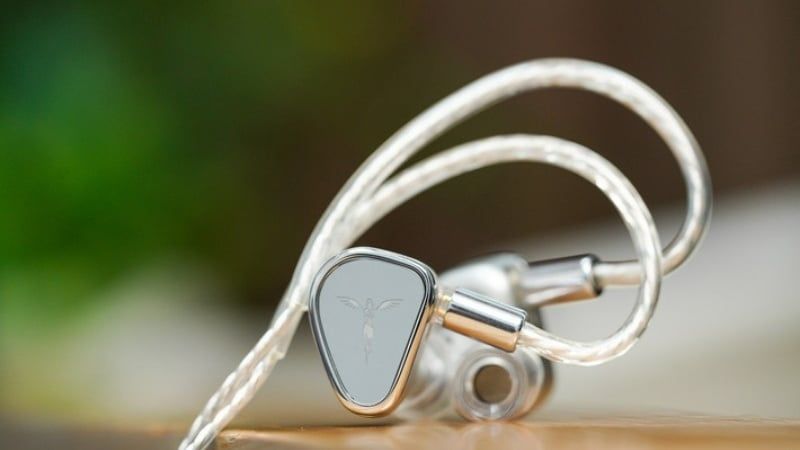
In-ear headphones can provide excellent fidelity and isolation in a compact form. Tip fit is critical. The earbuds and in-ear comparison explains how an acoustic seal changes bass and isolation.
Do Hi-Fi headphones need a DAC and amplifier?
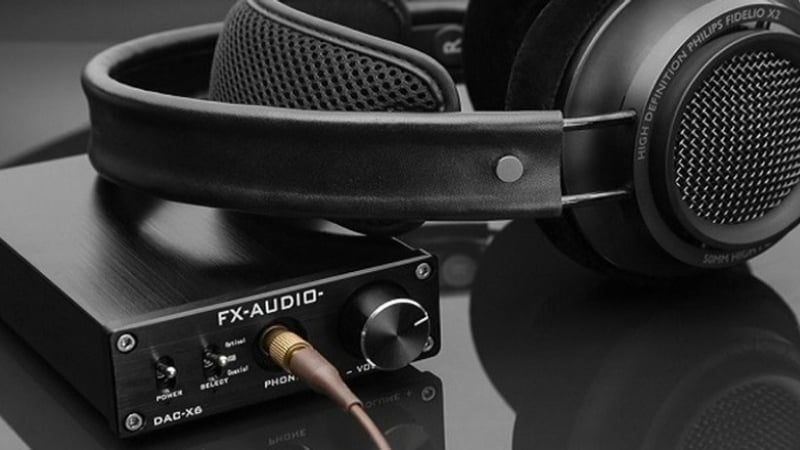
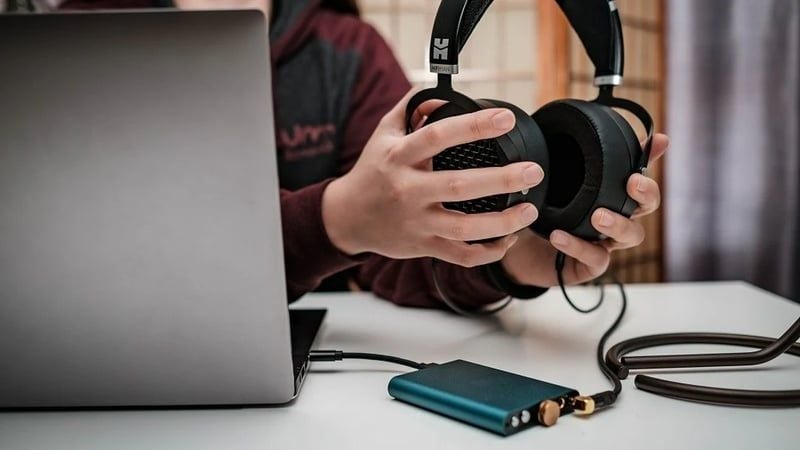
Every digital playback device already uses a DAC and amplifier somewhere. An external unit is helpful only when it solves a real problem: insufficient volume or headroom, audible hiss, electrical interference, an unsuitable output impedance, missing connections, or a need for specific controls.
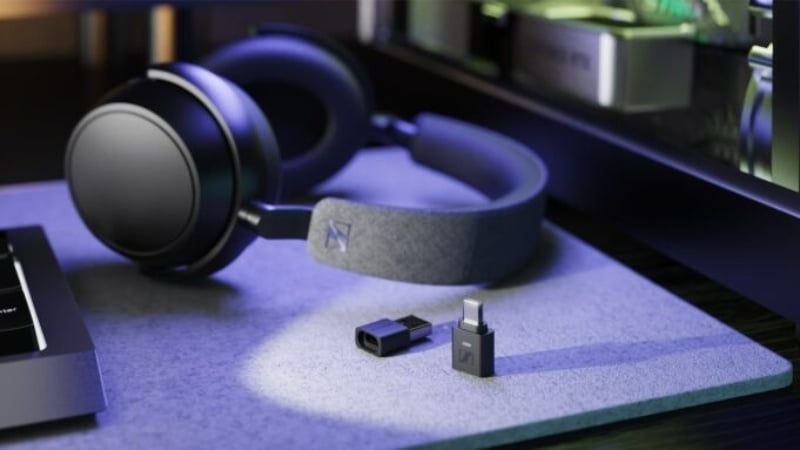
Many laptops, phones with dongles, and audio interfaces can drive easy headphones transparently. A costly external DAC does not recover detail absent from the recording. An amplifier should supply clean voltage and current for the load; it should not be selected by price or size alone.
Use headphone sensitivity and impedance together to estimate power needs. The headphone-sensitivity guide explains the dB/mW and dB/V units and when an amp can help.
A sensible PC Hi-Fi setup
- Start with the headphones. Choose the form factor and tuning for the room, music, comfort, and need for isolation.
- Use a reliable source. Prefer a good master; select lossless playback where convenient and avoid unnecessary sound-enhancement effects.
- Check the existing output. If it reaches the required level without hiss, clipping, imbalance, or interference, keep using it.
- Add hardware only to solve a problem. A modest, measured USB DAC/amp can bypass a noisy PC output or drive a demanding headphone; it need not be an expensive stack.
- Match levels when comparing. A slightly louder device often appears clearer in casual comparisons.
The operating system's mixer does not automatically “degrade” music in an audible way. Exclusive or bit-perfect playback can be useful for testing and for automatic sample-rate switching, but it disables system mixing and is not necessary for every listener.
Advantages and tradeoffs
Potential advantages
- More consistent tonal balance and lower distortion than poorly designed alternatives
- Better build, replaceable parts, or published measurements on some models
- A design chosen for a specific room and listening preference
Potential tradeoffs
- Open-back models leak sound and do not isolate
- Some headphones require more source power
- Large over-ear designs are less portable
- “Audiophile” pricing can rise without a proportional audible benefit

Are Hi-Fi headphones good for gaming?
They can be excellent. Accurate channel balance and a suitable frequency response can support positional cues, while good dynamics improve cinematic games. A gaming headset's real advantages may be an integrated microphone, chat mixer, wireless dongle, console support, or software controls—not guaranteed directional accuracy from simulated surround.
If the headphone lacks a microphone, add a separate mic or compatible boom cable. Confirm whether the device uses a three-contact headphone jack or a four-contact headset jack using the TS, TRS, and TRRS connection guide.
How to evaluate a pair
- Listen at matched, moderate levels with familiar recordings.
- Test comfort for a full session, not only a few minutes.
- Check bass consistency while moving the head or adjusting glasses and tips.
- Use independent frequency-response, distortion, impedance, and isolation measurements when available.
- Prefer a return policy because anatomy and preference affect fit.
- Avoid buying an external DAC or amplifier until the headphone and current source demonstrate a need.
High fidelity is the performance of the complete playback chain, but the headphones, their fit, and the recording usually create the largest audible differences. Spend there first, then fix identifiable source problems rather than chasing labels or sample-rate numbers.
Related Articles
 Why Shouldn't You Buy Headphones Without Usb-c Audio?7 minutes read
 Le Audio, the New Bluetooth Standard That Helps Listen on3 minutes read
 4 Reasons Why Hi-Fi Audio Is Not Necessary: What You Need to Know6 minutes read
 Vertu 'Invades' to Produce High-end Audio Equipment4 minutes read
 What Is Hi Res Audio?7 minutes read
 Audio Monitoring Headphones Explained8 minutes read
Reader Comments 0
Sign in with email or Google to join the discussion.