Table of Contents
This guide compares 3 leading Software to Check the Hard Drive for the Best Bad, focusing on useful features, compatibility, ease of use, and overall value.
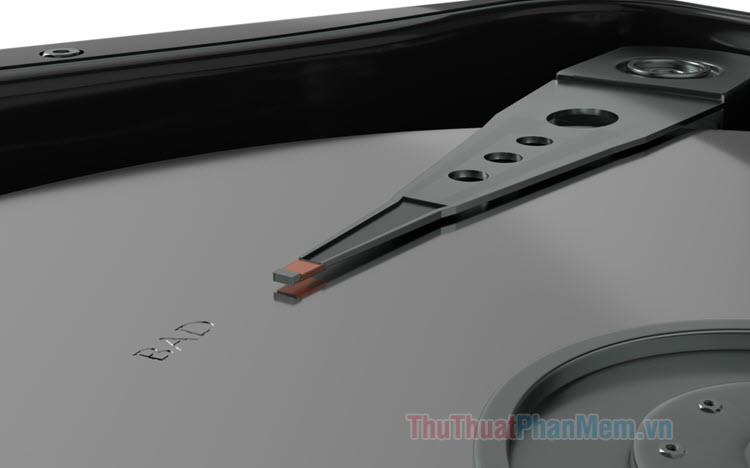
Instead of worrying about your hard drive getting bad sectors, the following testing tools will help you feel more secure and find ways to prevent in case of errors.
1. CrystalDiskInfo

CrystalDiskInfo is a quick and easy hard drive information checker with parameters listed right below the software. For non-professional users, we can identify the status of the hard drive immediately by Good or Bad indicator button in Heath Status section on the left. In addition, you can also check the temperature on the hard drive quickly with the built-in Temperature feature just below the status of the hard drive ( Heath Status ).
CrystalDiskInfo download link at https://crystalmark. info/en/download/#CrystalDiskInfo
2. HDDScan
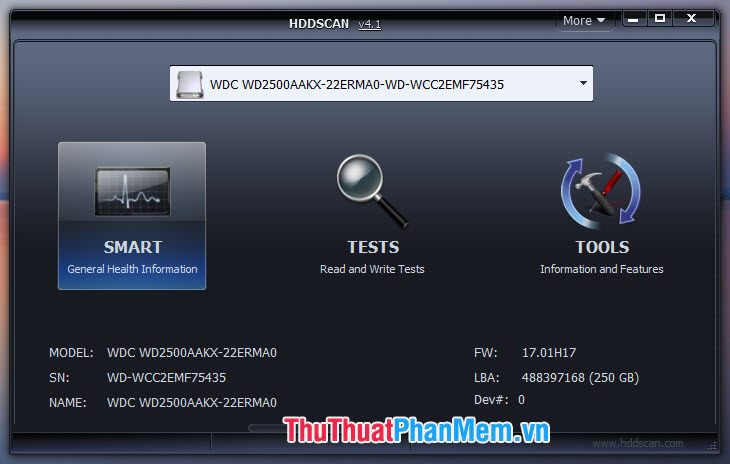
HDDScan is a free tool that helps you check the status of your hard drive quickly and accurately. To check hard drive information, you just need to open HDDScan and select SMART to check the status of the hard drive, and if you want to test the hard drive, the Read and Write Tests feature will help you check the read and write speed of the hard drive. objectively and quickly.
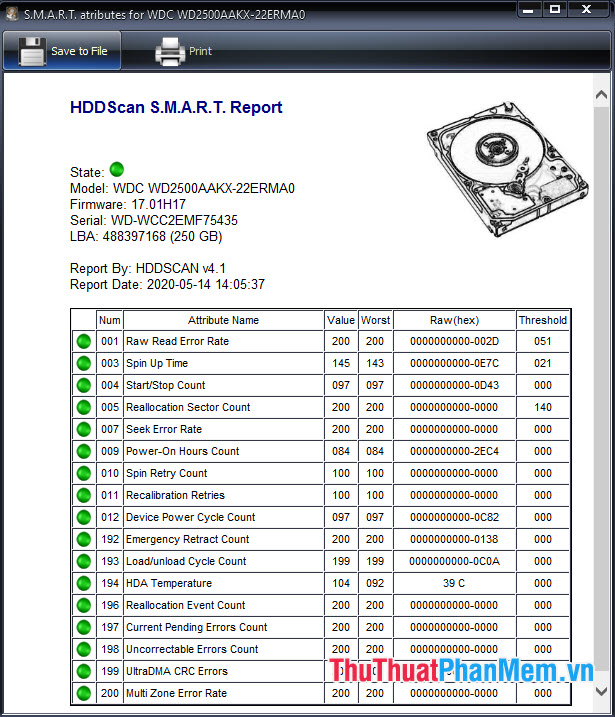
When you click on the SMART section, information about your hard drive will be displayed in detail as shown below.
Link to download HDDScan software at https://hddscan. com/
3. SeaTools
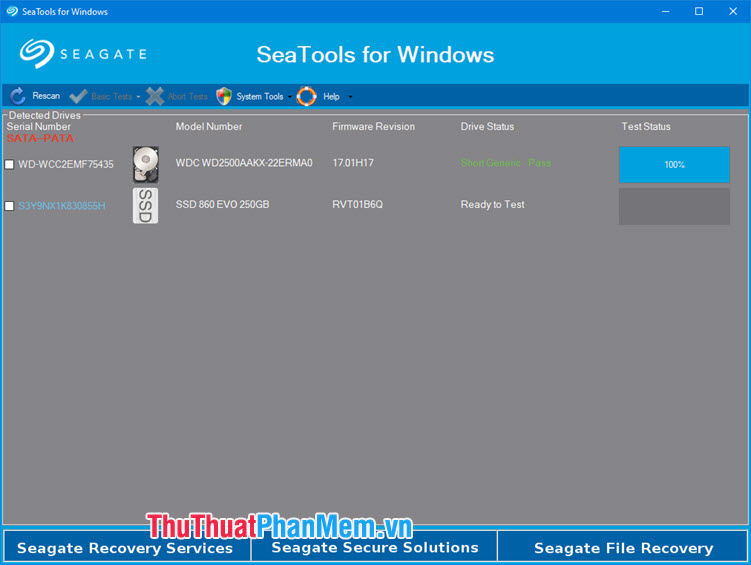
SeaTools is a tool from the famous hard drive manufacturer Seagate. With the SeaTools for Windows tool, users can check the status of your hard drive with the SMART feature or use advanced tests in SeaTools to evaluate the performance on your hard drive.
Download software link at https://www. seagate. com/as/en/support/downloads/seatools/
With modern and fast hard drive testing tools, we can identify the status of the hard drive and conduct replacement and data backup in time. Good luck!
FAQ
How should I choose among Software to Check the Hard Drive for the Best Bad?
Compare compatibility, essential features, ease of use, security, support, and total cost rather than choosing only by popularity.
Are free options suitable for everyday use?
Free tools can be sufficient for basic needs, but advanced features, commercial use, or priority support may require a paid plan.
What should I check before installing or using one?
Verify the official source, system requirements, recent updates, privacy practices, and support for your device and file types.
Related Articles
 5 Ways to Check Hard Drive Effectively to Help Periodically Check11 minutes read
 Hard Drive Check: How to Check Hard Drive Health in 3 Ways4 minutes read
 Know About Bad Sectors on Your Hard Drive8 minutes read
 3 How to Check the Working Status of the Hard Drive4 minutes read
 8 Effective Ways to Check Your Hard Drive to Periodically Check18 minutes read
 How to Check Bad Hard Drive, Check Bad Hard Drive by HDDScan3 minutes read
Reader Comments 0
Sign in with email or Google to join the discussion.