Table of Contents
This article provides a clear overview of Shortcuts When Using a Web Browser, with the main facts, useful context, and practical details organized for easy reading.
1. Working Tabs
- Ctrl + 1 - 8: Quickly switch tabs in order of 1 to 8 (from left to right)
- Ctrl + 9: Quickly switch to the last tab.
- Ctrl + Tab: Quickly move to the next tab (the tab to the right of the current tab).
- Ctrl + Shift + Tab: Quickly switch to the previous tab (the tab to the left of the current tab).
- Ctrl + W, Ctrl + F4: Close the current tab.
- Ctrl + Shift + T: Open the recently closed tab.
- Ctrl + T: Open a new tab.
- Ctrl + N: Open a new browser window.
- Alt + F4: Close the current browser window.
Middle mouse button when clicking on a tab: Close tab.
- Ctrl + Left mouse button, middle mouse button: Open the link in a new tab.
- Shift + Left mouse button: Open the link in a new browser window.
2. Control Function

Alt + Left arrow, Backspace: Return to the previous web
- Alt + Left arrow. Backspace: Return to the previous web.
- Alt + Right arrow. Shift + Backspace: go to the previous website.
- F5: Reload the page.
- Ctrl + F5: Reload the entire page, bypassing the cache.
- Escape (ESC): Stop loading the current web page.
- Alt + Home: Open the homepage.
3. Zoom Function
- Ctrl and +, Ctrl + scroll bar middle mouse button up: Zoom in.
- Ctrl and -, Ctrl + scroll bar middle mouse button down: Zoom out.
- Ctrl + 0: Return to the original default zoom mode.
- F11: Full screen mode.
4. Drag the Web Page
- Space, Page Down: Drag down a screen frame.
- Shift + Space, Page Up: Drag up a screen frame.
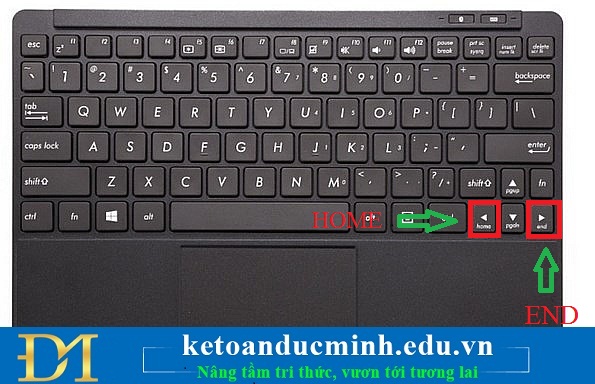
Home: Back to top.– End: Go to the bottom of the page
- Home: Back to the top.
- End: Go to the bottom of the page.
- Click the middle mouse and move the mouse: Drag the website up and down, left and right depending on the mouse movement direction.
4. the Address Bar
- Ctrl + L, Alt + D, F6: Return the cursor to the address bar, you can start typing the new address.
- Ctrl + Enter: Automatically prefix www. and . com suffix to the address entered.
For example, you can just type Google and press Ctrl + Enter, without typing Google. com
- Alt + Enter: Open the website address you just entered in a new tab.
5. Search Function
Ctrl + K, Ctrl + E: Move the cursor to the browser search box (can be Google, Yahoo, Bing or other applications), if the browser does not have a search box, the cursor will be returned to the bar. address.
- Alt + Enter: Display search results in the browser search box in a new tab.
- Ctrl + F, F3: Open the search box in the current web page (text search).
- Ctrl + G, F3: Go to the next search result from the search step above.
- Ctrl + Shift + G, Shift + F3: Return to the previous search result from the above search step.
6. Display Bookmarks History and Bookmarks
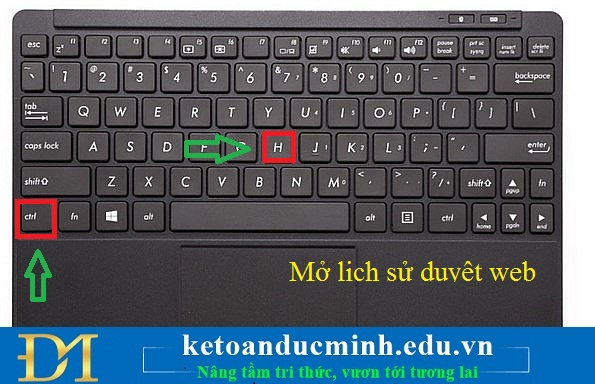
Ctrl + H: Open browsing history
- Ctrl + H: Open browsing history
- Ctrl + J: Open the download history.
- Ctrl + D: Quickly bookmark the current web page.
- Ctrl + Shift + Del: Open the Clear Browsing History window.
7. Some Other Functions
- Ctrl + P: Print the current page.
- Ctrl + S: Save the current page to your computer.
- Ctrl + O: Open a file from your computer.
social shareand social shareFAQ
What is the main focus of Shortcuts When Using a Web Browser?
The article explains the most important facts, context, and practical details related to Shortcuts When Using a Web Browser.
Who may find this information useful?
It is useful for readers who want a clear overview, practical context, and a better understanding of the subject.
What should readers verify before taking action?
Check current product versions, official requirements, regional availability, and any details that may have changed since the original publication.
Related Articles
 Knowing These 21 Shortcuts You Will Be Able to Use Edge Browser7 minutes read
 Useful Shortcuts on Web Browsers9 minutes read
 44 Shortcuts Are Useful on All Browsers: Chrome Shortcuts6 minutes read
 Summary of Shortcuts on Chrome Browser for Windows Computer Users6 minutes read
 6 Must-Know Keyboard Shortcuts When Using Perplexity's Comet Browser7 minutes read
 List of Shortcuts on Firefox8 minutes read
Reader Comments 0
Sign in with email or Google to join the discussion.