Table of Contents
This updated guide examines Share Files and Printers Between Windows 7 and Vista and organizes the essential facts, background, and practical takeaways in clear American English.
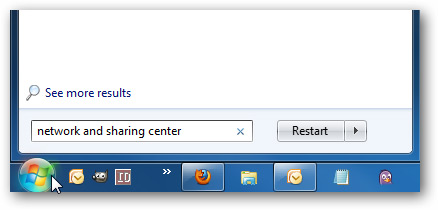
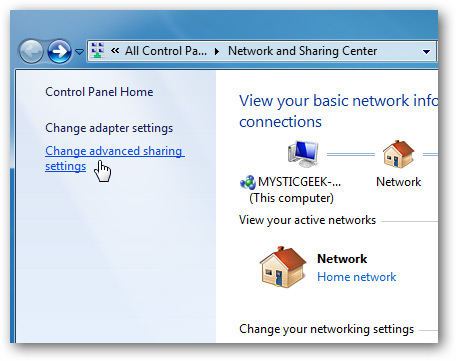
Then click Change advanced sharing settings.
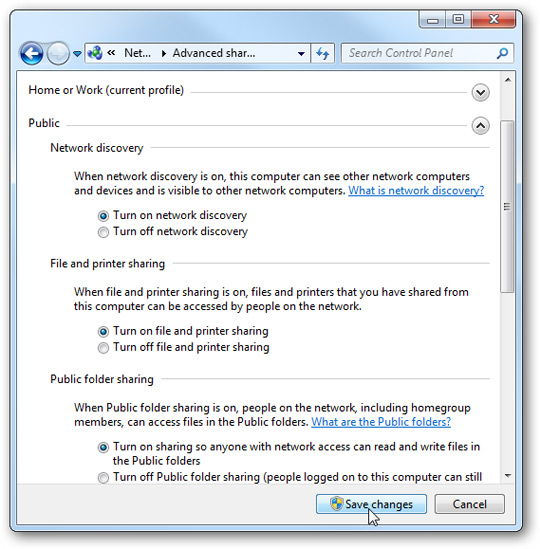
Now in the Advanced Sharing Settings section , make sure you enable Network discovery , File and printer sharing , and Public folder sharing . In the Home or Work section, make sure to enable enable mode.
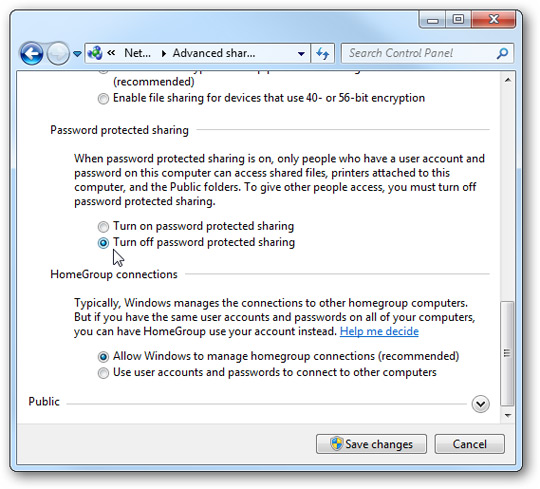
Depending on your settings, you may want to turn off password protection. Otherwise you will need password protection for each machine. This setting depends on the importance of data sharing in the network.
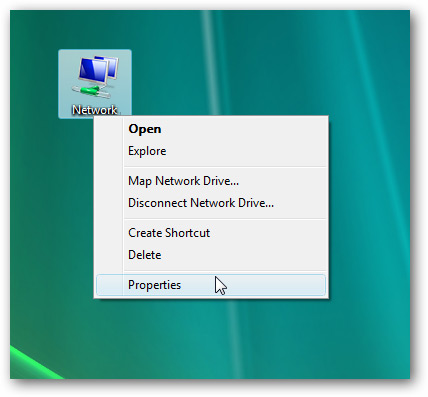
Create sharing settings in Vista In Vista, right-click the Network icon and select Properties .
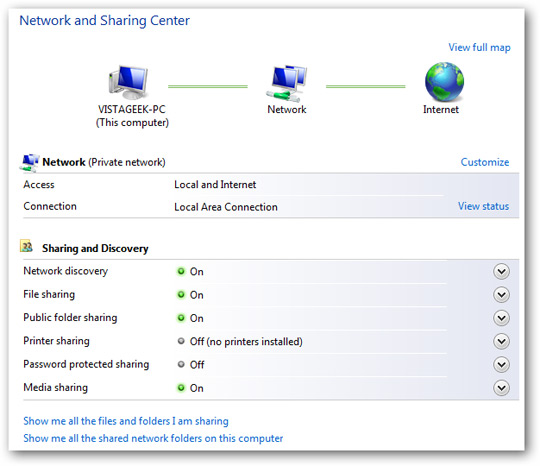
The Network and Sharing Center window opens. Under Sharing and Discovery, we need to turn on File Sharing , Public Folder Sharing , and Network Discovery .
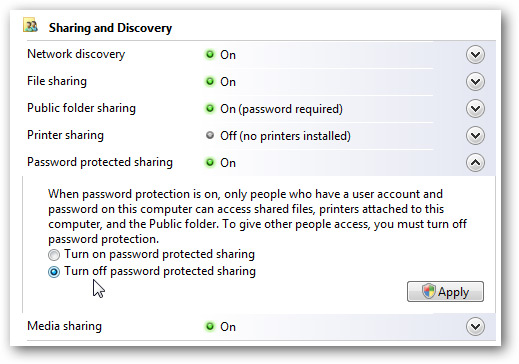
Also on Vista machines, you can turn off password protection to share files and printers.
Page 2: Share Files in Windows 7
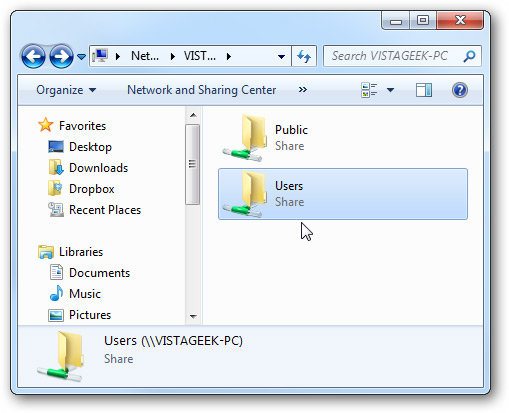
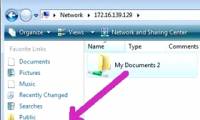
Share Files in Windows 7 Now we have the correct settings on each machine. Now check it out. Open Network on Windows 7, and you'll see all the machines on that network. The Vista machine in this example is VistaGeek-PC .
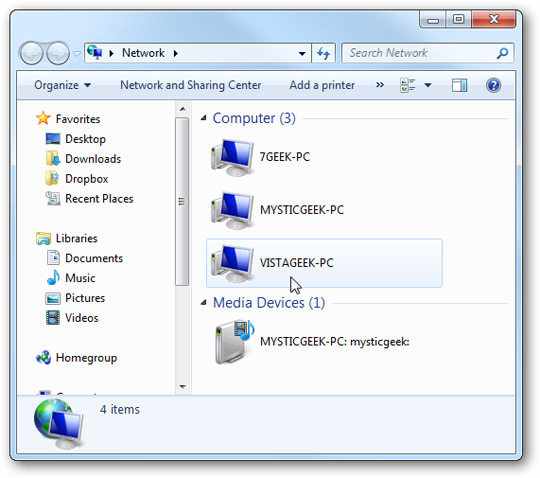
No password is required to access the vista machine because the password protection is turned off. You can now see the shared folders. In this example, both the user and public directories have been shared.
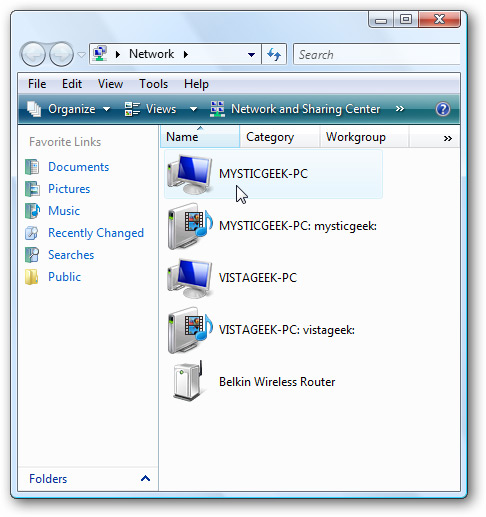
Share files in Vista Now on your Vista machine, double-click on the Network icon and you will see the Windows 7 machine named MYSTICGEEK-PC
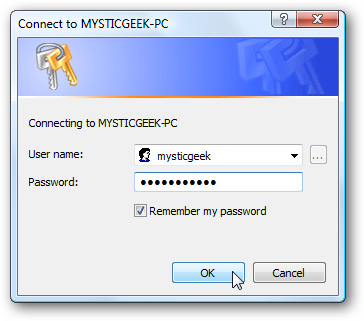
We allow password protection on Windows 8 machines so we will see the login screen displayed before connecting.
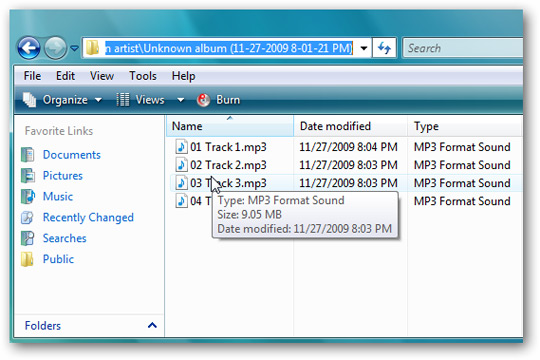
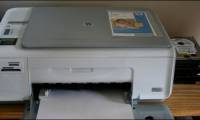
You will then see the shared folders and devices. Here you can see that HP printers connect to available Windows 7 machines on the network.
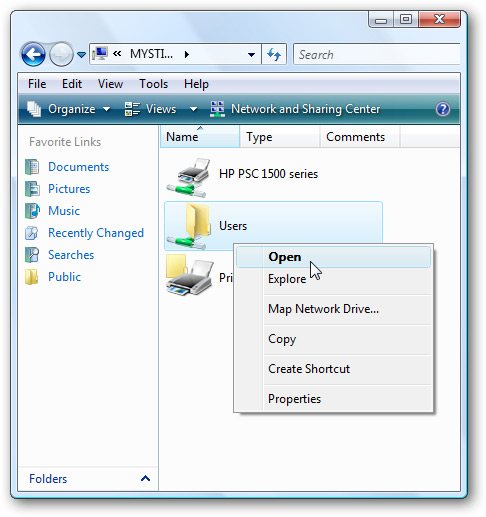
And you can continue to browse all the shared files and folders
Page 3: Share the printer
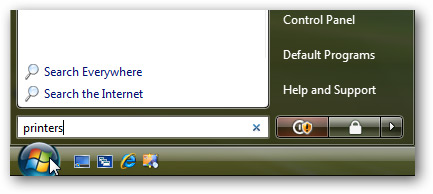
Share the printer As we saw above, you can see that the printer is connected to a Windows 7 machine. Make sure we can connect to it and can print a test text. In Vista, click the Start menu and type printers in the Search box and press Enter.
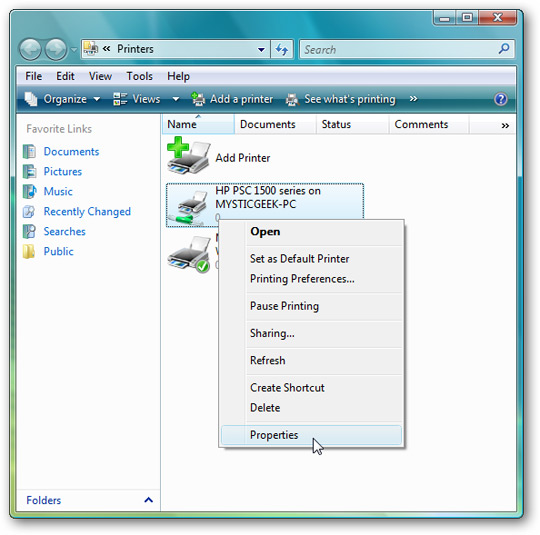
Right-click on the shared printer and select Properties
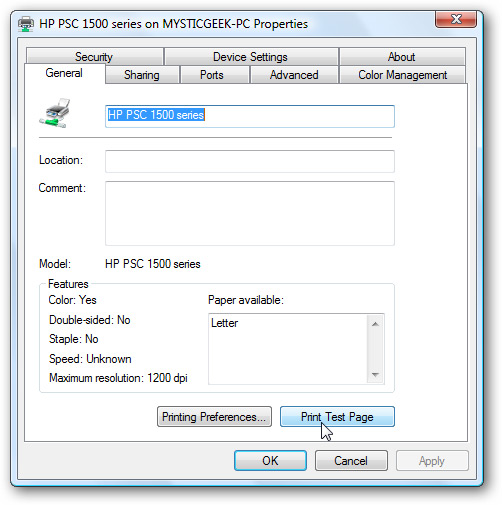
Under the General tab, click the Print Test Page button
The following message appears when the test print page is printed on the printer connected to the Windows 7 machine.
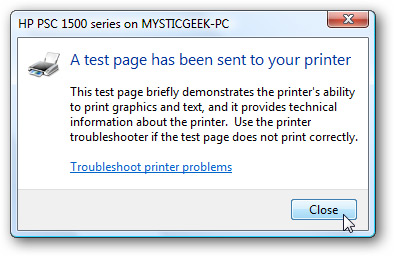
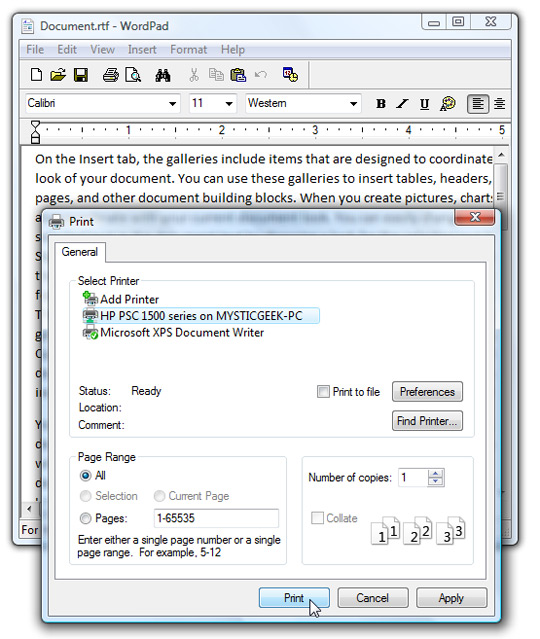
Another test you might want to do is open the test print page and make sure you can print it on a Windows 7 printer.
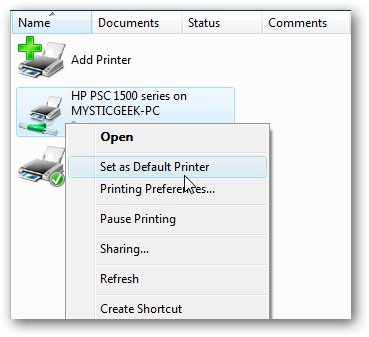
Once printed successfully, you may want to set it as the default printer
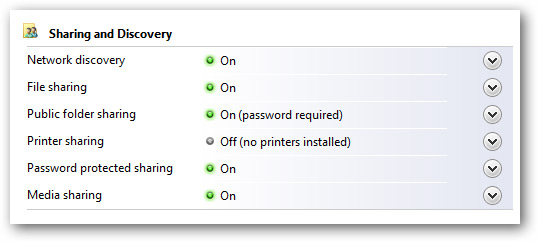
Sovle problems If your machine can't see each other or the printer doesn't work. Here are a few steps you can use to determine where the problem is. Double-check to make sure Network Discovery and File and Print Sharing are enabled on both machines as shown below.
In this example, both machines are connected to Belkin wireless routers and IP addresses are dynamically allocated. If you use a static IP address, make sure you can ping the IP of each machine. If not, check the IP address and network cable on two machines.
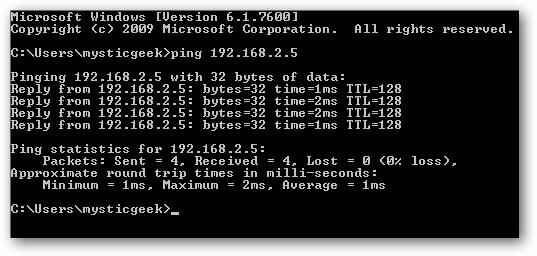
If the printer does not work, double-check to make sure you have the latest drivers installed for each operating system
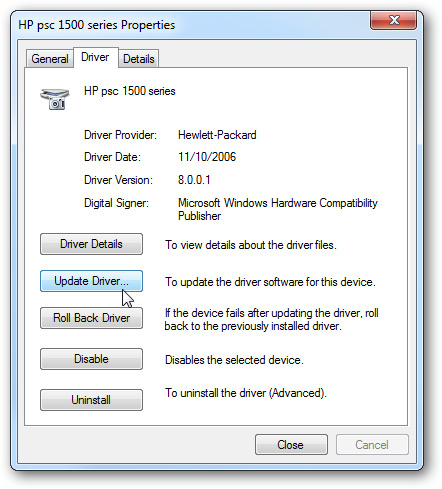
Conclude This tutorial shows you how to share folders, files, and printers between two Vista and Windows 7 machines. In this test, we don't need to install any other drivers for the printer as you might have to do. when sharing a printer between XP and Windows 7. The result with the printer is very different depending on the model of the printer and its settings. Older printers obviously have problems with the driver, that is, it does not work with Vista and or Windows 7.
FAQ
What is Share Files and Printers Between Windows 7 and Vista about?
It provides a structured overview of Share Files, explains the main context, and highlights practical takeaways for readers.
Why does this topic matter?
Understanding the main concepts helps readers evaluate the issue, avoid common mistakes, and make better-informed decisions.
How should readers use this information?
Use the guidance as a practical starting point, confirm details that may have changed, and follow current product, safety, or security recommendations.
Related Articles
 Share Printers: Share Files and Printers Windows 7 and Windows Xp8 minutes read
 Xp: Set up a Multi-operating Home Network13 minutes read
 Use Windows 7 Homegroup to Share Files and Printers4 minutes read
 Connect Your Windows XP Computer from Windows Vista4 minutes read
 How to Share Printers in LAN on Windows, Mac, Linux6 minutes read
 Photo Printers for Phones: Top 6 Best Mobile Photo Printers 20197 minutes read
Reader Comments 0
Sign in with email or Google to join the discussion.