Table of Contents
Perplexity is an AI answer service built around searching and summarizing information with source links. It can help you find a starting point for research, compare sources, and ask follow-up questions. Its citations make verification easier, but they do not guarantee that an answer is accurate or complete.
What it is useful for
- Getting oriented: Find terminology, major questions, and potential sources on an unfamiliar topic.
- Comparing information: Ask for a structured comparison with evidence for each criterion.
- Following up: Narrow a broad question, investigate a disputed claim, or request the underlying document.
- Research synthesis: Use an available research mode for a question that requires several searches and a longer report.
Search coverage is limited by what the service can retrieve. A paywalled page, inaccessible document, or recent change may be missed. A source can also be old even when the answer was generated moments ago.
Use a focused question
- Open the official Perplexity service and select the search or research option available to your account.
- Specify the topic, location, time period, and decision you need to make.
- Ask for primary sources and a distinction between established facts, inference, and uncertainty.
- Review the answer and open the citations supporting the important claims.
- Follow up on gaps rather than repeatedly requesting a longer version of the same summary.
For example: “Compare the official support policies for these three software products. Use current vendor documentation, list the dates, and mark any policy you cannot verify.”
What Research mode changes
A research mode can investigate a multi-part question and assemble a more detailed synthesis than a quick answer. It does not scan the entire internet or reliably filter out every false claim. The number of searches and completion time depend on the task and service behavior.
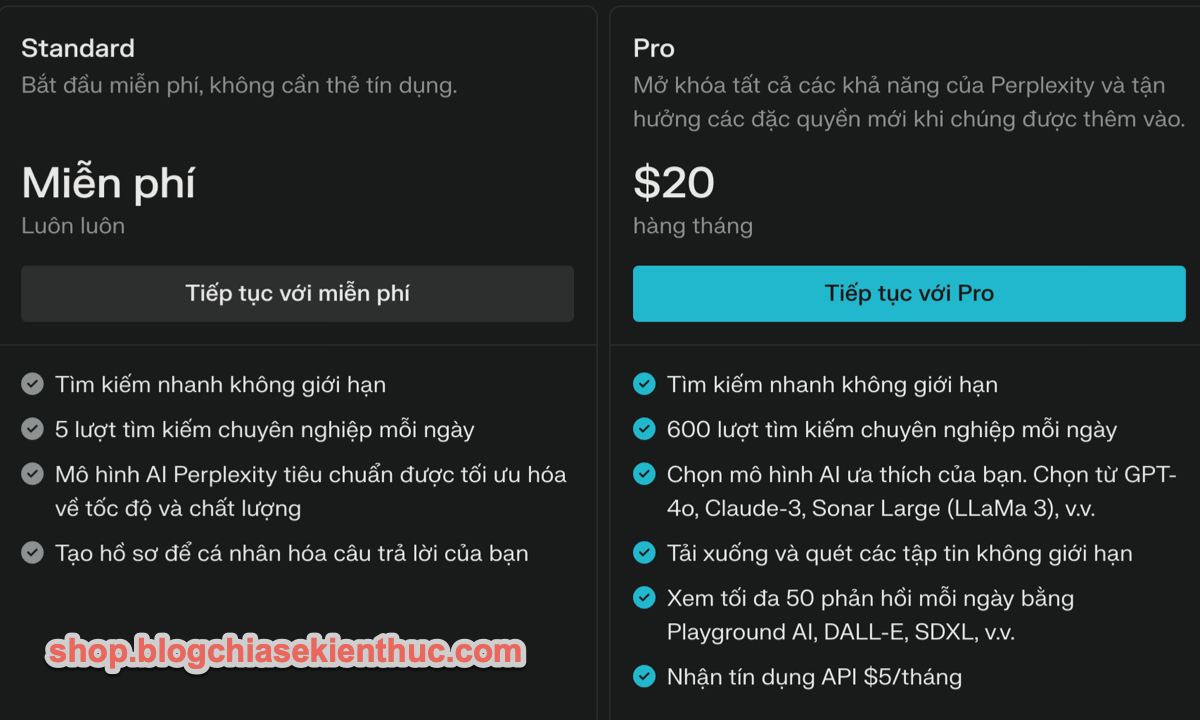
Example Perplexity interface from the original article; model choices, labels, and allowances may change.
Give the research task boundaries: what to include, what to exclude, which jurisdictions or versions matter, and the output you need. A long report is only useful if you can trace its conclusions to relevant evidence.
Check the citations, not just their presence
- Open the page. Confirm that the source exists and is the document named in the answer.
- Find the supporting passage. Check whether it supports the whole claim, not merely a related topic.
- Check dates and scope. A statement about one country, product version, or study population may not apply elsewhere.
- Prefer original evidence. Vendor documentation, legislation, datasets, and research papers are usually stronger than summaries repeating one another.
- Resolve disagreement. Look for independent evidence and explain uncertainty instead of choosing the most confident summary.
For consequential medical, legal, or financial decisions, use qualified guidance and authoritative current sources. A benchmark score or an AI-generated market forecast is not a guarantee for your specific situation.
Plan limits, exports, and privacy
Check current account allowances and official pricing before subscribing. Model availability and export or sharing options change; do not assume an old Pro description still applies. A shared report can expose the question, answer, citations, or uploaded material, so review its audience before sending it.
Organize longer work with Perplexity Projects, while keeping sensitive files out of unapproved services. If you need a different research workflow, compare specialist AI tools by task.
Perplexity is most valuable when it shortens the route to good sources and a clearer question. Treat its answer as a research draft to verify, not as evidence in its own right.


Reader Comments 0
Sign in with email or Google to join the discussion.