Table of Contents
Perplexity can help with the first stages of academic research by searching the web, summarizing results, and placing citations beside its claims. It should be used as a discovery tool rather than treated as an academic source: open the cited paper, evaluate it, and cite the original publication in your own work.
Start with a focused research question
Sign in to Perplexity and enter a question that identifies the topic, population, time period, and type of evidence you need. A narrow question is easier to verify than a broad request such as “tell me everything about climate change.”
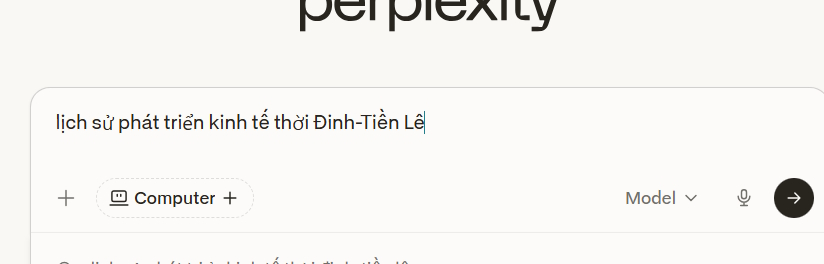
For example: “Find peer-reviewed systematic reviews published since 2020 on the effect of remote learning on university student outcomes. Separate findings about achievement, engagement, and equity.”
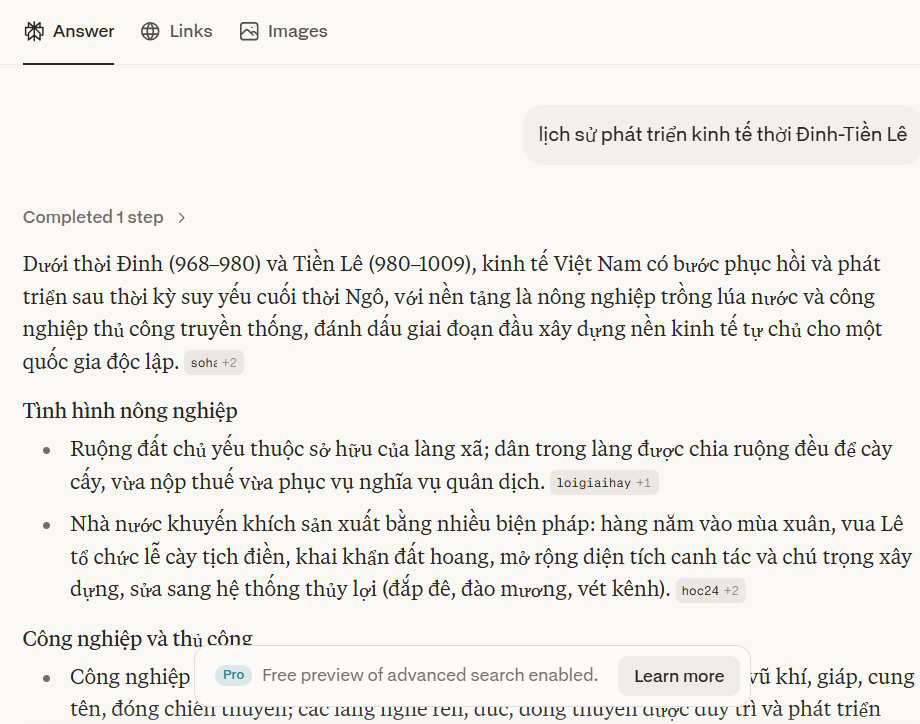
Refine the search with follow-up questions
Read the initial answer and use follow-up prompts to expose gaps. Ask for competing explanations, limitations, definitions, or evidence that contradicts the first summary. If your plan includes Research or Pro Search modes, use them for questions that require multiple searches—but do not assume a longer answer is automatically more reliable.
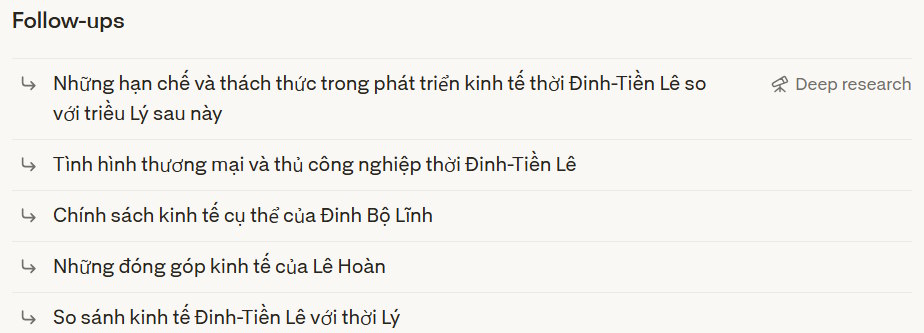
Inspect every citation
Open the source panel or the numbered citation beside a claim. Check whether the link leads to the original paper, a press release, a news report, or a page that merely cites another source. For academic work, prefer the original journal article, conference paper, dataset, or official report.
Before using a source, confirm:
- the authors, publication date, and journal or publisher;
- whether it was peer reviewed or is a preprint;
- the sample, methods, and limitations;
- that the quoted result appears in the source and has not been stripped of context;
- whether a newer review, correction, or retraction exists.
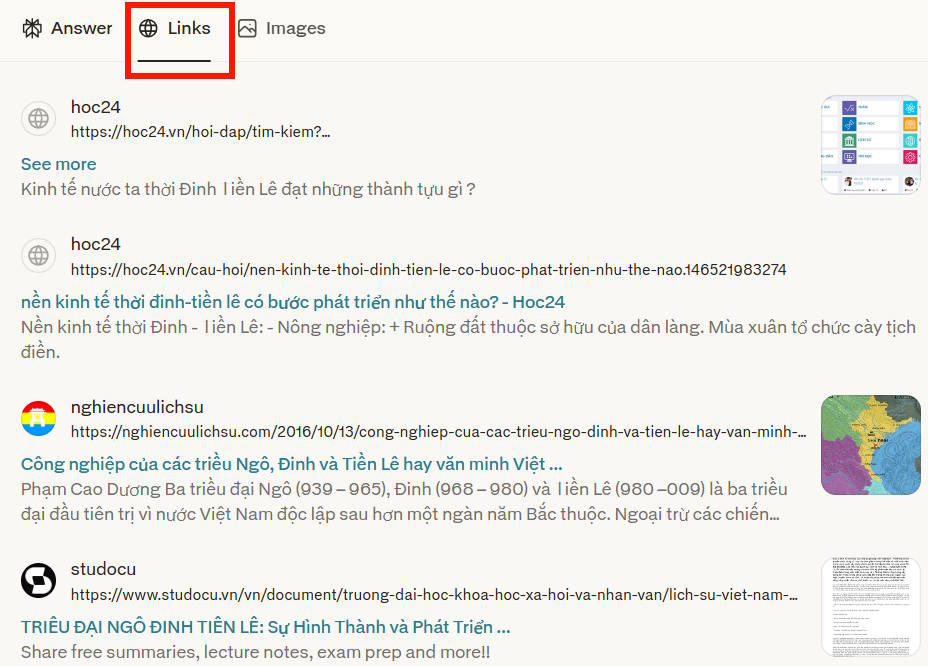
Use the Links and Images panels carefully
The Links or Sources area is useful for opening references in separate tabs. Save the original bibliographic details in your reference manager rather than citing Perplexity's answer. Citation styles and page numbers should be checked against the paper itself.
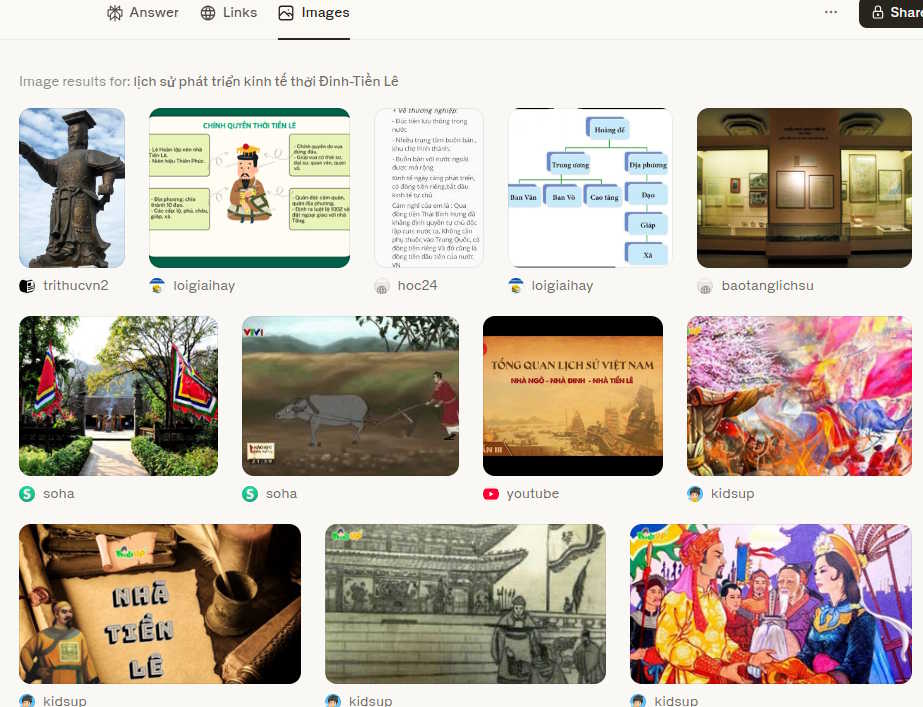
The Images panel can help locate diagrams and illustrations, but appearing in search results does not grant permission to reuse an image. Open the source, check the license and attribution requirements, and use public-domain or appropriately licensed material whenever possible.

Turn the search into a research workflow
- Write the research question and inclusion criteria before searching.
- Use Perplexity to identify terminology, landmark papers, and likely databases.
- Repeat the search in subject databases such as PubMed, IEEE Xplore, JSTOR, or your library catalog when relevant.
- Read the full sources and record methods, results, and limitations in your own notes.
- Draft from those notes, then verify every citation in the final text.
Perplexity's help center explains that answers are synthesized from web searches. Its own guidance also recommends reviewing original sources. For a comparison with a tool centered on uploaded source collections, read NotebookLM vs. ChatGPT.
Important limitations
AI search tools can misread a paper, combine unrelated findings, or produce a citation that does not support the associated sentence. Coverage also depends on what is indexed and accessible. For a systematic or high-stakes review, follow a documented search protocol and consult a librarian or subject specialist rather than relying on one AI service.
Related Articles
 How to Use the Space Feature in Perplexity AI7 minutes read
 How to Create API Key Perplexity8 minutes read
 How to Integrate Gemini with Perplexity AI: Step-by-Step Guide6 minutes read
 How to Write Effective Perplexity Prompts5 minutes read
 Tips for creating professional documents, slides,8 minutes read
 Why Is a Perplexity Pro Subscription Worth It: Causes and Fixes6 minutes read
Reader Comments 0
Sign in with email or Google to join the discussion.