Table of Contents
This updated guide explores instructions to change the default file explorer folder with practical details, clear explanations, and useful takeaways. By default, File Explorer opens to the Home folder, which contains recently used folders and files in Quick Access. Still, if someone accesses your computer, they will accidentally see the files you have accessed recently.
Change Default File Explorer to This PC
File Explorer has three default folders that you can swap between including Home, This PC, and OneDrive from Windows 11 build 22593 onwards.
In the File Explorer interface, users select the 3-dot icon and select Options in the displayed menu.

Then at Open File Explorer you choose the new default folder according to your usage needs.

Use Shortcuts to Change File Explorer
If you access File Explorer through the Windows toolbar, you can change the shortcut to open a folder instead of launching File Explorer.
Step 1:
Find the folder you want to set as the new default via File Explorer. Then, right-select the folder and select Show more options , then select Send to, then select Desktop (create shortcut) .

Step 2:
Copy the path below and paste it into the File Explorer address box at the top and press Enter. This will open the Taskbar folder containing shortcuts.
%APPDATA%MicrosoftInternet ExplorerQuick LaunchUser PinnedTaskBar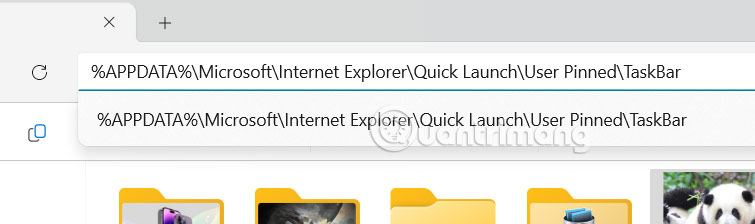
Step 3:
The user proceeds to drag the folder shortcut created above into this folder .
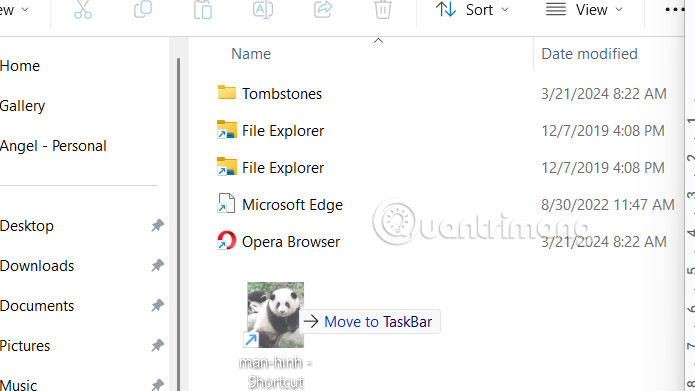
Step 3:
Finally, delete the existing File Explorer shortcut and rename the new shortcut to File Explorer . This way, when you open it, that folder will be displayed.
To return to the old way, unpin File Explorer on the Taskbar, then create a new pin for File Explorer.
FAQ
What is the main takeaway about Instructions to Change the Default File Explorer Folder?
The key is to understand the core idea, compare the available options, and apply the practical guidance that matches your situation.
What should beginners know about Instructions to Change the Default File Explorer Folder?
Start with the essential steps and terminology. Avoid changing advanced settings until you understand how they affect performance, privacy, cost, or compatibility.
How can I use this information in practice?
Follow the relevant section in order, test one change at a time, and confirm the result before moving to the next step or recommendation.
Related Articles
 How to Unpin Default Folders Windows 114 minutes read
 How to Change the Default Opening Location of File Explorer3 minutes read
 Change the Default Download Folder on Internet Explorer3 minutes read
 File Explorer: Complete Guide: Onedrive Is About to Become the Default3 minutes read
 How to Open Folder Options or File Explorer Options in Windows 102 minutes read
 How to Change the Default View of File Explorer Windows 114 minutes read
Reader Comments 0
Sign in with email or Google to join the discussion.