Table of Contents
Install Ubuntu on Windows 8 is easier to understand when the core ideas are paired with practical examples. The sections below explain the topic clearly, highlight useful steps, and point out details that can prevent common errors.
TipsMake.com - The article will guide users to install Windows 8-based Ubuntu operating system with the built-in Hyper-V virtual machine software in Windows 8.
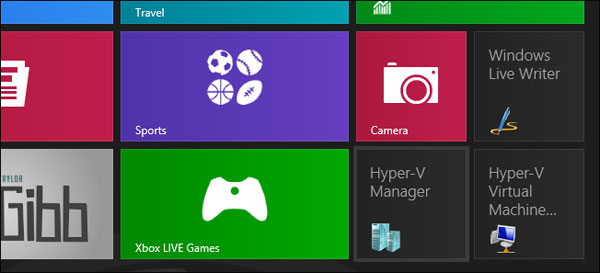
Open Hyper-V Manager from the Start Screen screen.
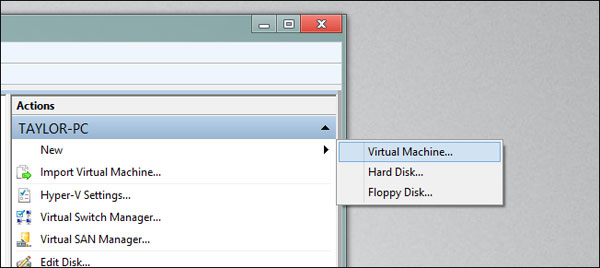
On the right side of the Actions pane, click New and select Virtual Machine from the context menu.
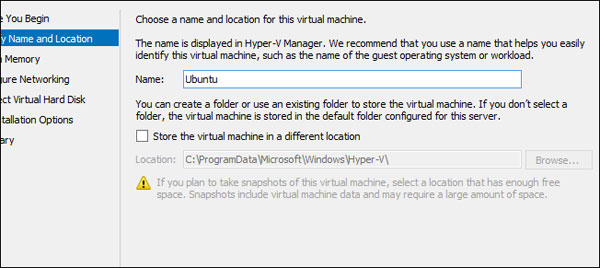
If this is your first time using Hyper-V, a Before You Begin screen will appear. Just click Next to continue then name the virtual machine and click Next again.
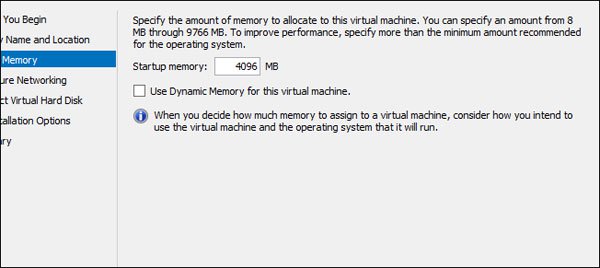
Select the amount of RAM you want to allocate to the virtual machine.
If you have previously established a network connection, it is possible for other virtual machines, users will be able to select one of the current networks. Then click Next .

Next, the user needs to allocate memory to the virtual machine then click Next to continue.

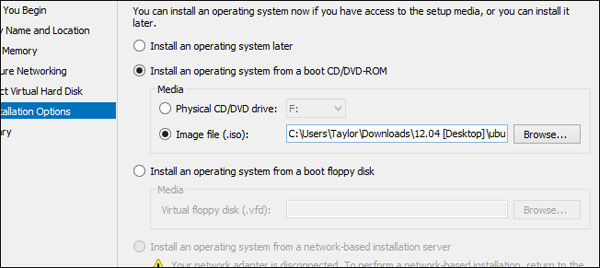
At this point, we will need to use an ISO file to install the OS. Check the Image file option (.iso) and click Browse .
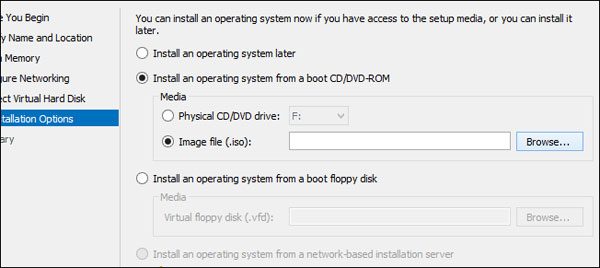
Choose Ubuntu ISO file.
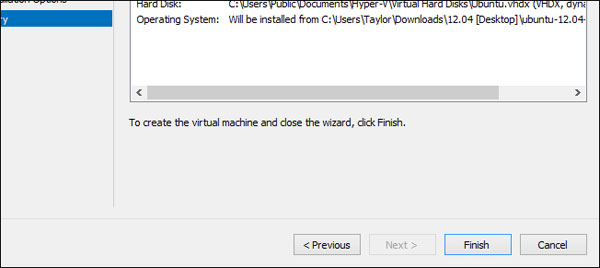
Now, click Finish and wait a while while the virtual machine is created.
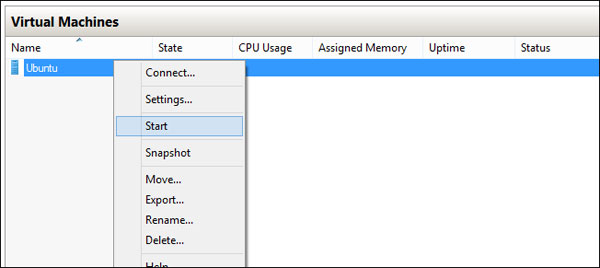
Now, we will need to launch the virtual machine by right-clicking on the machine icon and selecting Start from the context menu.
After the virtual machine starts, double-click the machine to open the driver.
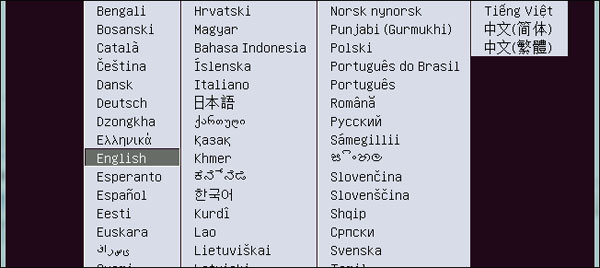
Those are the things to do. Now you have a Windows-based Ubuntu operating system. Good luck!
FAQ
What is Install Ubuntu on Windows 8?
TipsMake.com - The article will guide users to install Windows 8-based Ubuntu operating system with the built-in Hyper-V virtual machine software in Windows 8.
Why is Install Ubuntu on Windows 8 important?
A clear understanding of Install Ubuntu on Windows 8 helps you make informed decisions, avoid common mistakes, and use the relevant tools or techniques more effectively.
How should beginners approach Install Ubuntu on Windows 8?
Start with the fundamental concepts, follow the examples step by step, and test each change in a safe environment before applying it to important systems or data.
Related Articles
 How to Install Ubuntu in Parallel with Windows Using USB9 minutes read
 How to Install Ubuntu 26.04 LTS on a PC or Laptop10 minutes read
 How to Install Ubuntu Linux Without Cd (Windows)14 minutes read
 How to Install Windows from Ubuntu: Clear Instructions12 minutes read
 Ways to Install Ubuntu on Windows, Run in Parallel or Run14 minutes read
 Install and Use 7 ZIP on Ubuntu Linux7 minutes read
Reader Comments 0
Sign in with email or Google to join the discussion.