Table of Contents
This updated guide examines How to Use Net Writer to Blog on Windows 10 and organizes the essential facts, background, and practical takeaways in clear American English.
- How to create a blog site with Google Docs
- Instructions for creating websites with WordPress from A to Z
- 7 great HTML effects anyone can add to their website
- Ways to change website domain names on WordPress
Instructions for using Net Writer blog
Step 1:
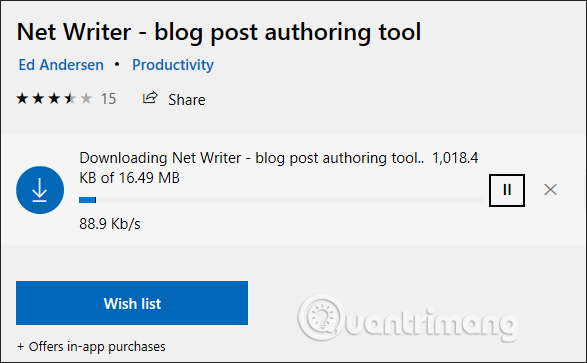
We install the Net Writer application on Windows 10 according to the link below.
- Download Windows 10 Net Writer application
Step 2:
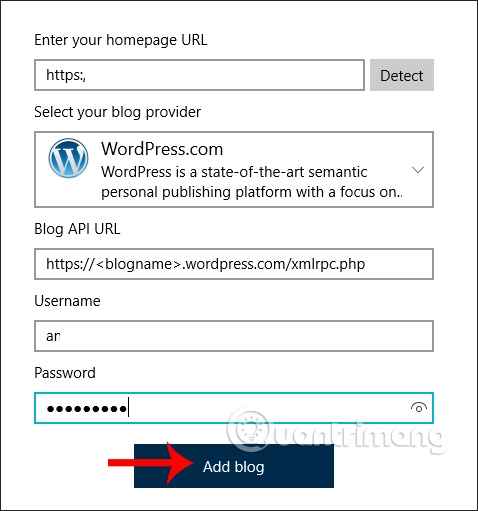
Displaying the interface of the application, we select the type of blog you want to use by clicking on the Select your blog provider line . Then display the list of blogs that the application supports.

Continue to enter the information of the blog site you choose. We enter the blog site address at Enter your homepage URL, click the Detect button to get the API and display at the Blog API URL, enter the account name and the blog password. Finally, click Add blog .
Step 3:
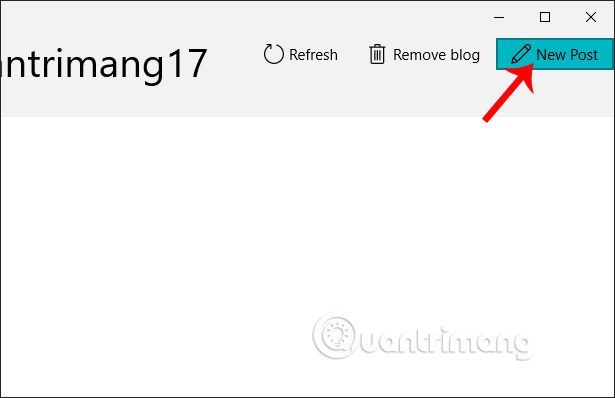
Soon display the interface to write content on the blog. Click the article to edit it if you have it or click New Post to create a new post.
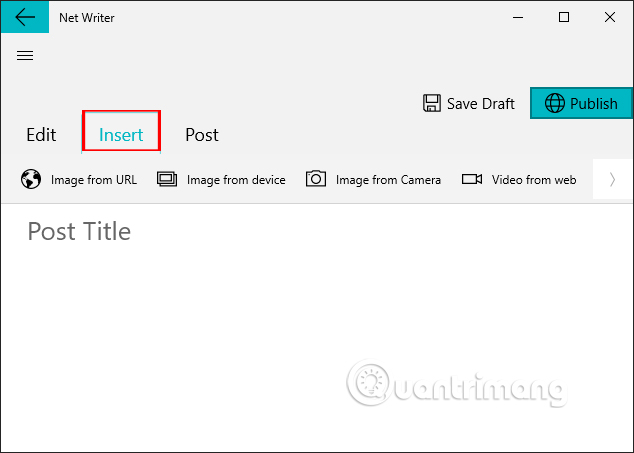
Show the editor interface. Here the user has 3 interfaces to edit the content of the article. At Edit we format text as bold, italic, center.
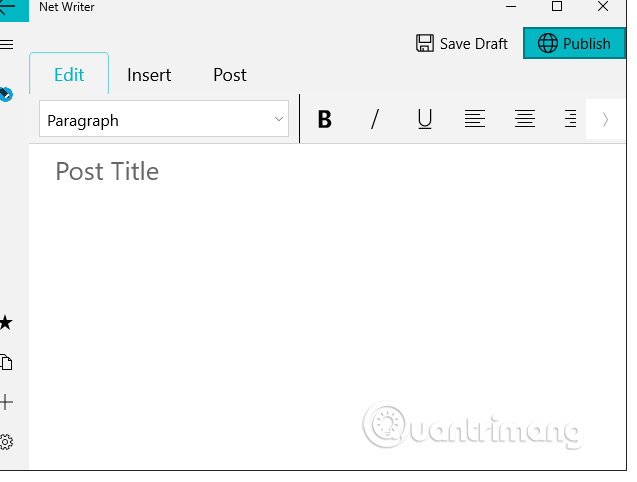
Insert card to insert photos, links, YouTube and Vimeo videos.
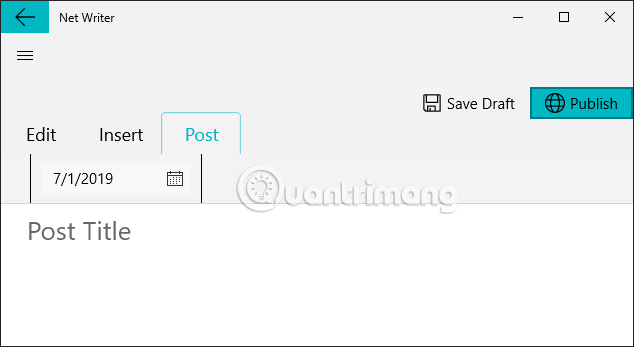
Post tags are used to create labels, schedule posting posts.
Step 4:
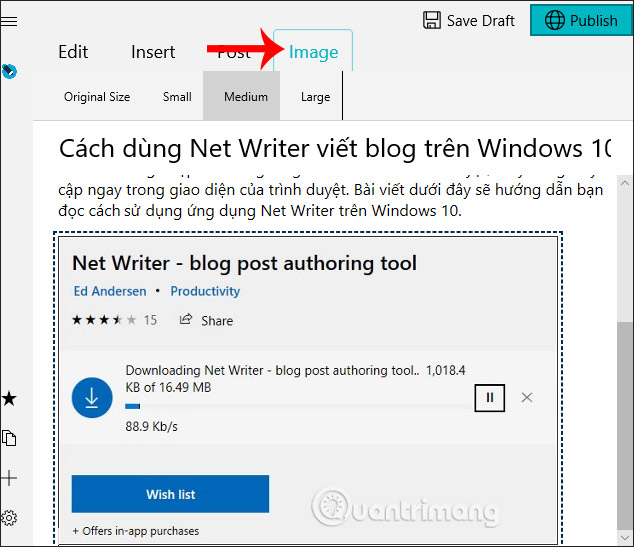
While composing content, there are enough Heading tags to apply to the title of the article. When resizing the image , users need to click on the Imgae tab at the top. Then there are many options to resize images such as Small, Medium,.
Step 5:
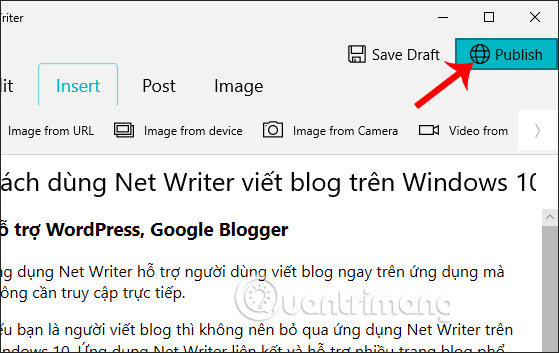
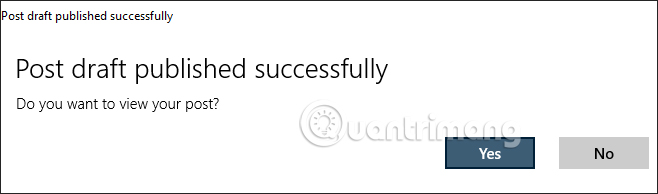
After composing the content press the Publish button to post the article.
Pop-up display asks users if they want to see posts posted to the blog. If you want to see the post on the blog, click Yes.
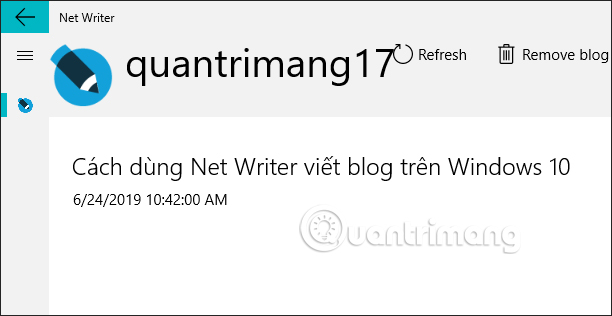
Also the article is displayed on the Net Writer interface. Continue clicking New Post to write more content.
Step 6:
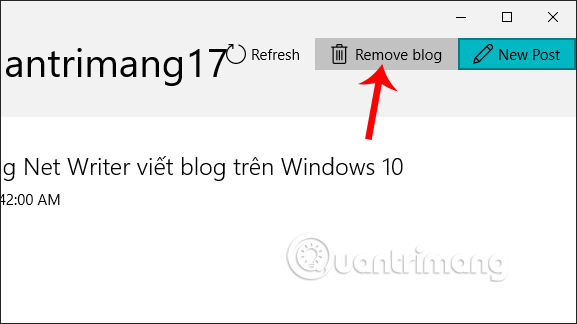
To exit the blog account that is currently logged in on the Net Writer application, click on Remove blog .
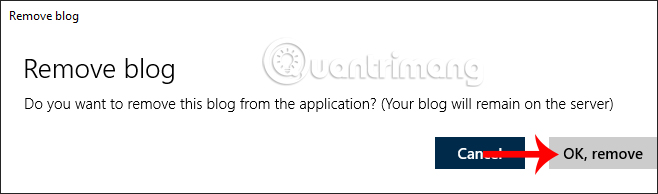
Click OK, remove to exit this blog. The account you login is still saved at the server system. Because you are using a free version, users can only use one blog.
Net Writer brings a simple and fast blogging application. However, with the free version the manufacturer limits many features. Users can upgrade to the Pro version to use some additional features such as logging in to multiple blog accounts, saving to drafts, syncing via OneDrive.
I wish you all success!
FAQ
What is How to Use Net Writer to Blog on Windows 10 about?
It provides a structured overview of Net Writer windows 10, explains the main context, and highlights practical takeaways for readers.
Why does this topic matter?
Understanding the main concepts helps readers evaluate the issue, avoid common mistakes, and make better-informed decisions.
How should readers use this information?
Use the guidance as a practical starting point, confirm details that may have changed, and follow current product, safety, or security recommendations.
Related Articles
 Write Blog with Microsoft Word 2013: Blog Tutorial3 minutes read
 10 Tips When Using Libreoffice Writer: Libreoffice Writer Templates8 minutes read
 How to Start a Blog: Step-by-Step Guide13 minutes read
 How to Use Net Writer to Write Blogs on Windows 10 - WordPress and Google6 minutes read
 How to Choose Your Blog Name: Step-by-Step Guide11 minutes read
 How to Set up Libreoffice Writer to Run Like Microsoft Word7 minutes read
Reader Comments 0
Sign in with email or Google to join the discussion.