Table of Contents
This updated guide examines Itunes: How to Update Your Iphone and organizes the essential facts, background, and practical takeaways in clear American English.
Method 1of 3:
Updating Wirelessly
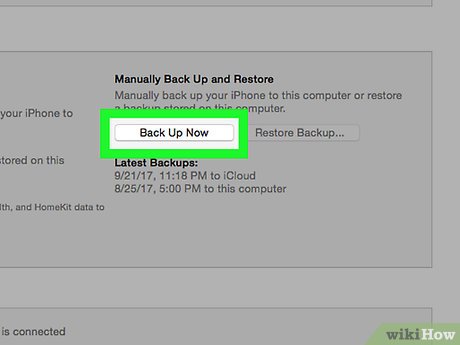 Back up and save your personal data to iCloud or iTunes. This will help prevent data loss in the event the update fails to complete.
- Tap on 'Settings' > 'iCloud' > 'Backup,' then tap on 'Back Up Now.' Alternately, follow these steps to back up your iPhone to iTunes.
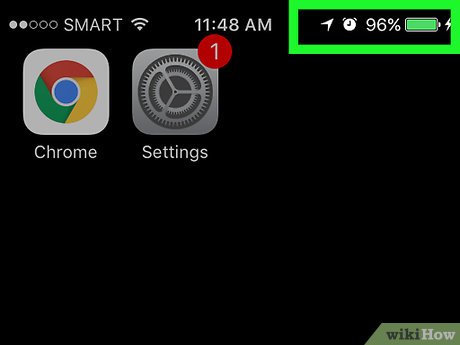 Connect your iPhone to a power source. This will prevent your device from powering down unexpectedly at any point during the update.
 Tap on 'Settings,' then tap on 'General.'
 Tap on 'Software Update,' then tap on 'Download and Install.'
 Tap on 'Install,' then enter the passcode for your iPhone, if applicable. Apple will download and install the latest updates to your device, which may take up to several minutes to complete.[1]XResearch source
- If your iPhone displays an error saying it lacks enough free space to complete the update, either delete apps from your device manually to free up space, or follow the steps outlined in Method Two to update your iPhone using iTunes.
Method 2of 3:
Updating Using iTunes
 Back up and save your personal data to iTunes or iCloud. This will help prevent data loss in the event the update fails to complete.
- Tap on 'Settings' > 'iCloud' > 'Backup,' then tap on 'Back Up Now.' If you want your data backed up using iTunes, continue with the following steps.
 Launch iTunes on your Windows or Mac computer.
 Click on 'Help' or 'iTunes' at the top of your session and select 'Check for Updates.'
 Follow the on-screen instructions to install any available iTunes updates. Your iPhone can only be updated using iTunes if iTunes is running the latest software.
 Connect the iPhone to your computer using a USB cable. iTunes will take a few moments to detect your device.
 Click on your iPhone when it displays in iTunes, then click on the 'Summary' tab.
- If you need to back up your iPhone to iTunes, click on 'File,' point to 'Devices,' and select 'Back Up.' Proceed with the following steps when the backup process is complete.
 Click on 'Check for update,' then click on 'Download and Update.' iTunes will install the latest iOS updates to your iPhone.
 Wait for iTunes to inform you the update is complete, then eject the iPhone from your computer.
Method 3of 3:
Troubleshooting iPhone Updates
 Install any available OS updates from Microsoft Windows or Apple on your computer if you are unable to update your iPhone using iTunes. In some cases, running older versions of software on your computer can prevent iTunes from communicating with Apple's servers.
- Windows: Click on 'Start' and select 'Control Panel,' then click on 'System' and select 'Automatic Updates.'
- Mac OS X: Click on the Apple menu, and select 'Software Update.'
 Try disabling or uninstalling any security software running on your computer if you are unable to update your iPhone using iTunes. Some third-party software programs can interfere with your being able to install the latest iOS updates in iTunes.
 Remove any extra USB devices from your computer if you're having problems installing iOS updates using iTunes. Printers, scanners, USB flash drives, and other USB-compatible devices may interfere with the installation of iOS updates.[2]XResearch source
 Try restarting your iPhone or your computer if you experience problems installing iOS updates wirelessly or using iTunes. In some cases, restarting your devices can help correct any bugs or problems interfering with the update process.[3]XResearch source
 Try using another USB cable or USB port if iTunes is unable to recognize your iPhone. Problems with faulty hardware can prevent your computer from detecting your device and installing the latest iOS updates using iTunes.
FAQ
What is Itunes: How to Update Your Iphone about?
It provides a structured overview of itunes, explains the main context, and highlights practical takeaways for readers.
Why does this topic matter?
Understanding the main concepts helps readers evaluate the issue, avoid common mistakes, and make better-informed decisions.
How should readers use this information?
Use the guidance as a practical starting point, confirm details that may have changed, and follow current product, safety, or security recommendations.
Related Articles
 Rate iPhone 11 to iOS 14.5: Update Now, Don't Hesitate!14 minutes read
 Should iPhone 7, Update iOS 14?3 minutes read
 Evaluation of iPhone 12 Pro Max to iOS 14.6: No Longer10 minutes read
 Should iPhone X Upgrade to iOS 15?3 minutes read
 Detailed Review of iPhone 7 to iOS 14.412 minutes read
 Should iPhone 8, iPhone 8 Plus Go to iOS 15?4 minutes read
Reader Comments 0
Sign in with email or Google to join the discussion.