Table of Contents
This updated guide examines How to Remove Avast and organizes the essential facts, background, and practical takeaways in clear American English.
Method 1of 2:
Removing Avast from Windows
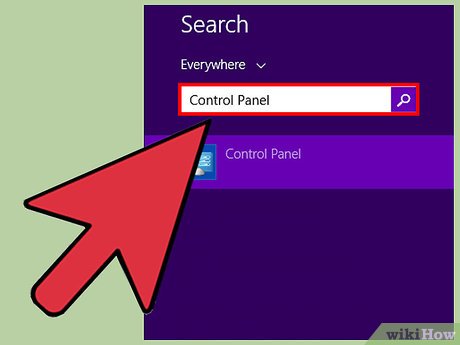 Click on the Start menu and select 'Control Panel.' The Control Panel window will open and display on-screen.
- If using Windows 8, swipe in from the right side of the screen and tap on 'Search,' or point to the upper-right corner of your screen, move the mouse pointer down, and click on 'Search' to locate Control Panel.[1]
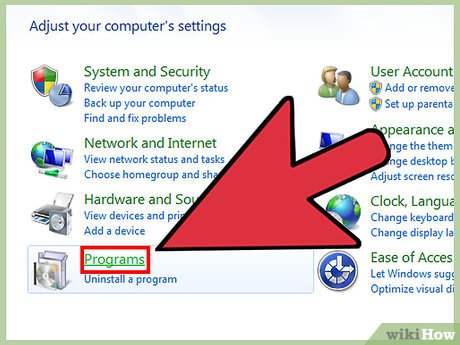 Click on 'Programs,' then select 'Programs and Features.'
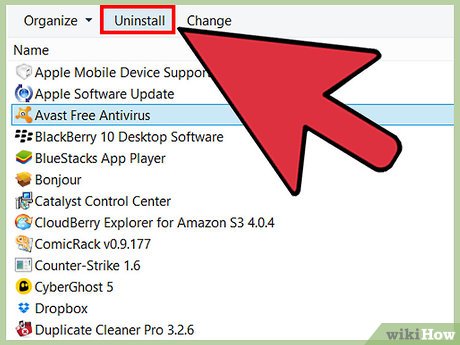 Click on the Avast program you want removed, then select 'Uninstall.' Windows will guide you through removing Avast, or will begin removing Avast from your system automatically.
- If you receive an error message or experience difficulties with removing Avast using Control Panel, proceed to step #4 to finish removing Avast from your computer.
 Go to the Avast website athttps://www.avast.com/en-us/uninstall-utilityand click on the 'avastclear.exe' link displayed on-screen. This link contains a unique uninstall utility that will help you remove Avast from your Windows-based computer.
 Select the option to save the.exe file to your desktop.
 Click on the 'Start' menu and select the option to restart your computer.
- Alternately, you can attempt to double-click on the.exe file, and select the option to have Avast restart your computer in Safe Mode.[2]
 Press and hold F8 on your keyboard as your computer boots up until the Advanced Boot Options menu displays on-screen. [3]
- If using Windows 8, swipe in from the right side of the screen, and navigate to Settings > Change PC Settings > Update and Recovery > Recovery > Advanced startup, then select the option to restart your computer in Safe Mode.[4]
 Double-click on the Avast.exe file saved on your desktop. This will launch and run the uninstall utility.
 Verify that the Avast program you want removed is displayed in the dropdown menu under 'Select product to uninstall.' If your Avast product is not displayed in the dropdown menu, click on the 'browse' icon and navigate to where you initially saved your Avast product at the time of installation.
 Click on 'Remove' or 'Uninstall.' The Avast uninstall utility will begin removing the Avast program from your computer, which may take up to several minutes to complete.
 Restart your computer and allow it to boot up normally. Avast will now be completely removed from your computer.[5]
Method 2of 2:
Removing Avast from Mac OS X
 Launch the Avast program you want removed from your computer.
 Click on 'Avast' and select Uninstall Avast.'
 When asked to confirm the uninstallation, click Uninstall.
 If asked for authentication, enter the administrator Name and Password.
 Click Quit after the uninstallation is finished. [6]
FAQ
What is How to Remove Avast about?
It provides a structured overview of avast, explains the main context, and highlights practical takeaways for readers.
Why does this topic matter?
Understanding the main concepts helps readers evaluate the issue, avoid common mistakes, and make better-informed decisions.
How should readers use this information?
Use the guidance as a practical starting point, confirm details that may have changed, and follow current product, safety, or security recommendations.
Related Articles
 How to Remove Avast Safezone Browser?3 minutes read
 How to Remove Avast Free Antivirus Software from the Computer4 minutes read
 How to Remove Avast Free Antivirus Completely from the Computer3 minutes read
 Troubleshoot Problems with Avast Free Antivirus in Windows 106 minutes read
 How to Remove Avast Free Antivirus on the Computer3 minutes read
 Scan: How to Use Avast Premier5 minutes read
Reader Comments 0
Sign in with email or Google to join the discussion.