Table of Contents
This updated guide examines How to Turn on Bitlocker in Windows and organizes the essential facts, background, and practical takeaways in clear American English.
Method 1of 3:
Windows 10
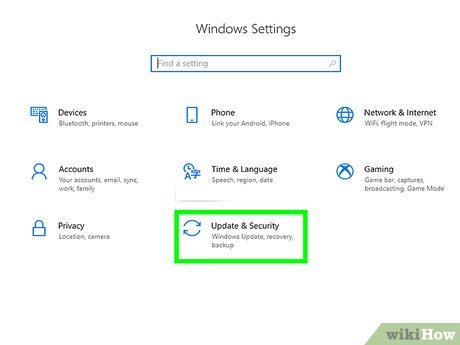 Go to Settings > Update & Security > Device encryption.
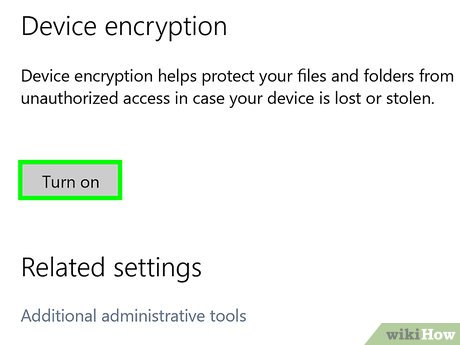 Choose "Turn on". This will enable BitLocker. It may take a while for the drive to fully encrypt.
Method 2of 3:
Windows 7 and Later
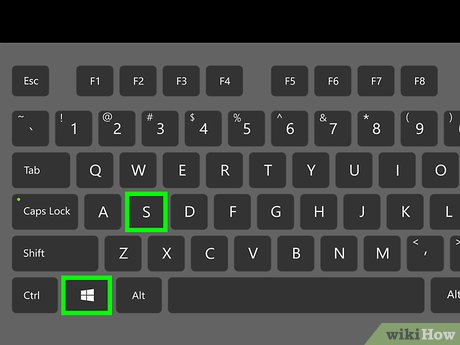 Press the Windows button on your keyboard and "S" at the same time.
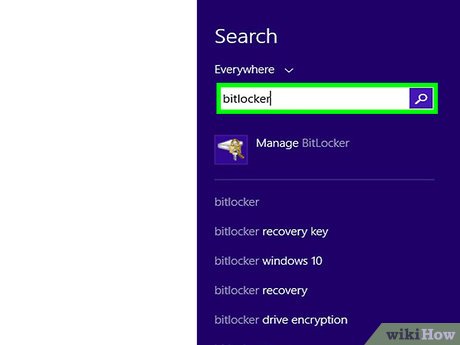 Type in "bitlocker" in the search window that comes up.
 Select "Manage BitLocker".
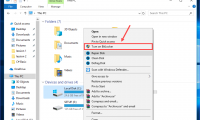
 Click on "Turn on BitLocker".
Method 3of 3:
Enabling BitLocker without Compatible TPM
 Log on with administrative privileges.
 Press the Windows button on your keyboard and "S" at the same time.
 Type and select GPEDIT. MSC
 On the left pane, select Computer Configuration > Administrative Templates > Windows Components > Bit Locker Drive Encryption > Operating System Devices.
 On the right, double-click 'Require additional authentication' at startup.
 Click the "Enabled" radio button. Double check that "Allow Bit Locker without a compatible TPM checkbox" is checked.
 Click OK and repeat the process for enabling BitLocker in Windows.
FAQ
What is How to Turn on Bitlocker in Windows about?
It provides a structured overview of bitlocker, explains the main context, and highlights practical takeaways for readers.
Why does this topic matter?
Understanding the main concepts helps readers evaluate the issue, avoid common mistakes, and make better-informed decisions.
How should readers use this information?
Use the guidance as a practical starting point, confirm details that may have changed, and follow current product, safety, or security recommendations.
Related Articles
 Turn Off Bitlocker: Complete Guide7 minutes read
 How to Turn Off Bitlocker5 minutes read
 What Is Bitlocker? How to Turn It on and Off on Windows 104 minutes read
 How to Use Bitlocker to Encrypt Data on Windows 85 minutes read
 Bitlocker: What It Is and How to Use It to Encrypt Data6 minutes read
 3 How to Disable BitLocker in Windows 103 minutes read
Reader Comments 0
Sign in with email or Google to join the discussion.