Table of Contents
This updated guide examines Click: How to Turn Off Windows Activation and organizes the essential facts, background, and practical takeaways in clear American English.
Method 1of 3:
Using Services
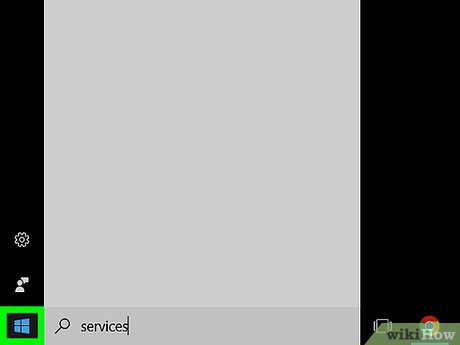 Open Start
 . Click the Windows logo in the bottom-left corner of the screen. The Start menu will open.
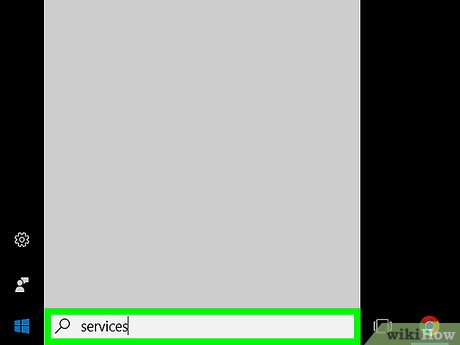 Typeservicesinto Start. Doing so searches for the Services app, which lets you control which system processes run.
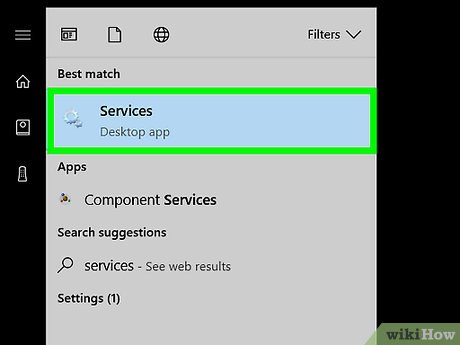 ClickServices. It's a gear-shaped icon at the top of the Start window. The Services window will open.
 Scroll down and clickSoftware Protection. You'll find this service in the "S" section of the window.
- On some computers, this will say sppsvc instead.
 Click the "Properties" icon. It's the folder-shaped icon just below the View tab in the upper-left side of the window. A new window will open.
 ClickStop. This option is in the middle-left side of the window. Doing so will prompt the Software Protection service to stop running.
- If this button is greyed out, you will need to use the Registry instead.
 ClickOK. It's at the bottom of the window. Your activation will remain off until you restart or update your computer, at which point you will need to disable it again.
Method 2of 3:
Using Registry Editor
 Open Start
 . Click the Windows logo in the bottom-left corner of the screen.
 Typeregeditinto Start. This will search for the Registry Editor command.
 Clickregedit. It's a collection of blue blocks at the top of the Start window.
 ClickYeswhen prompted. Doing so will open the Registry Editor window.
 Expand the "HKEY_LOCAL_MACHINE" folder. Click
 to the left of the "HKEY_LOCAL_MACHINE" folder in the top-left side of the Registry window.
- If you see an indented column of folders below "HKEY_LOCAL_MACHINE", it's already expanded.
 Expand the "SYSTEM" folder. It's near the bottom of the list of folders inside of the "HKEY_LOCAL_MACHINE" folder.
 Expand the "CurrentControlSet" folder.
 Expand the "Services" folder. This will result in a long list of folders appearing.
 Scroll down and select the "sppsvc" folder. Click this folder to prompt its contents to display on the right side of the window.
 Select the "Start" file. It's near the bottom of the list of files that's on the right side of the window.
 Click theEdittab. This option is near the top-left corner of the Registry window. A drop-down menu will appear.
 ClickModify. It's at the top of the drop-down menu. A new window will open.
 Type4into the window. This value change will disable the activation notifications.
 ClickOK. It's at the bottom of the window. Your activation will remain off until you restart or update your computer, at which point you will need to disable it again.
Method 3of 3:
Activating Windows
 Open Start
 . Click the Windows logo in the bottom-left corner of the screen.
 Open Settings
 . Click the gear-shaped icon in the left-hand side of the Start window.
 ClickUpdate & security. This circular arrow-shaped icon is at the bottom of the Settings window.
 ClickActivation. It's a tab on the left side of the window.
 Activate your copy of Windows. You can do this in one of two ways, depending on whether you have to buy a key or already upgraded for free on a different computer:[1]
- Free Upgrade - Click Troubleshoot , enter your Microsoft email address and password if prompted, click Activate Windows , and click Activate when prompted.
- Purchased Key - Click Go to store , click Buy below your preferred version of Windows, and enter your payment information.
 Restart your computer. Click Start
  , click Power
  , and click Restart . Once your computer finishes restarting, your version of Windows should be activated.
FAQ
What is Click: How to Turn Off Windows Activation about?
It provides a structured overview of click, explains the main context, and highlights practical takeaways for readers.
Why does this topic matter?
Understanding the main concepts helps readers evaluate the issue, avoid common mistakes, and make better-informed decisions.
How should readers use this information?
Use the guidance as a practical starting point, confirm details that may have changed, and follow current product, safety, or security recommendations.
Related Articles
 Remove Activation Lock: How to Disable Activation Lock on Iphone9 minutes read
 How to Fix Windows Activation Error 0x803f700f6 minutes read
 How Does the Windows Product Activation (WPA) Work?9 minutes read
 Steps to Fix Activation Error Code 0xc004f074 on Windows6 minutes read
 0x80072f8f Error When Activation Windows 7 and Vista, This Is How4 minutes read
 Bitrat Malware Spreads Through Windows Activation Software4 minutes read
Reader Comments 0
Sign in with email or Google to join the discussion.