Table of Contents
Overview
This guide explains how to turn off background applications on Windows 10 in 3 notes in clear, practical terms. It covers the key concepts, recommended steps, common limitations, and useful checks so you can make a better-informed decision.
You are using a laptop or desktop computer running Windows 10, even though you open very few programs, you see the battery drain or sometimes the computer lags continuously without understanding why? It is very possible that there are applications running in the background that you do not know about. Here this guide explains on how to turn off applications running in the background on Windows 10 in the simplest and easiest way.
What Are background apps? How to know if there are background apps running in Windows 10
What Is background application?
Background apps on laptops and PCs are apps that do not appear when you start them up, and do not display an icon on the taskbar. On Windows 10, many apps you download from the Microsoft Store will continue to run in the background to take advantage of additional features, such as the ability to download data, update Live Tiles, and display notifications.
While these features can be useful in some cases, apps running in the background (even when you don't launch them) can drain your battery, waste bandwidth, and system resources. They can even cause your computer to lag, stutter, and slow down. If keeping your apps up to date isn't important to you, Windows 10 offers settings to control which apps are allowed to run in the background. So how do you know if your computer has apps running in the background?
How to check if there are any applications running in the background of Win 10 on your computer
There are 2 ways to check background applications on Windows 10 as follows:
Method 1: Press the key combination Window + R then copy the keyword msconfig and press OK

The screen displays a window as shown below, here you select task startup and select open task manager
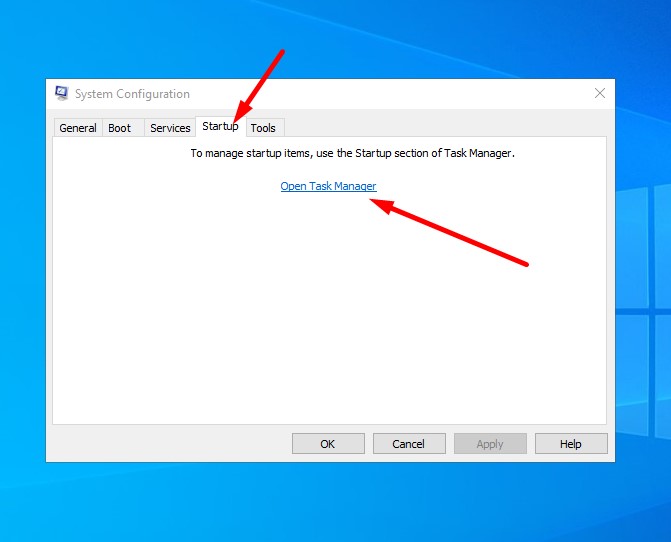
And a window will appear showing the applications running on your computer including the background applications.
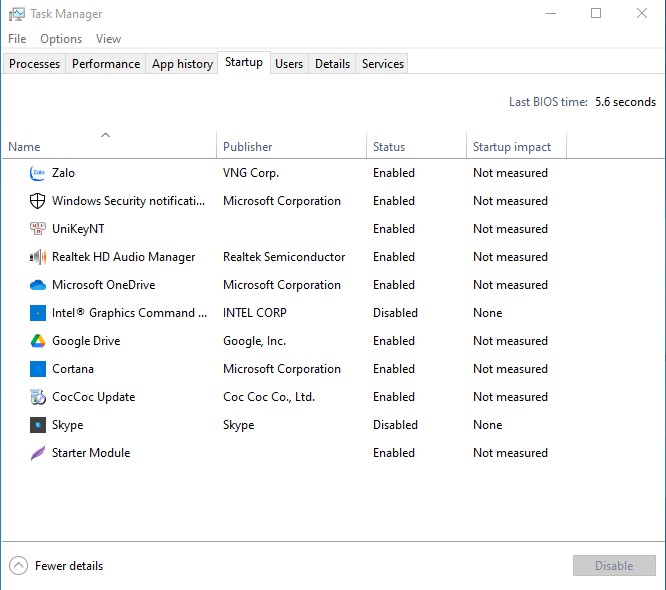
Method 2: More simply, you can press the key combination Ctrl + Shift + Esc to immediately display a list of applications running on the computer.
How to turn off background applications in Win 10
Turn off background apps in Win 10 using privacy settings
Step 1: Select Start (or press the windows key on the keyboard) >>>> Select settings
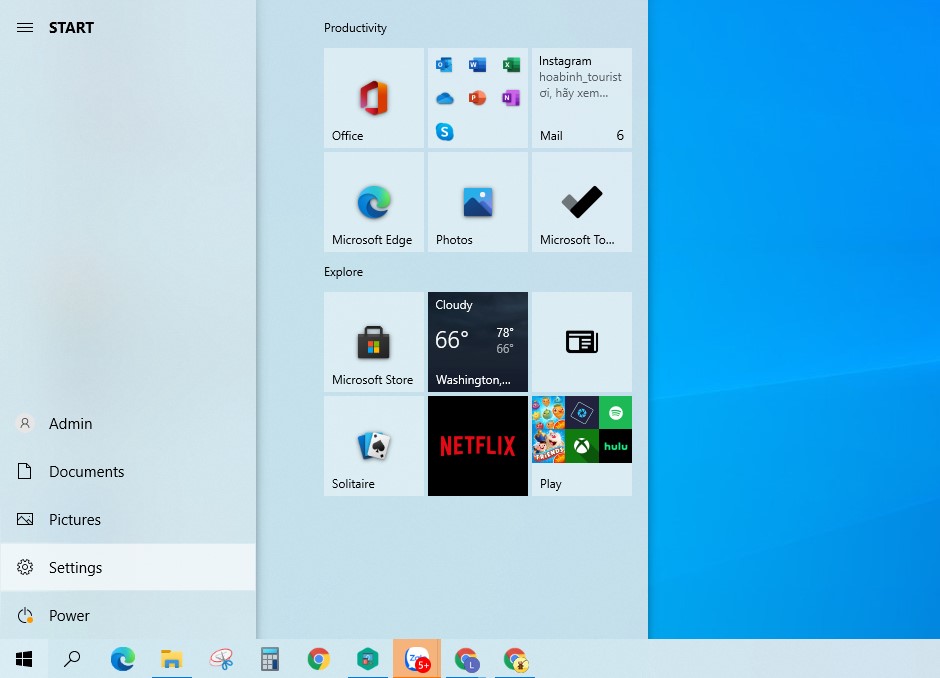
Step 2: Select Privacy

Step 3: The window appears, drag the left item down and select background app
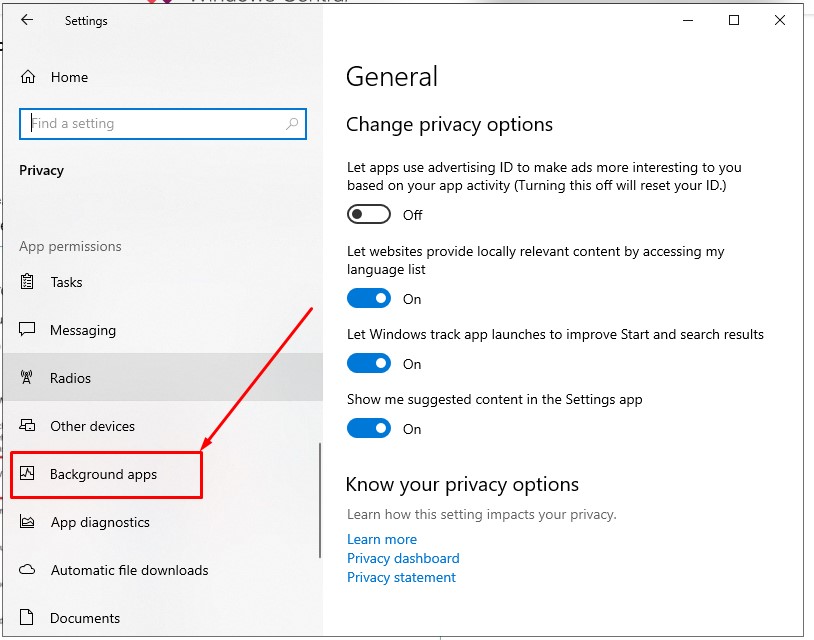
In the ' Choose which apps can run in the background ' section, turn off the background win 10 apps that you want to turn off.
Additionally, in the Background Apps section, you can also choose to turn off Let apps in the background to prevent any apps from running in the background.
After completing the steps, you can still use the apps normally, but when you close them, all processes will be terminated until you launch the app again.
How to turn off background applications in Windows 10 using System Settings
In addition, for laptops or tablets, you can turn off background applications when turning on battery saving mode.
- Open Settings.
- Click System.
- Click Battery.
- In the Battery saver section, turn off the Battery saver status until the next charge switch.
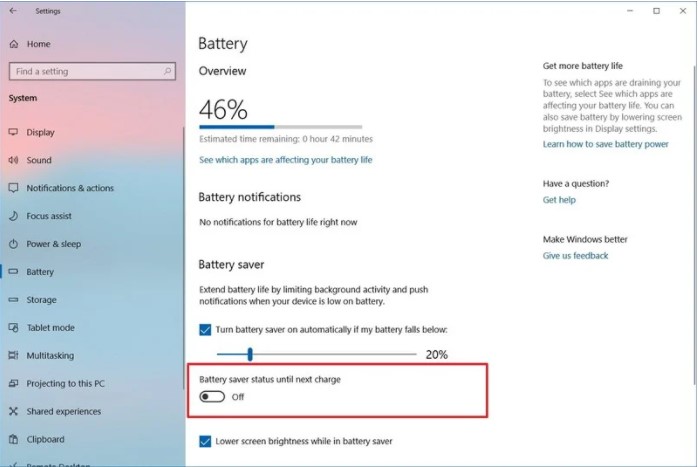
You can also turn on Battery Saver by clicking the battery icon in the bottom right corner of the taskbar and clicking the Battery Saver button.
After completing the steps, you have turned off the Win 10 background running application.
These instructions only apply to apps you purchase from the Microsoft store. If you're looking to stop default apps from using background resources, you'll need to close the program manually and make sure it stops running at startup.
Above is the simplest and fastest guide on how to turn off background applications in Windows 10. Hopefully, this guide can help your laptop reduce freezing and lagging when using it. To ensure your computer is safe in storing data and not attacked by viruses, we recommend that you choose a genuine Windows 10 operating system. Call hotline 19001903 for free advice and support.
Key Takeaways
Use the guidance above as a practical reference for how to turn off background applications on win 10. Check compatibility, follow the steps carefully, and verify important details with official documentation when software, security, accounts, health, or purchases are involved.
FAQ
How do I turn off background applications on Windows 10 in 3 notes?
Follow the steps in this guide in order, confirm each setting before continuing, and save, restart, or reconnect the device when the instructions require it.
What should I check before I begin?
Confirm the correct device, account access, software version, compatibility, and a current backup whenever the process could affect files, settings, or security.
What should I do if the process does not work?
Repeat the steps carefully, check for model or version differences, install available updates, and consult the manufacturer's official support documentation.
Related Articles
 7 Ways to Turn Off Background Applications in Windows 10 on PC7 minutes read
 How to Turn Off Applications That Run in the Background on9 minutes read
 How to Disable Applications Running in the Background on a Windows 104 minutes read
 How to Turn Off Applications That Run in the Background on4 minutes read
 Instructions to Turn Off Background Applications to Help4 minutes read
 How to Turn Off Applications Running in the Background on Windows 1010 minutes read
Reader Comments 0
Sign in with email or Google to join the discussion.