Table of Contents
This guide explains how to rotate Any 1 Page Size Paper in Word, with clear steps, practical tips, and important checks before you begin.

The example here needs to rotate the page containing the organization chart because the vertical paper size will not display all the content to be reported:
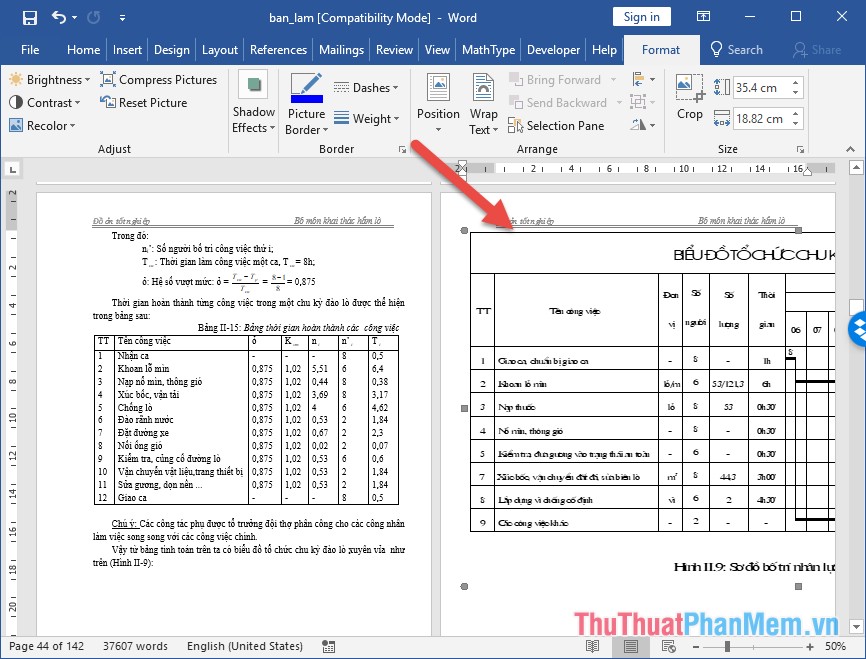
To be able to turn any page into a horizontal page, you need to separate section for pages that need to be rotated to select the horizontal size only applicable on the page you have broken.
Step 1: Put the cursor in the first position of the page to rotate the horizontal section to break -> select Layout -> Continous:

Step 2: Check that you have broken the page to turn into a separate section or not by going to the Insert tab -> Header -> Edit Header:

Step 3: When the breaks have been made into separate sections on the header, showing the order of the sections that have been broken. If the breaks in the page title do not show the section name:

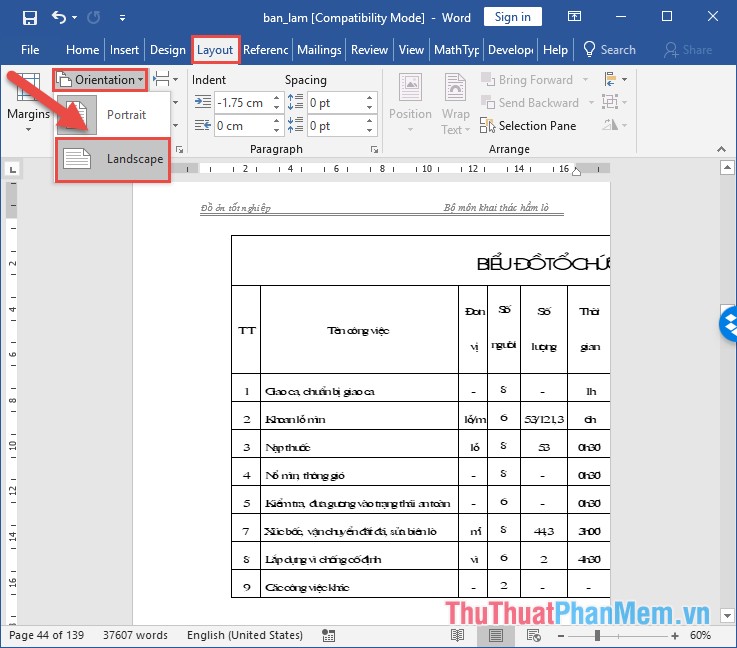
Step 4: After the page breaks, need to turn the landscape paper into a separate section, so you put the mouse pointer at the top of the page to rotate the width of the paper on Layout -> Orientation -> Lanscape to rotate the paper size of the child page. mouse cursor:
As a result, you turn a paper size of any page to a paper size horizontally in Word:
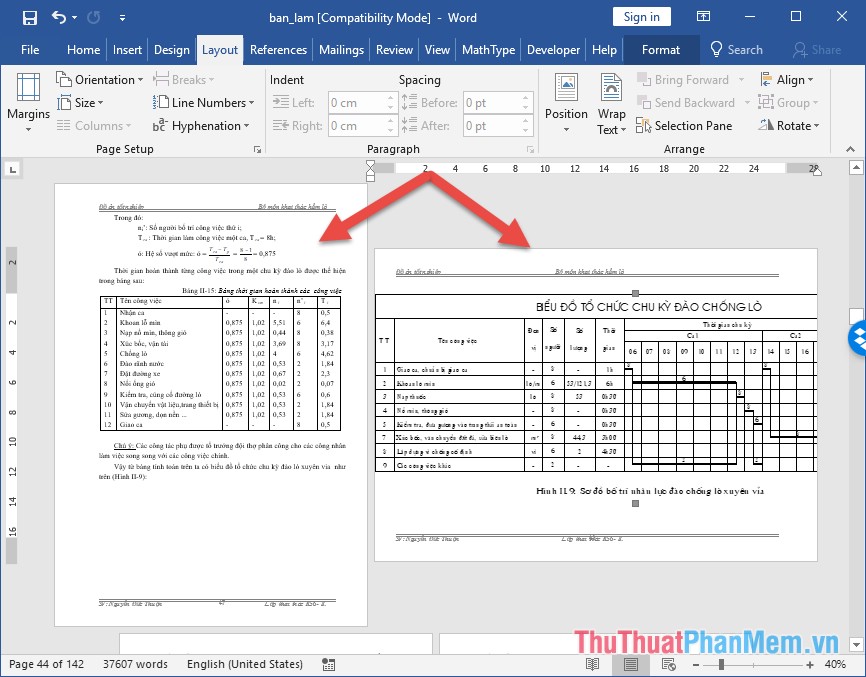
Similarly, when you want to rotate any page into portrait paper while other pages in landscape paper size you do the same thing, only when choosing the paper orientation you choose Portrait:

Above are the sharing on how to turn a 1-page paper size in Word hoping to help you. Good luck!
FAQ
What should I know about Rotate Any 1 Page Size Paper in Word?
Focus on the key features, requirements, limitations, and practical use cases explained in this guide.
How do I get the best results with Rotate Any 1 Page Size Paper in Word?
Follow the recommended steps, use current software or information, confirm compatibility, and review settings before major changes.
Are there any risks or limitations?
Potential limitations depend on compatibility, data quality, cost, privacy, support, and how the product or method is used.
Related Articles
 How to Horizontally Rotate Any Page of Paper in Word4 minutes read
 How to Rotate Paper Size in Excel: How to Rotate Excel Paper Size4 minutes read
 How to Rotate Any Page Horizontally in Word7 minutes read
 What Is the Size of A5 Paper? How to Select and Print A56 minutes read
 Word 2016 Complete Guide (Part 10): Page Layout: Word Text Format5 minutes read
 How to Print Out of A4 Size Paper in Word5 minutes read
Reader Comments 0
Sign in with email or Google to join the discussion.