Table of Contents
This updated guide examines How to Reinstall Windows 8 Without a Cd and organizes the essential facts, background, and practical takeaways in clear American English.
Method 1of 2:
Refreshing Windows 8 (Saves Personal Files)
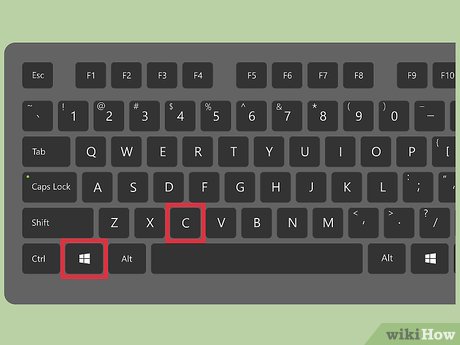 Press the Windows + C keys at the same time. This brings up the Charms bar.
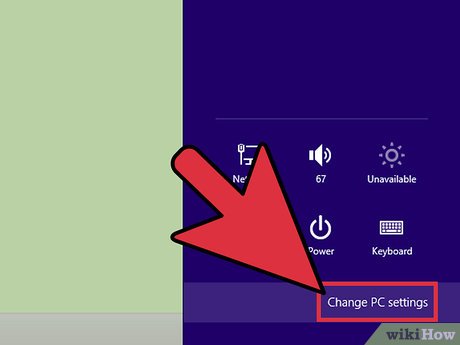 Select 'Settings,' then select 'Change PC Settings.'
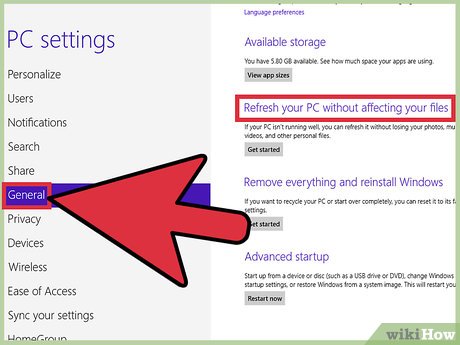 Select 'General,' then scroll down until you see 'Refresh your PC without affecting your Files.'
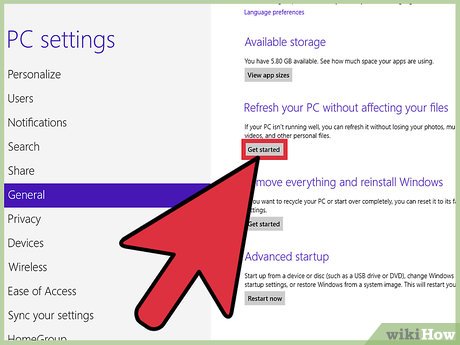 Click on 'Get Started,' then select 'Next.' Your computer will refresh itself, while saving your personal files and apps downloaded from Windows Store. Your installed desktop programs will be erased, but all other personal files will be saved.
 Wait approximately 15 to 20 minutes for Windows to finish refreshing your PC. When complete, Windows will display a list of applications that were removed during the refresh.[1]
Method 2of 2:
Resetting Windows 8 (Erases All Files)
 Back up and save all personal files and datato a third-party storage location. Resetting Windows 8 will wipe and erase all data from your PC, and restore the computer's original factory settings. Save your files to a cloud storage service, USB flash drive, or disk.
 Press the Windows + C keys at the same time. This brings up the Charms bar.
 Select 'Settings,' then select 'Change PC Settings.'
 Select 'General,' then scroll down until you see 'Remove everything and reinstall Windows.'
 Click on 'Get Started,' then select 'Next.'
 Select 'Clean the drive fully.' This option wipes your hard drive, and reinstalls Windows 8 like new.
 Click on 'Reset' to confirm that you want to reinstall Windows 8. Your PC will reset itself, reinstall Windows 8, and display the Welcome screen when complete.[2]
FAQ
What is How to Reinstall Windows 8 Without a Cd about?
It provides a structured overview of windows, explains the main context, and highlights practical takeaways for readers.
Why does this topic matter?
Understanding the main concepts helps readers evaluate the issue, avoid common mistakes, and make better-informed decisions.
How should readers use this information?
Use the guidance as a practical starting point, confirm details that may have changed, and follow current product, safety, or security recommendations.
Related Articles
 Download Ghost Win Xp, Win 7, 8, 10 32 and 64bit Link Google Drive3 minutes read
 Instructions for Reinstalling Windows 8.1 on the Surface Pro5 minutes read
 How to Reinstall Windows 7 Without Using a Disc: Complete Guide10 minutes read
 Reset Windows: Complete Guide5 minutes read
 Click: How to Reinstall Windows Xp Without the Cd7 minutes read
 4 Reasons Why You Want to Reinstall macOS8 minutes read
Reader Comments 0
Sign in with email or Google to join the discussion.