Table of Contents
This updated guide examines Color: How to Make a Gradient in MS Paint and organizes the essential facts, background, and practical takeaways in clear American English.
Method 1of 2:
Using "Resize and Skew"
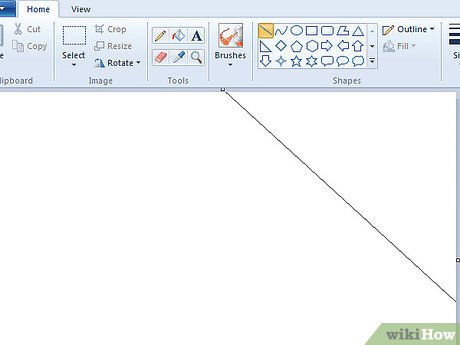 Using the line tool, draw a diagonal line across the page
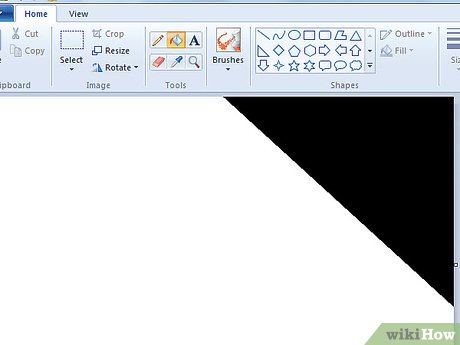 Fill one side in with the paint bucket. The color can be any that you want, but in this case, black is used.
- Click on "Resize" and change the "Horizontal" value to "1"

- When you have finished that, go to resize skew again, and this time switch horizontal to 500
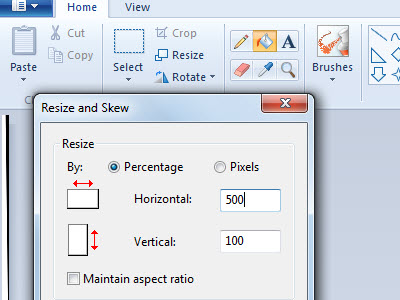
- Repeat steps 3&4 one more time and execute step 4 for a couple of times to have a better result

 Now you have your gradient!
Method 2of 2:
Editing Colors Manually
- You can also manually edit colors to create gradients. To do this, start with one color.
- With that color selected, go to "Edit Colors" and change the color slightly. Make sure it's different enough that you can see it, but not so different that it will look choppy.
- Add that new color next to the original color.
- Repeat the process multiple times. If you are making a blue-purple gradient, for example, start with blue and make it gradually more purple.
- Have patience! This method takes a really long time, but it also allows you to blend the gradient in any direction. It will be worth it.
FAQ
What is Color: How to Make a Gradient in MS Paint about?
It provides a structured overview of color, explains the main context, and highlights practical takeaways for readers.
Why does this topic matter?
Understanding the main concepts helps readers evaluate the issue, avoid common mistakes, and make better-informed decisions.
How should readers use this information?
Use the guidance as a practical starting point, confirm details that may have changed, and follow current product, safety, or security recommendations.
Related Articles
 Gradient - Color Linear Transformation in CSS9 minutes read
 Color: How to Make a Blend in Microsoft Paint9 minutes read
 Synthesize the Most Beautiful CSS Background Gradient Template6 minutes read
 How to Use the Gradient Tool in Photoshop: Step-by-Step4 minutes read
 Replace the Paint 3D Application with Paint Classic on Windows 103 minutes read
 Instructions for Creating Gradient Effects in Word4 minutes read
Reader Comments 0
Sign in with email or Google to join the discussion.