Table of Contents
This practical guide explains how to format data based on other cell conditions in excel with clear steps and useful context. It also covers common requirements, potential problems, and the details that can help you get better results.
Guide to Conditional Formatting Based on Other Columns Excel
Step 1:
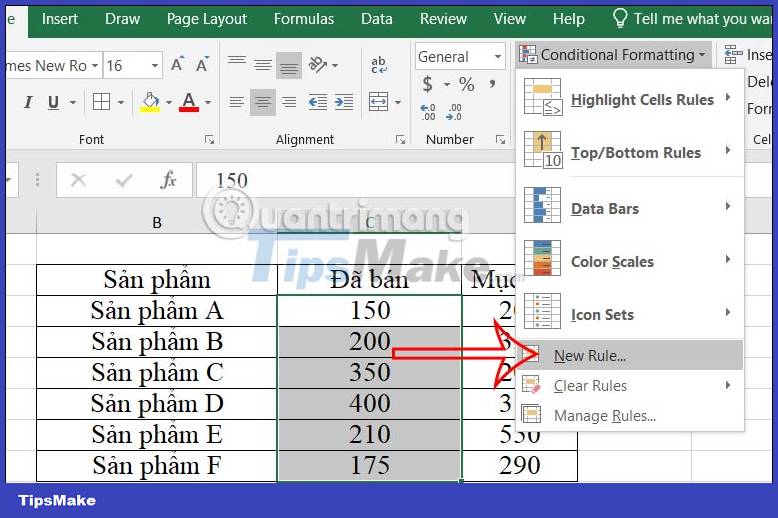
First we create a data table on Excel as usual. Now you highlight the data column you want to create conditional formatting based on another column. Then click on Conditional Formatting and select New Rule .
Step 2:
Now display the interface to set the format. At the list of format types, scroll down and click Use a formula to determine which cells to format .

Next at Format values where this formula is true , enter the format condition as =C33 >= $D33 . Where C33 is the starting cell of the column to be formatted, D33 is the column of conditional data provided that column C33 is greater than or equal to the data in column D33.

Step 3:
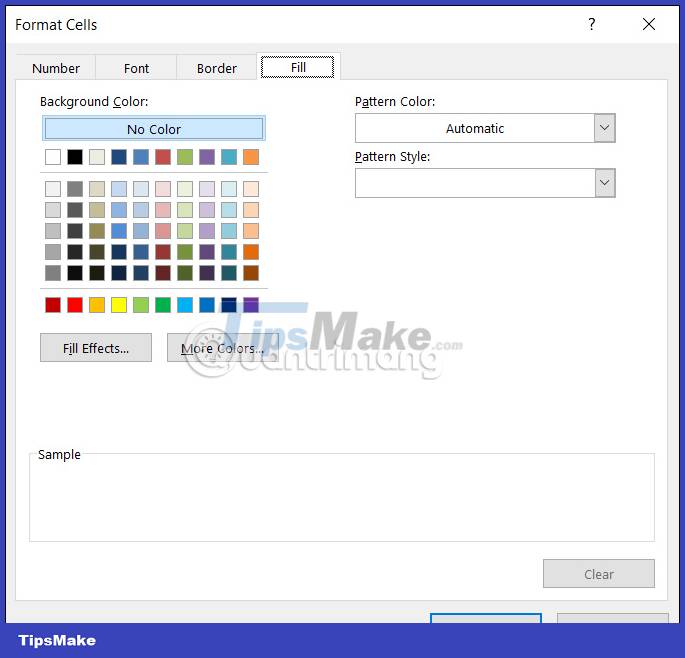
You click on the Format button and then click on the Fill tab to choose the color you want to set for the data formatted according to the condition. After setting up, click the OK button to save the format for the data according to the conditions you choose.
Step 4:
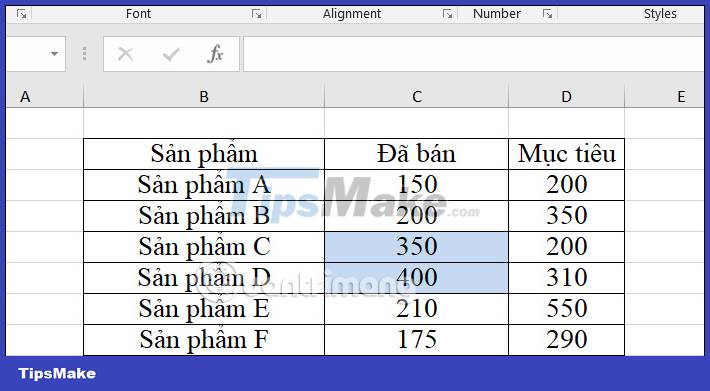
As a result, you will see the data cells are formatted based on the conditions you set. Cells with higher values are marked for easy identification.
How to Format Excel Data Based on Another Cell
Step 1:
First you also create the data table and the value cell you want to use as a condition. Next, highlight the column you want to format the data, then click on Conditional Formatting and select New Rule .
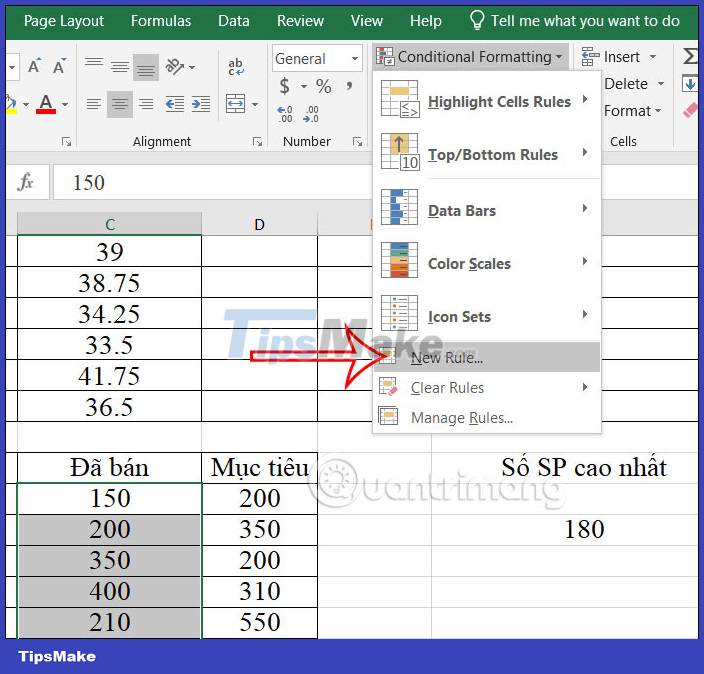
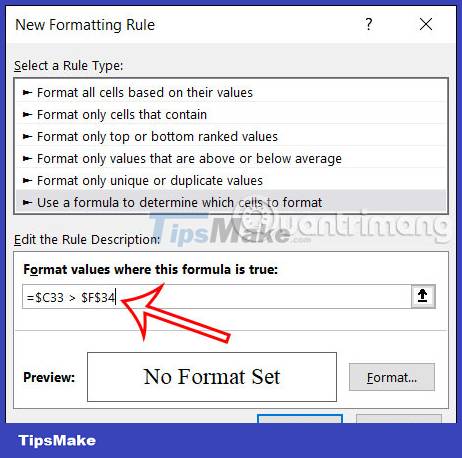
Switch to the new interface, click Use a formula to determine which cells to format .
Next, enter the condition =$C33 > $F$34 with cell F34 as the conditional data for you to format for column C33.
Step 2:
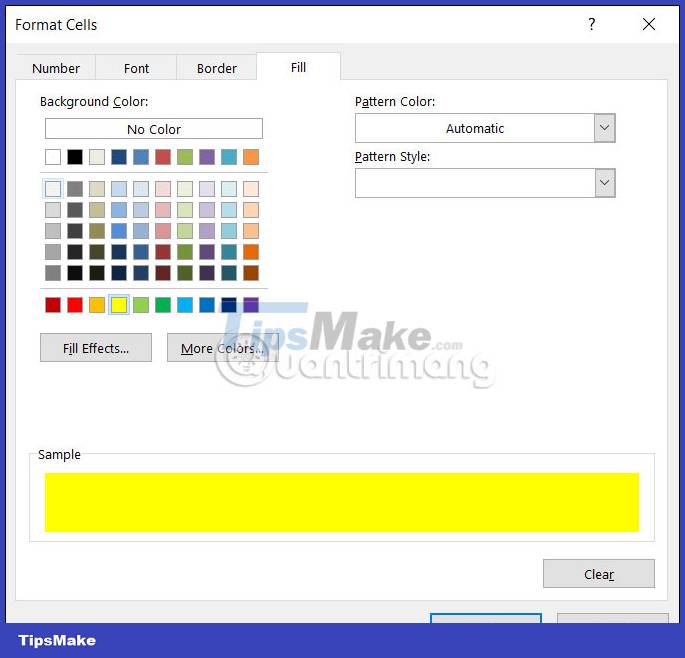
Click the Format button and then click the Fill tab to choose a color for the data. Finally, click OK to proceed with formatting the data according to the value condition in the selected cell.
As a result, we will see data cells that are greater than or equal to the condition value cell you have selected.

Conclusion
Understanding Conditional Formatting Based on Cells Other Than Excel makes it easier to compare options, avoid common mistakes, and apply the information in this guide more effectively. Review the relevant requirements before making changes or choosing a solution.
FAQ
How do you format data based on other cell conditions in excel?
Follow the steps in this guide in order, confirm the required settings or tools, and verify the result before making additional changes.
Is it safe to format data based on other cell conditions in excel?
It is generally safe when you follow the recommended instructions, use trusted tools, and avoid changing settings you do not understand.
What should you do if the process does not work?
Recheck the requirements, restart the device or application when appropriate, and review each step for missed settings or compatibility issues.
Related Articles
 How to Automatically Create Valuable Cell Borders in Excel3 minutes read
 How to Use COUNTIFS in Excel13 minutes read
 How to Use Focus Cell to Highlight Excel Data: Step-by-Step Guide4 minutes read
 Format Excel 2007 Spreadsheet: Microsoft Excel6 minutes read
 How to Name a Cell or Excel Data Area: Name the Column Excel5 minutes read
 How to Name an Excel Cell or Data Area - Define Name Feature on17 minutes read
Reader Comments 0
Sign in with email or Google to join the discussion.