Table of Contents
This guide explains how to resolve USB Device Not Recognized Error on Windows, starting with the most likely causes and moving through practical troubleshooting steps.
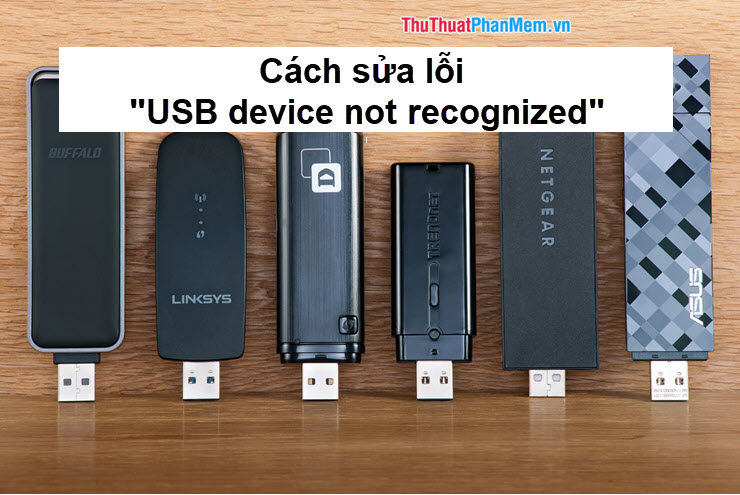
Method 1. Update Driver for the device
In Vietnam, we often use pirated versions of Windows that are not able to update themselves or turn off Update to reduce errors. This is also the cause of Driver on each computer.
Step 1: You proceed to enter Device Manager in the search bar and launch them.

Step 2: Click on the Universal Senal Bus controllers tab . Here will appear Generic USB Hub . The number of Generic USB Hubs is the number of USB Hubs in use.

Step 3: Right-click Generic USB Hub and select Update . Now there will be a new window, select Search automatically for updated driver software to automatically update the system.

Method 2. Use Iobit Software Update to update drivers and necessary items
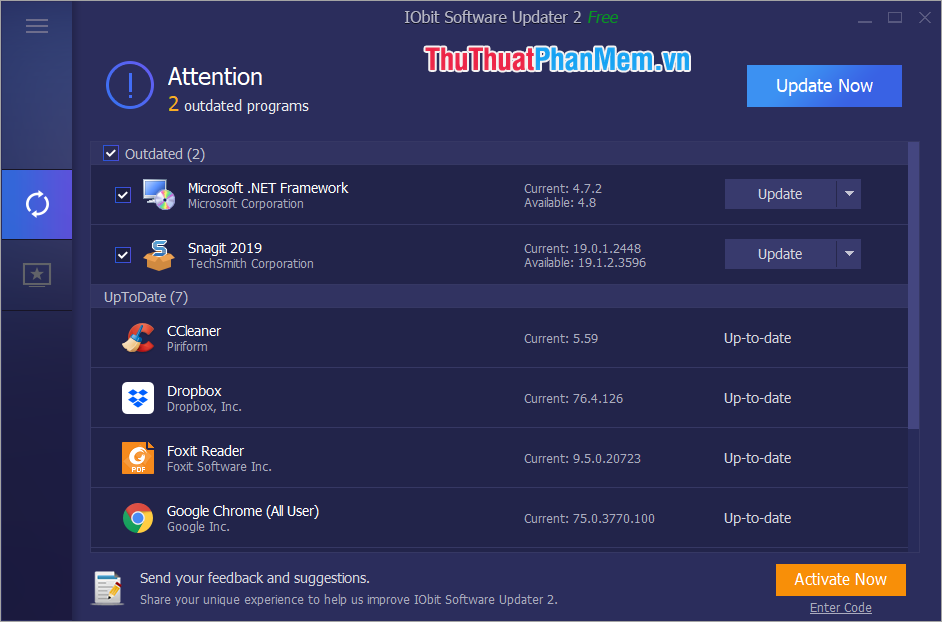
Iobit Software Update is a set of tools to help update the driver on the computer and quickly fix problems related to your USB.
Homepage link: https://www. iobit. com/en/index. php
You install the software to use. After installing the software, select Update Now to update.
Method 3. Restart the computer
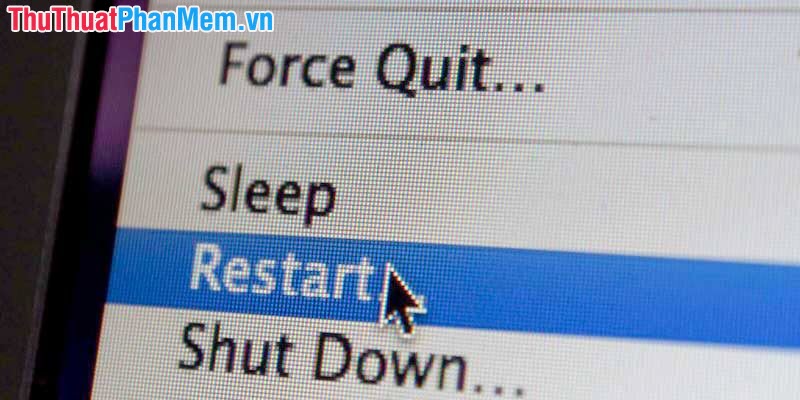
Rebooting your computer is the most effective way to handle all errors on your computer. On software, computer hardware, unintended errors during use are inevitable. But restarting the computer helps hardware and software devices "fit" together. So, please try checking by restarting the computer.
Method 4. Discharge the computer
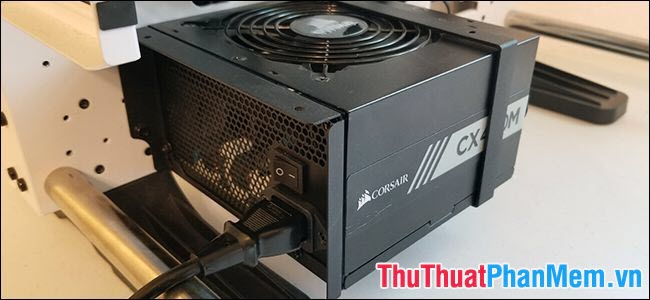
If you don't know a lot about computers, this is a great way to use peripherals. Discharging power helps keep the power out of the computer so that devices do not overcharge, causing electrical noise at the connection ports on the computer. How to manipulate power discharge on the computer is very simple. You proceed to do the following:
Turn off the computer -> Unplug the computer power cord (or turn off the power switch) -> Press the power button repeatedly to discharge power (About 10 times) -> After about 10 minutes, plug the power again and restart.
Method 5. Check the USB device
Sometimes it could be a faulty USB device, not your computer. You proceed to use your USB on other computers to see if it works normally or not. If the USB device still encounters an error, it is your damaged USB device and you need to change another USB device.
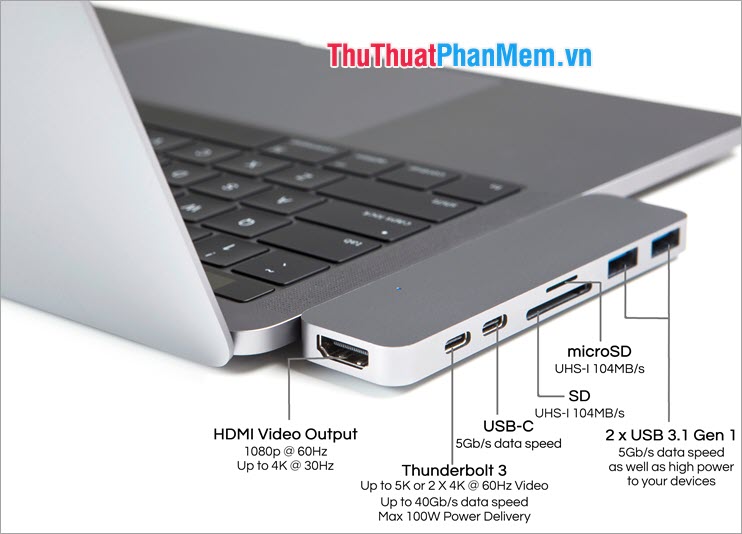
Method 6. Use an external connection extension device
If you determine the error is caused by the available USB ports on the computer, we can handle it by purchasing PCI-e USB HUBs to use the USB on the computer. The price of PCI-e USB is also relatively cheap and suitable for every user. If you use computers that support USB-C, then you buy HUB USB-C to USB to use the high speed.
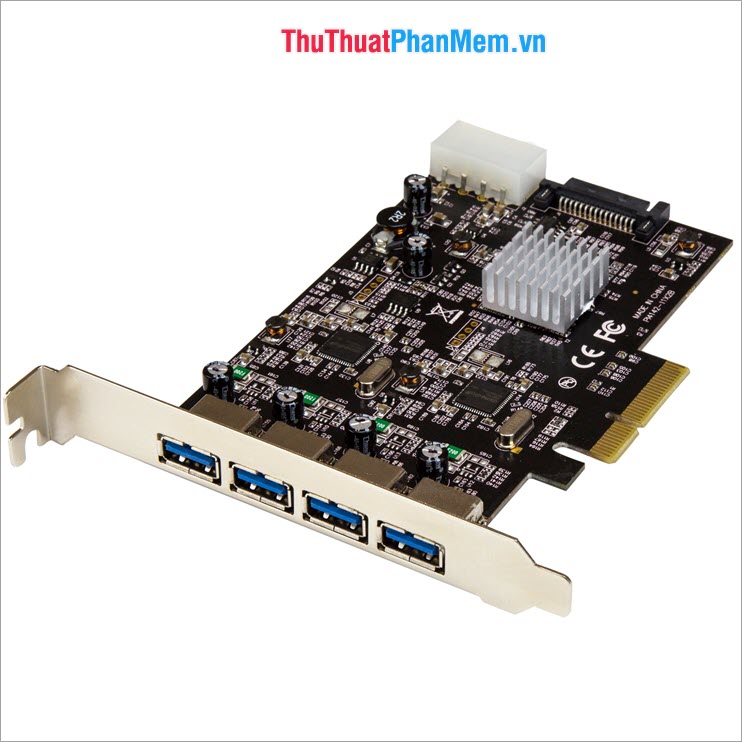
Thus, in this article, Software Tips have shown you how to fix "USB device not recognized" error on Windows fastest and most effectively. Good luck!
FAQ
What usually causes USB Device Not Recognized Error on Windows?
The cause may involve incorrect settings, outdated software, damaged files, permission problems, device compatibility, or a temporary system issue.
What should I try first to resolve USB Device Not Recognized Error on Windows?
Restart the affected app or device, install pending updates, verify settings and connections, and follow the troubleshooting steps in order.
How can I prevent the issue from returning?
Keep software updated, maintain backups, avoid interrupted installations, and review system or device settings after major changes.
Related Articles
 Summary of Some Ways to Fix USB Device Not Recognized on Windows9 minutes read
 Details on How to Effectively Fix USB Device Not Recognized Windows 11 Error8 minutes read
 10 Common Ways to Fix USB Device Not Recognized Errors: Best Options Compared12 minutes read
 6 Ways to Fix the Error of Not Recognizing SSD Drive in8 minutes read
 Instructions for Fixing Device Usb Error Not Recognized Code 438 minutes read
 How to Fix Winget Not Recognized Error on Windows9 minutes read
Reader Comments 0
Sign in with email or Google to join the discussion.