Table of Contents
This updated guide examines How to Export an Itunes Playlist and organizes the essential facts, background, and practical takeaways in clear American English.
Part 1of 2:
Exporting Playlists
 Select the playlist in iTunes that you want to export. When you export a playlist, you are exporting the list of songs and their order. You can export playlists to transfer them from your iPhone to your computer, or from iTunes to another media player.
- You can export any playlist in iTunes, including playlists on your iPhone, iPod, or iPad. Select your device in iTunes and then click the playlist name in the "On My Device" section of the sidebar.
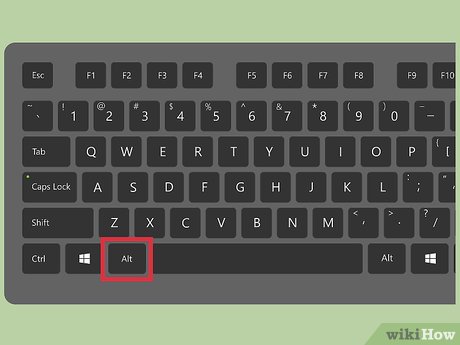 Press. Alt if you're using Windows. This will display the menu bar. You can also pressCtrl+Bto turn it on permanently.
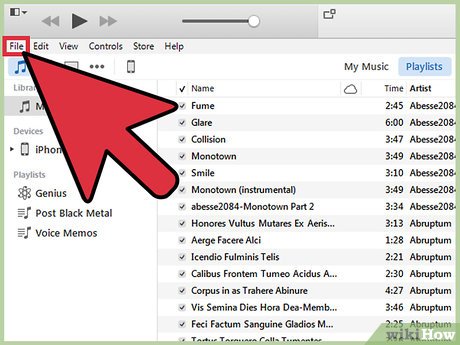 Click the "File" (Windows) or "iTunes" (Mac) menu. This will display a small menu.
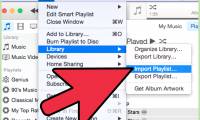
 Select "Library" →"Export Playlist." This will open the file browser so that you can choose where you want to save the playlist file.
 Choose a new location to save the file. By default, iTunes for Windows will try to save the playlist to the "system32" folder, which is not a convenient place to find it later. Navigate to an easy-to-access location, such as your desktop or your Documents folder.
 Choose the format you want to export the playlist as. Click the "Save as type" menu to see the format options. You have several options to choose from, and the format you pick will depend on how you intend to use the playlist:
- Select "XML" if you're planning on importing the playlist back into iTunes, such as when you're moving a playlist from your iPhone to your computer or sharing it with a friend.
- Select "M3U" if you are importing the playlist into a program like Winamp or MediaMonkey.
- Select "Text files" if you want to save all of the data for each song into a tab-separated plain text file. This can be useful for importing the playlist into a database or spreadsheet program such as Excel.[1]XResearch source
 Give the playlist a name and save it. By default, the playlist file will have the same name that it did in iTunes. You can change it to whatever you'd like before saving it to your computer.
Part 2of 2:
Importing Playlists
 Click the "File" (Windows) or "iTunes" (Mac) menu. If you don't see the menu bar in Windows, pressAlt.
 Select "Library" →"Import Playlist." The file browser will open.
 Find the playlist file that you want to import. iTunes can import XML and M3U playlists. Select the file that you want to import into iTunes.
 Add any songs that are in the playlist but aren't in your library. You'll receive an error when you import a playlist that contains songs that aren't in your library. You'll need to transfer these songs to your library if you want the playlist to be complete, then you'll need to re-import the playlist.[2]XResearch source
FAQ
What is How to Export an Itunes Playlist about?
It provides a structured overview of playlist, explains the main context, and highlights practical takeaways for readers.
Why does this topic matter?
Understanding the main concepts helps readers evaluate the issue, avoid common mistakes, and make better-informed decisions.
How should readers use this information?
Use the guidance as a practical starting point, confirm details that may have changed, and follow current product, safety, or security recommendations.
Related Articles
 How to Import iTunes Playlists: Complete Guide5 minutes read
 How to Manage an Itunes Playlist10 minutes read
 Combine iTunes Playlist with SugarSync in Mac OS X7 minutes read
 Playlist: How to Burn a Cd with Itunes5 minutes read
 How to Delete an Itunes Playlist6 minutes read
 How to Make a Playlist in Itunes6 minutes read
Reader Comments 0
Sign in with email or Google to join the discussion.