Table of Contents
1. Delete Account, User on Windows 10 with Settings
This guide explains how to delete Account, User in Win 10, with clear steps, practical tips, and important checks before you begin.
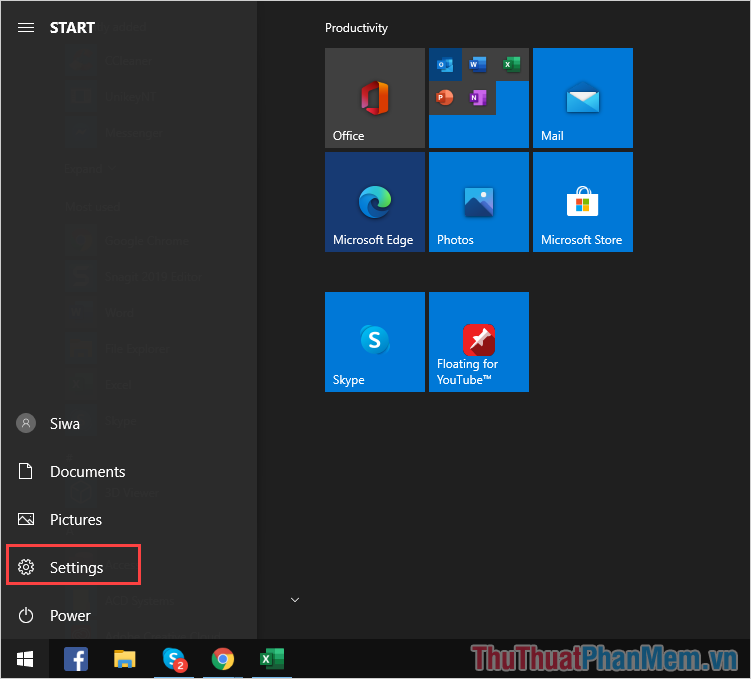
Step 1: First, open the Start Menu and select Settings (or press Windows + I ).
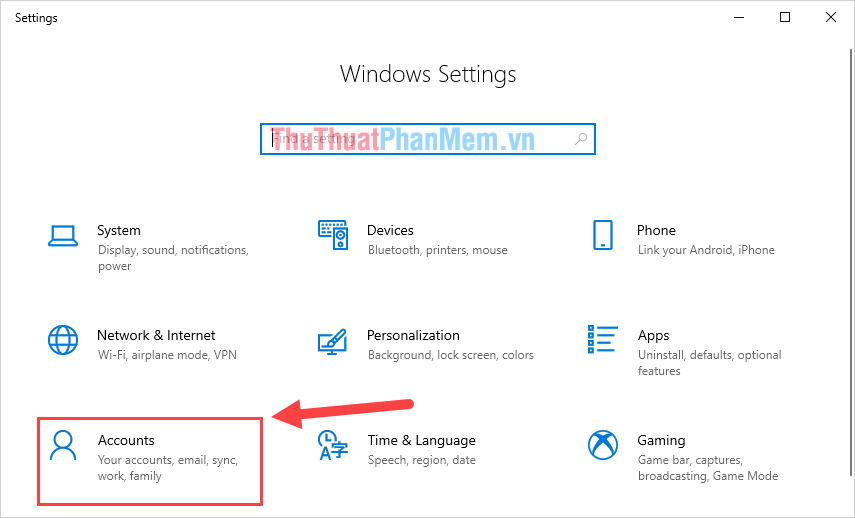
Step 2: Then, you select the Accounts section to view accounts on Windows 10.
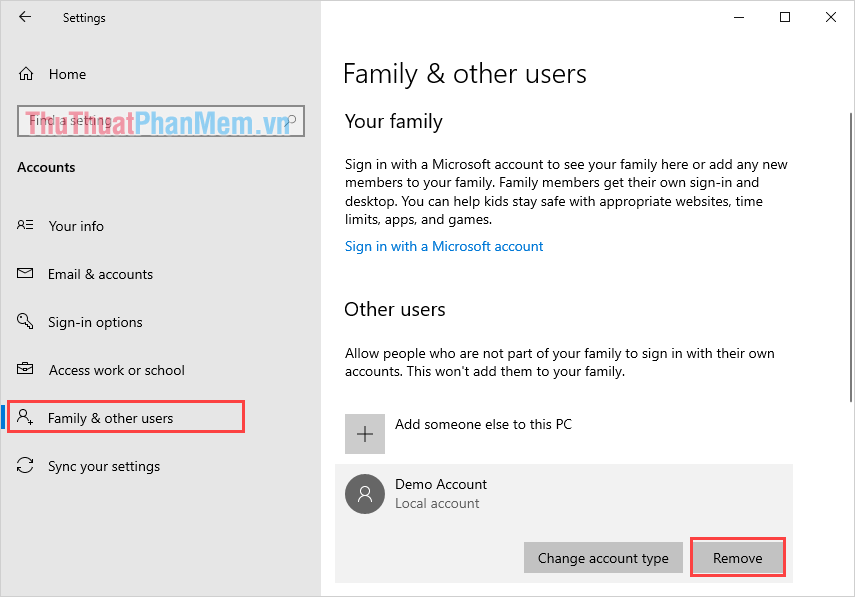
Step 3: At the interface of Account , select Family & Other User and Click the Account name, User to select Remove .
Step 4: Now there will be a notice appears with the text "Delete User account, Account and all data of the account". You select Delete Account and Data to proceed with deletion.

2. Delete Account, User on Windows 10 with Control Panel
Control Panel has control over most of the data on Windows, so you can use them to delete Account, User on Windows 10 quickly.
Step 1: First, open the Start Menu and enter Control Panel to open.

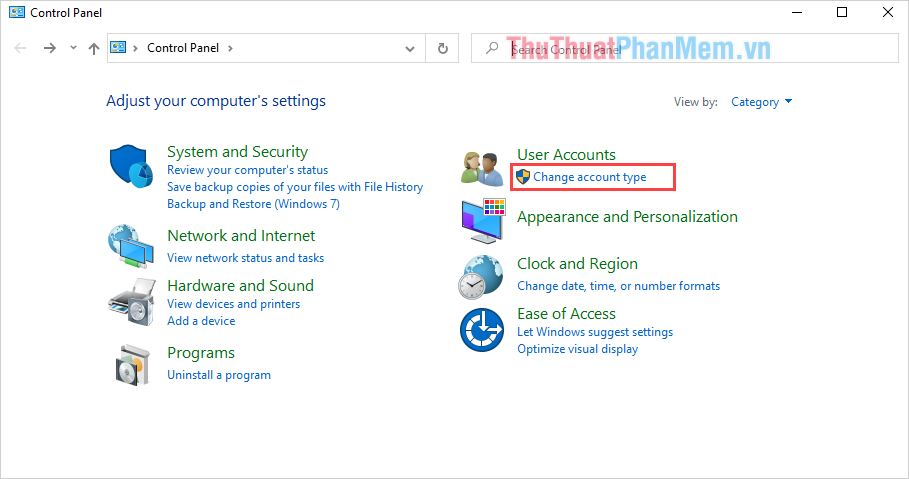
Step 2: Then, you select the Change account type section under the User Account section.
Step 3: Select the User account , Account that you want to delete.
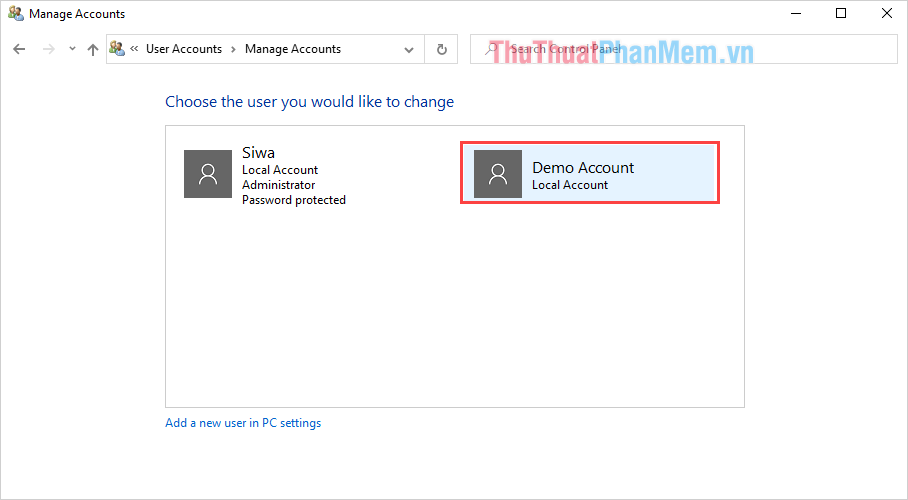
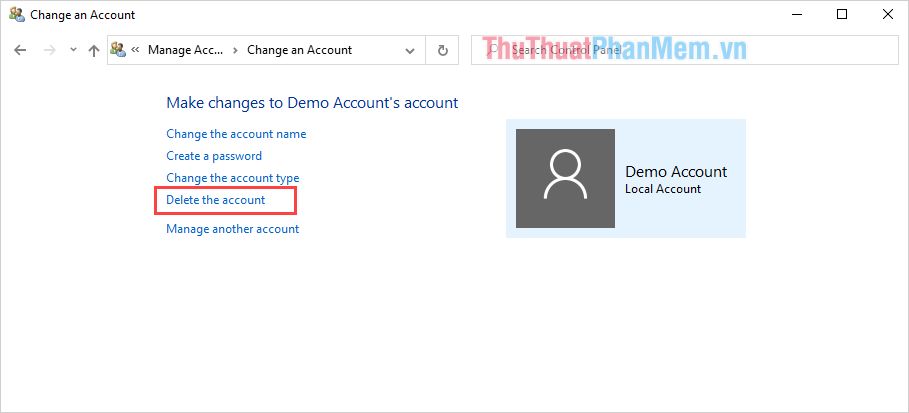
Step 4: Here, you will have a lot of account settings, but in this article we delete the account, so select Delete the account .
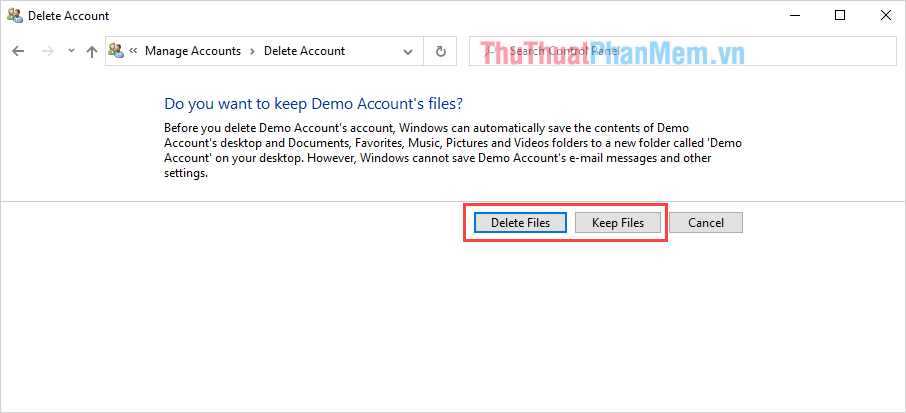
Step 5: At this time, you will receive a notification with the content that all data will be deleted, you want to store the data or not?
- Delete Files: Delete all data of the account
- Keep Files: Retain data of the account
3. Delete Account, User on Windows 10 with Local User & Group
Local User & Group is the main Windows toolkit for managing accounts on Windows 10.
Step 1: First, open MenuStart and enter Run to open (or press Windows + R combination ).
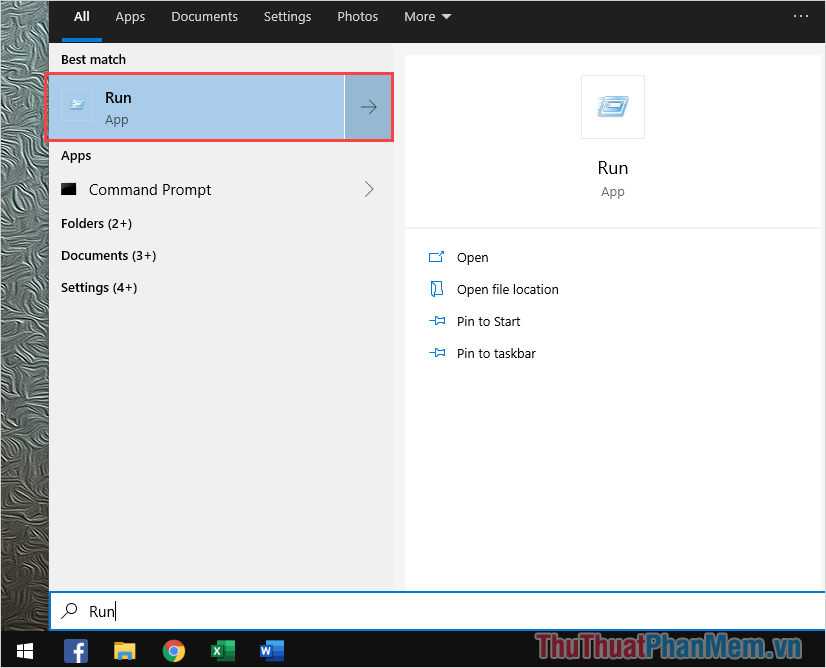
Step 2: Then, you enter the following command and press Enter .
lusrmgr. msc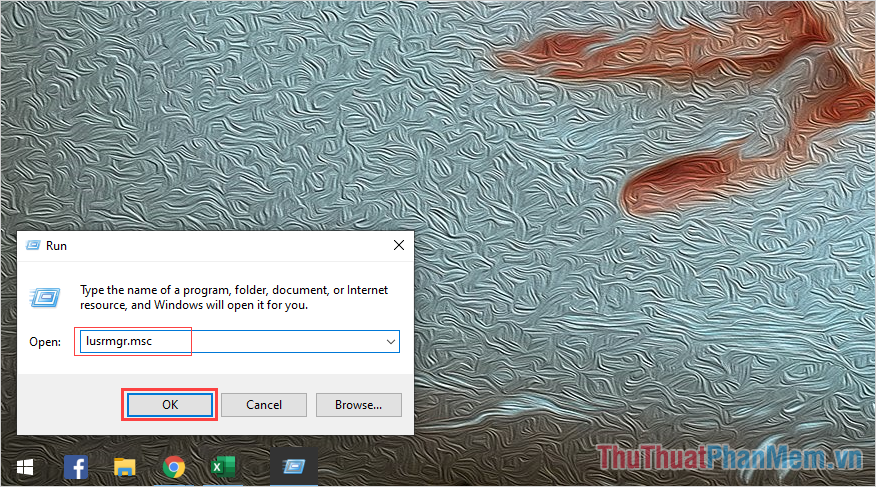
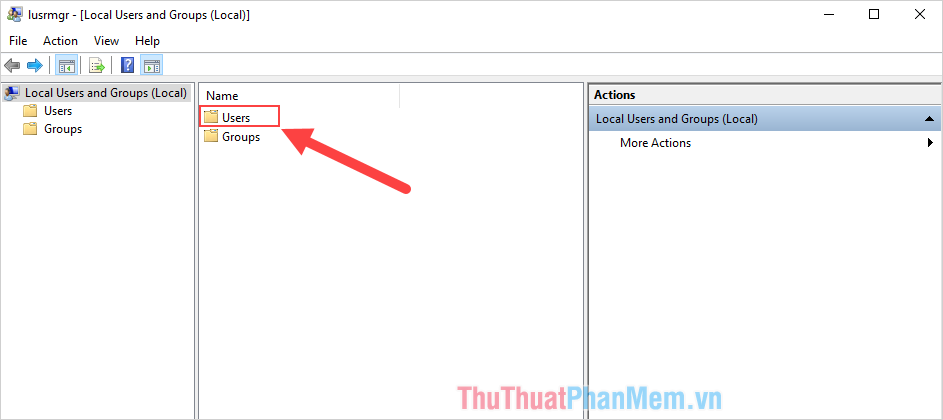
Step 3: Next, select Users to view the list of Users on your Windows computer.
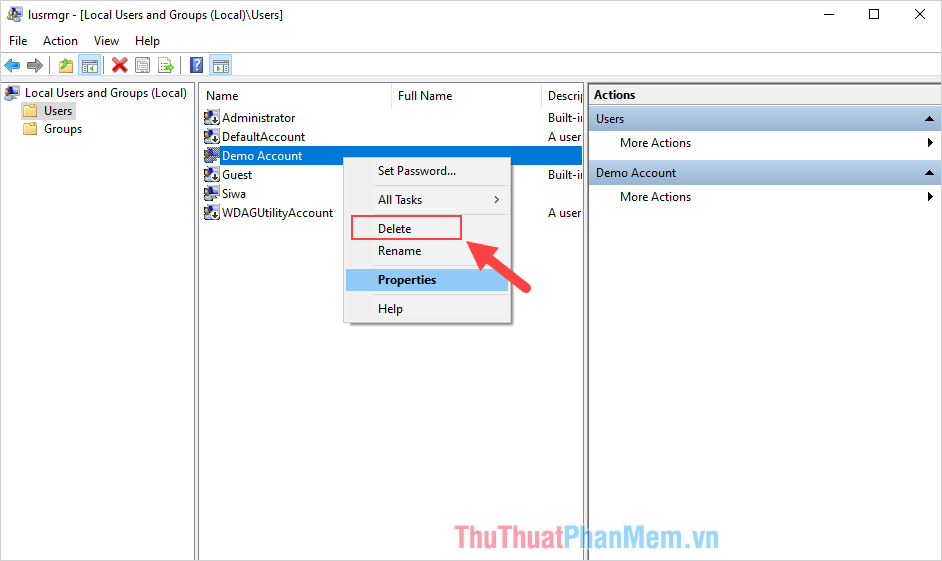
Step 4: Finally, you right-click Account, Users you want to delete and select Delete is done.
4. Delete Account, User on Windows 10 with Users Account
Users Accounts are also involved in managing accounts on Windows 10 so you can delete them quickly.
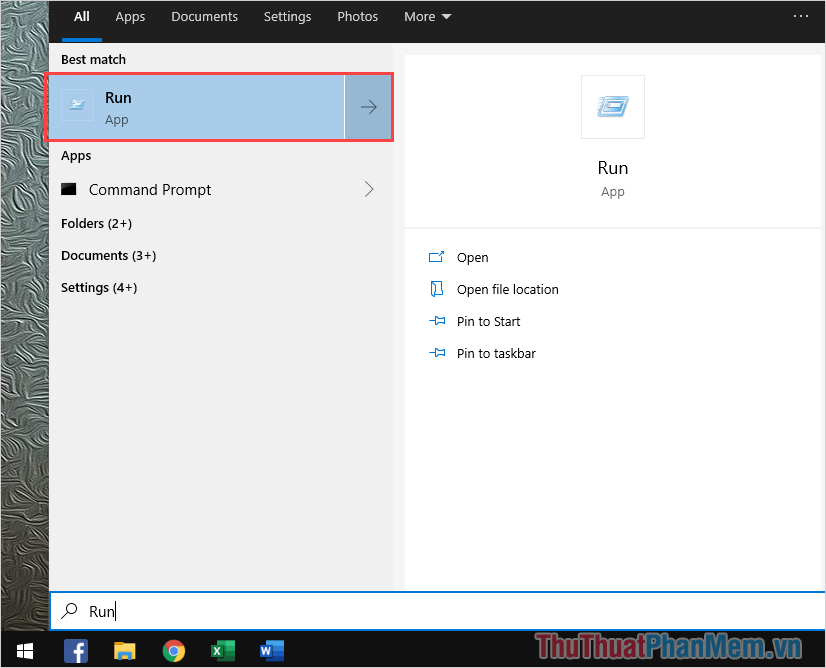
Step 1: You proceed to open MenuStart and enter Run to open (or press Windows + R combination ).
Step 2: Then, you enter the following command and press Enter to open.
Netplwiz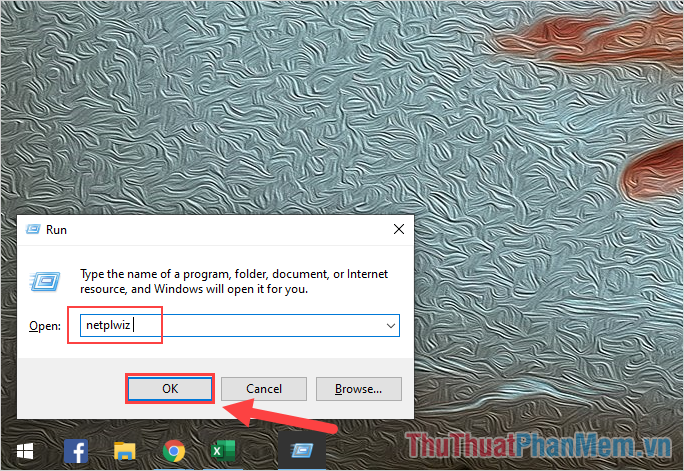
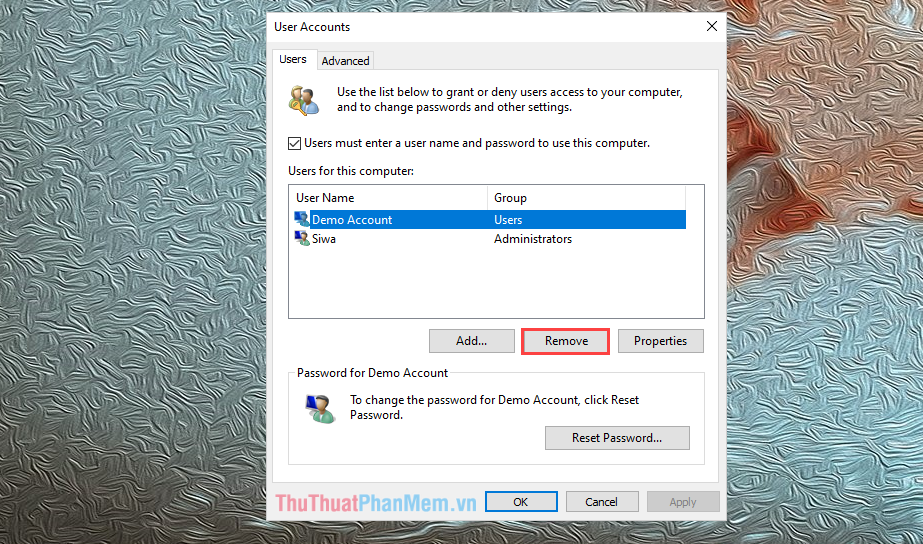
Step 3: Finally, select the user you want to delete and click Remove is done.
FAQ
What should I know about Delete Account, User in Win 10?
Focus on the key features, requirements, limitations, and practical use cases explained in this guide.
How do I get the best results with Delete Account, User in Win 10?
Follow the recommended steps, use current software or information, confirm compatibility, and review settings before major changes.
Are there any risks or limitations?
Potential limitations depend on compatibility, data quality, cost, privacy, support, and how the product or method is used.
Related Articles
 Guide 5 Ways to Delete User Accounts on Windows 106 minutes read
 Youtube Will Remove Accounts That Are Not 'Commercially Viable'3 minutes read
 How to Permanently Delete a Facebook Account13 minutes read
 How to Delete User Accounts on Mac3 minutes read
 How to Delete User Account on PS54 minutes read
 How to Permanently Delete Tik Tok Account on the Phone4 minutes read
Reader Comments 0
Sign in with email or Google to join the discussion.