Table of Contents
How to Decentralize Users in MS SQL Server is easier to understand when the core ideas are paired with practical examples. The sections below explain the topic clearly, highlight useful steps, and point out details that can prevent common errors.
To decentralize, use 1 of 2 ways.
Method 1: Use T-SQL
Use <database name>Grant <permission name> on <object name> to <usernameprinciple>
For instance,:
To authorize the user named TestUser on the object TestTable on the database named TestDB, run the following query.
USE TestDBGOGrant select on TestTable to TestUser
Method 2: Use SQL Server Management Studio SSMS
Step 1 : Connect to the database, expand the directory as shown in the image below.
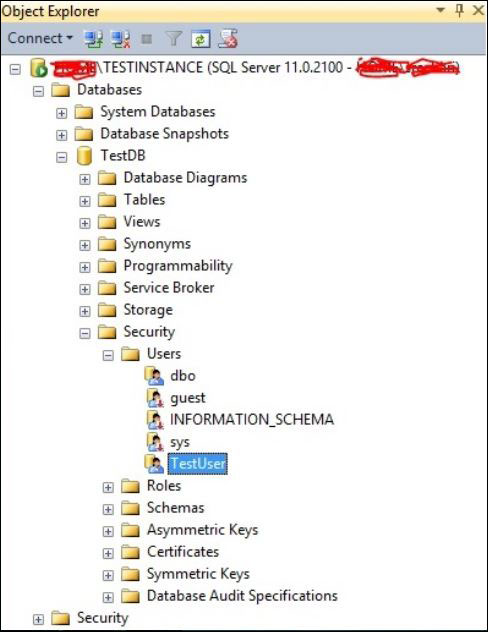
Open the Security> Users folder and find the username you want to decentralize
Step 2 : Right-click TestUser and select Properties. The screen below will appear.

TestUser user management screen
Step 3 : Use Search to search and then select the object you want to decentralize, here is the Table TestTable.
Step 4 : Click on the TestTable table , then select the Grant checkbox for the operations in the list below as shown in the image below. In this example, the right to select a table (Select) is given.

Tick select the authority box
Step 5 : Click OK to complete the authorization.
FAQ
What should you know about method 1: Use T-SQL Use Grant on to For instance,: To authorize the user named TestUser on the object TestTable on the database named TestDB, run the following query. USE TestDB GO Grant select on TestTable to TestUser Method 2: Use SQL Server Management Studio SSMS?
Step 1: Connect to the database, expand the directory as shown in the image below.
What is How to Decentralize Users in MS SQL Server?
To decentralize, use 1 of 2 ways. Method 1: Use T-SQL Use Grant on to For instance,: To authorize the user named TestUser on the object TestTable on the database named TestDB, run the following query.
Why is How to Decentralize Users in MS SQL Server important?
A clear understanding of How to Decentralize Users in MS SQL Server helps you make informed decisions, avoid common mistakes, and use the relevant tools or techniques more effectively.
Related Articles
 How to Assign Admin Rights to Users in Ubuntu5 minutes read
 MS SQL Server: Grant // Revoke Permissions in SQL Server4 minutes read
 The Difference Between Web Server and App Server3 minutes read
 How to Create Users in MS SQL Server3 minutes read
 Overview of DNS Server: Network Basics: Part 3 -- DNS Server18 minutes read
 Instructions for Setting up Individual FTP Server with Filezilla9 minutes read
Reader Comments 0
Sign in with email or Google to join the discussion.