Table of Contents
This guide explains how to create Photo Album in PowerPoint, with clear steps, practical tips, and important checks before you begin.
You don't need to use any specialized software, with PowerPoint 2013 you can easily create your own Album .
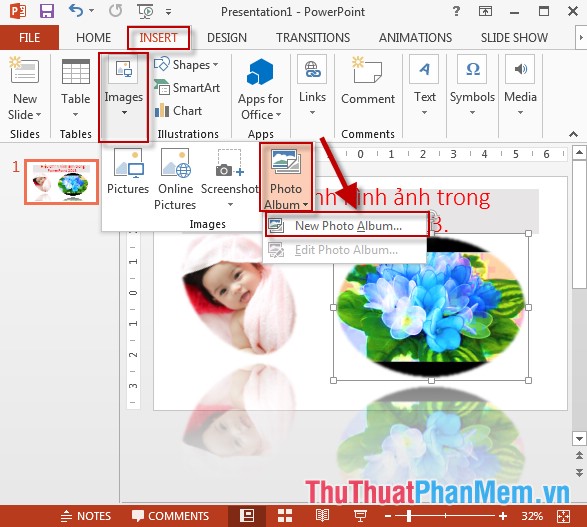
Step 1: Go to the Insert tab -> Images -> Photo Album -> New Photo Album.
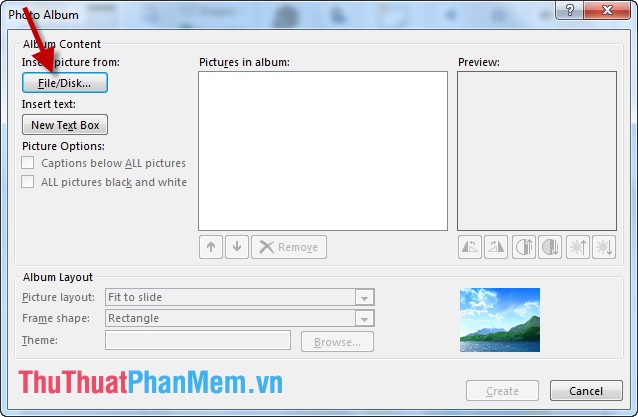
Step 2: A dialog box appears, click File / Disk to select the path to the image to create Album:
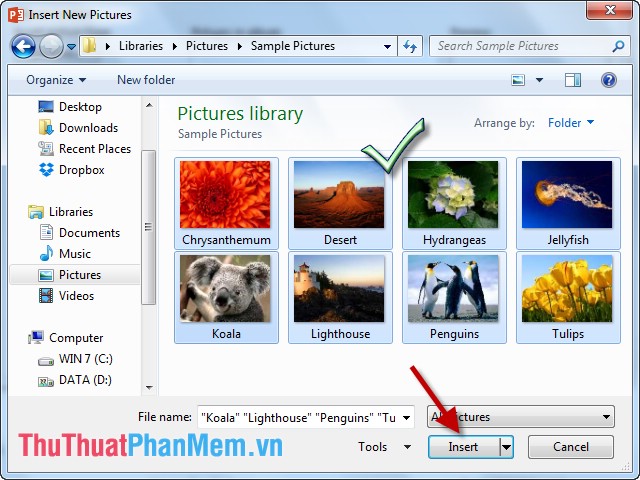
Step 3: The Insert New Pictures dialog box appears -> select the image you want to create Album -> click Insert:
Step 4: The selected image is assigned in the dialog box -> want to change the position of the image -> tick the image to be changed -> use the down and up arrows to move the image as desired, If you want to delete the image from the Album, click Remove:
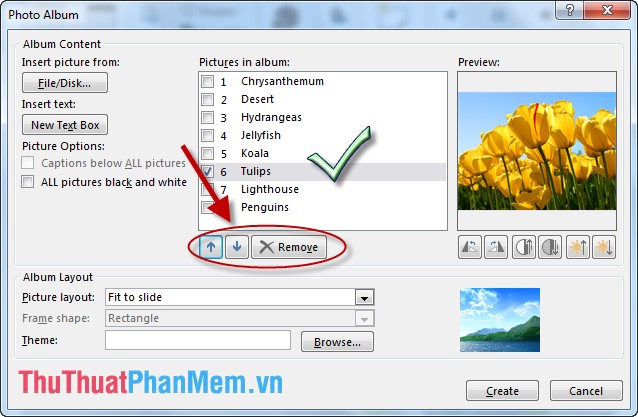
Step 5: Check all images selected Fit to Slide to all images size to fit Slide:

Step 6: Change the brightness of the image by clicking the icon on the right:

Step 7: Change the direction and angle of the image by clicking the icon on the right:

Step 8: After you have finished editing -> click Create to create Album:
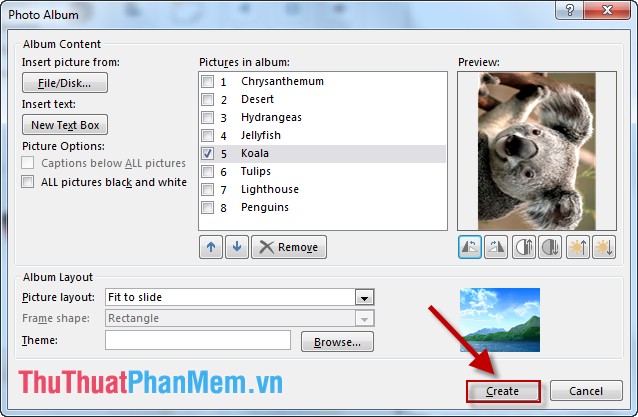
Step 9: The first slide shows the name of the Album -> enter the content for the Album name , the remaining slides contain photos on the album and each photo / 1 slide:
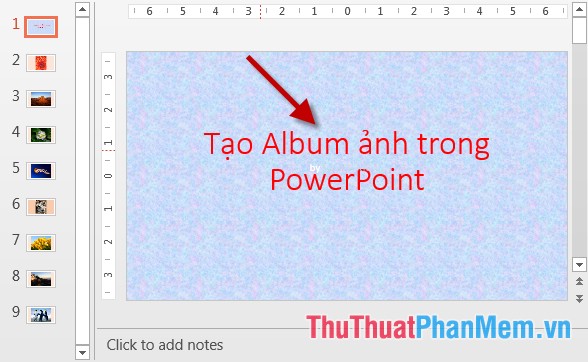
- In addition, you can choose to add effects to photos in Album by clicking Animations -> Animation -> choosing effects:
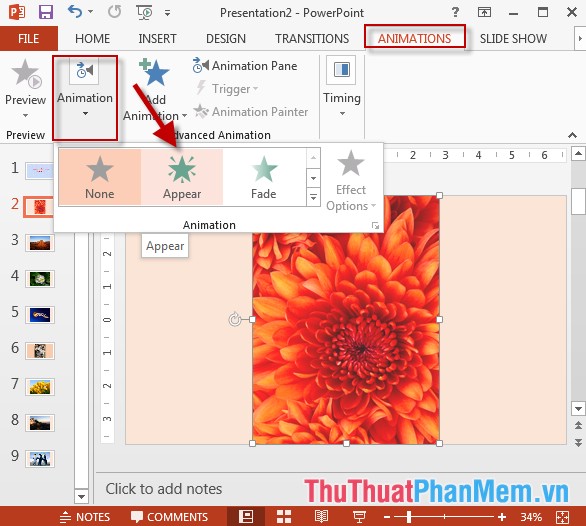
- Finally press F5 to view all the Albums you have created:
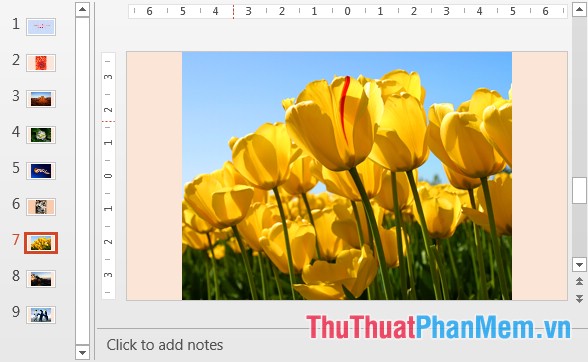
Above is a detailed guide on how to create Photo Albums in PowerPoint.
Good luck!
FAQ
What should I know about Create Photo Album in PowerPoint?
Focus on the key features, requirements, limitations, and practical use cases explained in this guide.
How do I get the best results with Create Photo Album in PowerPoint?
Follow the recommended steps, use current software or information, confirm compatibility, and review settings before major changes.
Are there any risks or limitations?
Potential limitations depend on compatibility, data quality, cost, privacy, support, and how the product or method is used.
Related Articles
 How to Create PowerPoint Photo Album with Effects5 minutes read
 How to Create Photo Albums with PowerPoint3 minutes read
 How to Create and Share iCloud Photo Album on iPhone or iPad3 minutes read
 How to Rename Photo Albums on Facebook: Create Facebook Photo Album4 minutes read
 How to Lock Hidden Photo Albums on iPhone3 minutes read
 3 Applications Create Scrapbooks for Professional Photos You've6 minutes read
Reader Comments 0
Sign in with email or Google to join the discussion.