Table of Contents
This guide explains how to create Hidden Folders on Windows 10, with clear steps, practical tips, and important checks before you begin.
Create invisible folders on Windows 10
Step 1: Anywhere on the Desktop, right-click >> New >> Folder . Or you will have to move the existing folder to the home screen.
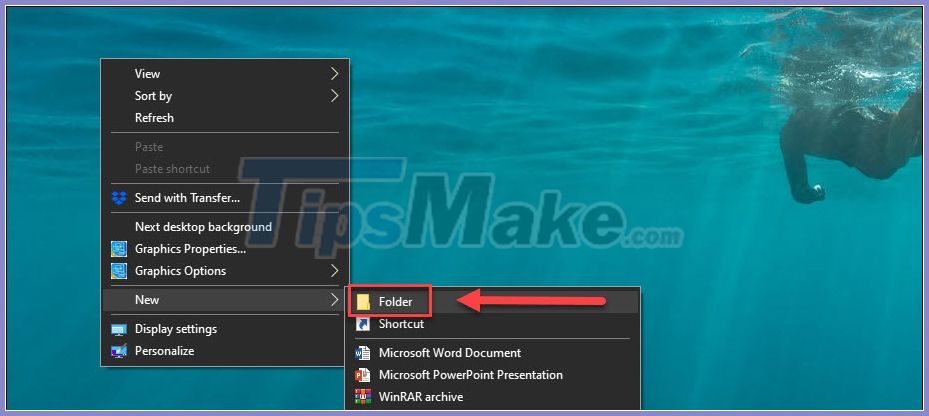
Drag and drop to move the folder to a location only you know it.
Step 2: Once you've put the folder in the "right location", it's time to hide the name of the folder. Right-click on the folder and select Rename .
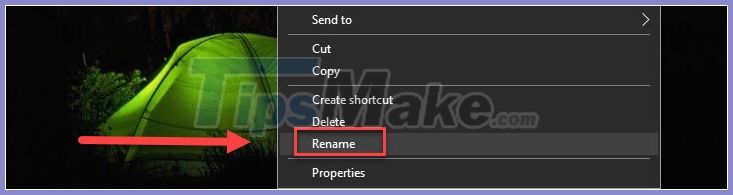
While naming the folder, hold Alt and then enter 255 (using the right-hand numeric keypad, the row of numbers above the keyboard will not work). You should see the name of the folder is gone.

Step 3: The folder can still be seen, now it's time to make it invisible. Right-click the folder, select Properties .

In the Properties window that appears, switch to the Customize tab.
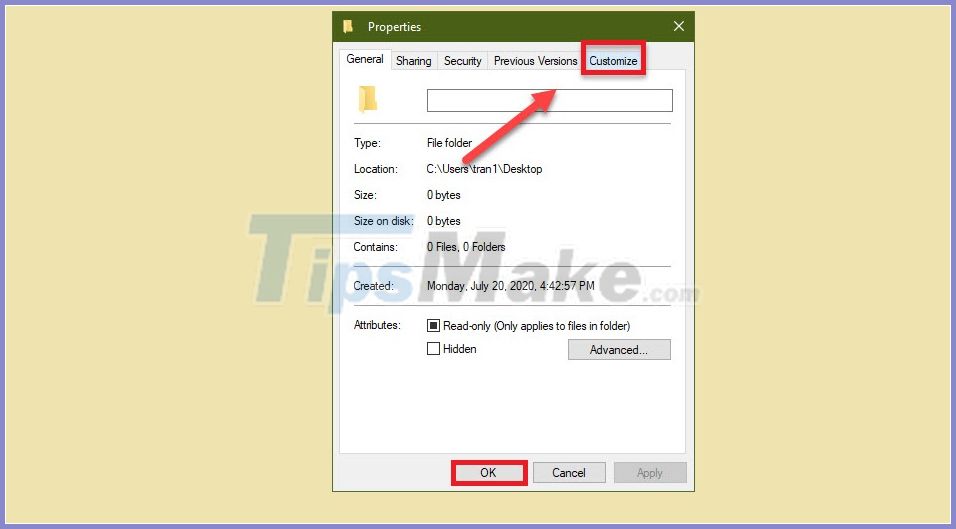
Continue to select Change Icon.

The folder icon is the default, but you can also change it to other icons in the list. Find and select one of the three invisible icons (next to the padlock). Then OK to finish.
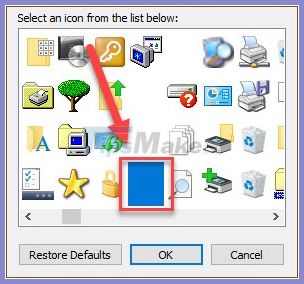
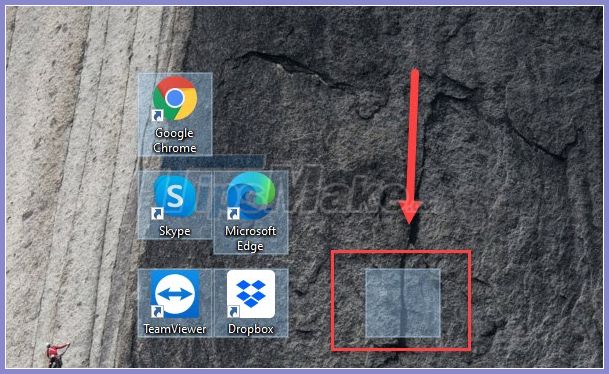
Note: The first time you do it, you may see a folder error turning into a black square instead of an invisible one. You just need to restart the computer, or create another directory to solve this problem.

Basically, this is the trick that makes your directory invisible. You will make it transparent on the main screen of the computer, so that no one will know the existence of this folder and be curious about it. However, if someone accidentally finds the folder, they can still open and view the contents.
So you should perform the wizard Set a password for folders to make security more secure. The guide here is the end, wish you a successful implementation.
FAQ
What should I know about Create Hidden Folders on Windows 10?
Focus on the key features, requirements, limitations, and practical use cases explained in this guide.
How do I get the best results with Create Hidden Folders on Windows 10?
Follow the recommended steps, use current software or information, confirm compatibility, and review settings before major changes.
Are there any risks or limitations?
Potential limitations depend on compatibility, data quality, cost, privacy, support, and how the product or method is used.
Related Articles
 Restore Hidden Folders in Windows When Infected4 minutes read
 How to Show Hidden Files, Hidden Folders in Windows 10, Windows 73 minutes read
 How to Make an Invisible Folder11 minutes read
 How to Show Hidden Files and Folders on Windows 10/8/74 minutes read
 Click: How to Find Hidden Files and Folders in Windows3 minutes read
 How to Show Hidden Files and Folders on a Mac3 minutes read
Reader Comments 0
Sign in with email or Google to join the discussion.