Table of Contents
Overview
This guide explains how to change DNS on your computer to access the internet faster in clear, practical terms. It covers the key concepts, recommended steps, common limitations, and useful checks so you can make a better-informed decision.
Changing DNS is essentially changing the DNS server of the network access area. This helps to optimize your Internet usage, increase network loading speed, or help access blocked websites. So how to change DNS? Let's explore through this article!
What Is DNS? What is the effect of changing DNS?
DNS stands for Domain Name System or also known as DNS server. This can be considered a very important part of the global Internet network system, it allows the establishment of correspondence between IP addresses and domain names.
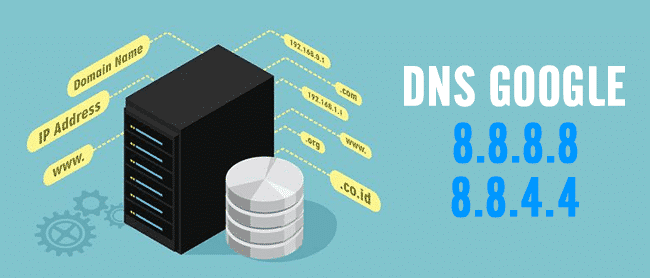
Benefits of changing DNS on your computer:
- Helps speed up web browsing tasks.
- Increase accuracy and reliability.
- Has better security.
What Is the best DNS today?
Currently there are 2 types of DNS that optimize network speed best: Google DNS and Open DNS
Google DNS
- 8.8.8.8
- 8.8.4.4
Open DNS
- 208.67.222.222
- 208.67.220.220
How to change DNS on computer
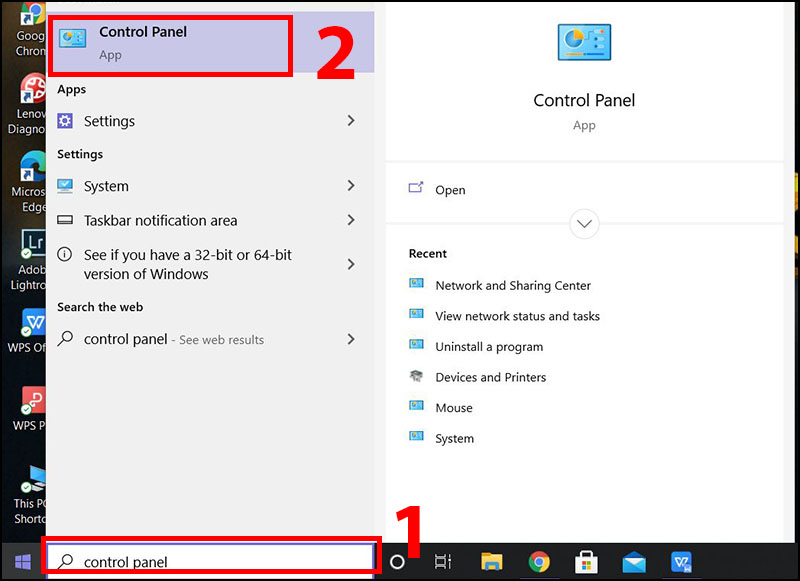
Step 1: From Windows search bar > Type keyword 'control panel' > Select Control Panel.
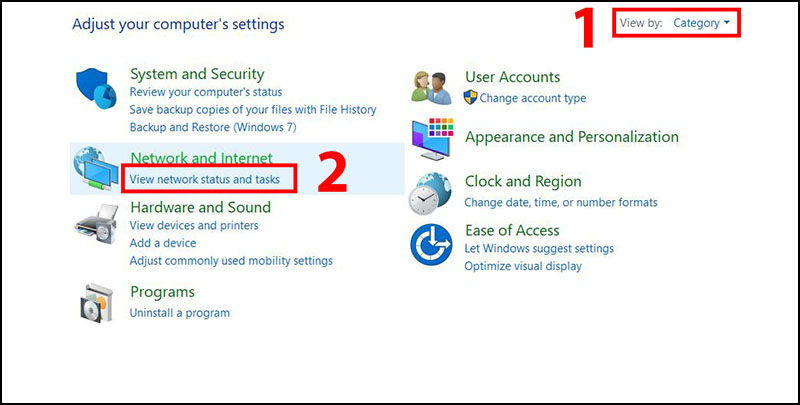
Step 2: The Control Panel window opens, in the View by section > Select Category > Select View network status and tasks.
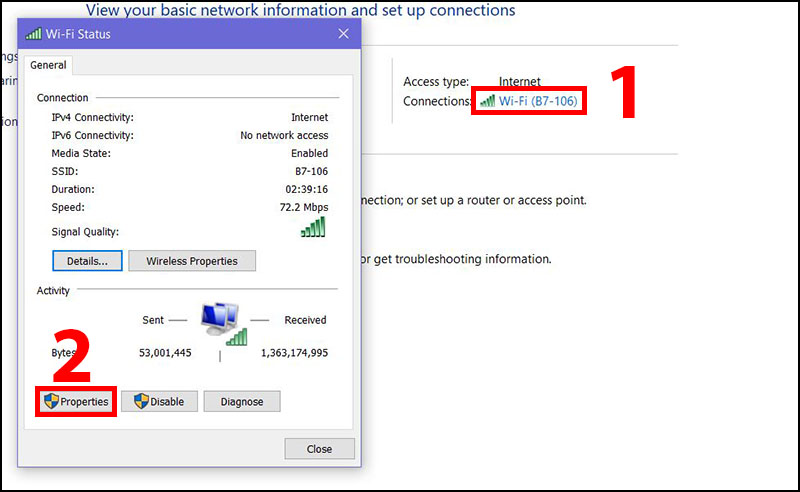
Step 3: Select Wi-Fi in the connections section, the Wi-Fi Status window appears > Select Properties.
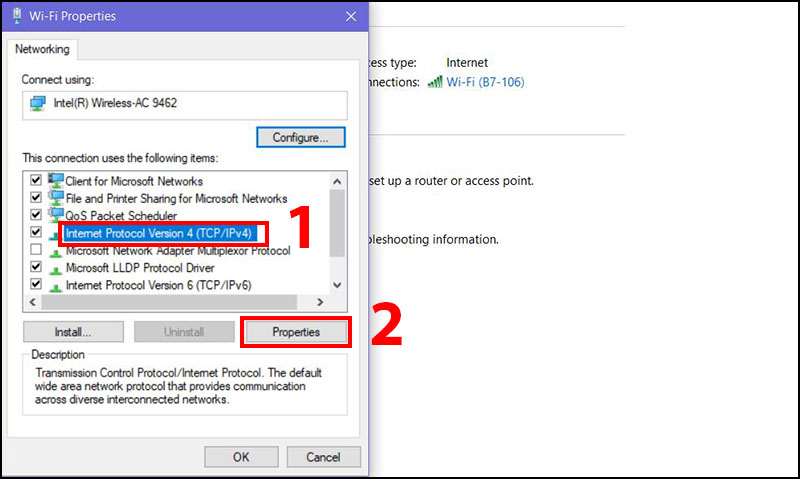
Step 4: Continue to select Internet Protocol Version 4 (TCP/IPv4) > Click Properties.
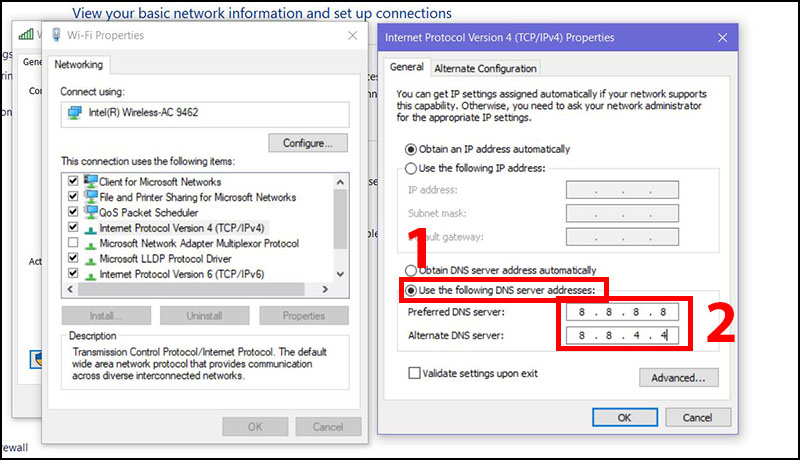
Step 5: Check the box Use the following DNS sever address (if not checked) > Change DNS manually by entering Preferred DNS and Alternate DNS.
Key Takeaways
Use the guidance above as a practical reference for change DNS on your computer to access the. Check compatibility, follow the steps carefully, and verify important details with official documentation when software, security, accounts, health, or purchases are involved.
FAQ
How do I change DNS on my computer to access the internet faster?
Follow the steps in this guide in order, confirm each setting before continuing, and save, restart, or reconnect the device when the instructions require it.
What should I check before I begin?
Confirm the correct device, account access, software version, compatibility, and a current backup whenever the process could affect files, settings, or security.
What should I do if the process does not work?
Repeat the steps carefully, check for model or version differences, install available updates, and consult the manufacturer's official support documentation.
Related Articles
 How to Change DNS to Surf Faster, Speed up Internet17 minutes read
 DNS VNPT — Change DNS VNPT for Faster Network Access2 minutes read
 How to Change DNS Freenom World on Windows3 minutes read
 Change DNS 1.1.1.1 on Computer5 minutes read
 Does Setting DNS on Router or Computer Give Faster Internet Speed?14 minutes read
 How to Change Dns10 minutes read
Reader Comments 0
Sign in with email or Google to join the discussion.